California may be the home of film, but these days most of them are shot elsewhere. Toronto is fobbed off as Los Angeles, Vancouver stands in for San Francisco. Atlanta passes for Sacramento.
Ah, but once there was a California town — mountainous and craggy, sandy and tumbleweed-strewn — that stood in for hundreds of far-flung locales on the silver screen.
Need a place that can look like the Khyber Pass in Afghanistan ("Charge of the Light Brigade," 1936) or maybe the vastness of the Himalayas ("Gunga Din," 1939)? Go to Lone Pine, Calif., the cinematic little town near Death Valley and Sequoia National Parks.
Looking for a location that could pass for the Gaza Strip ("Samson & Delilah," 1949) or Baghdad ("Bagdad," 1949) or Bangladesh ("The Lives of a Bengal Lancer," 1935)? Head to the Alabama Hills and Owens Valley; Lone Pine is nestled near both.
For a town boasting a higher elevation (3,727 feet) than population (2,035) on the southernmost tip of the eastern Sierra, with the Los Angeles basin to the south and Death Valley to the east, Lone Pine holds a special place in Hollywood lore as the go-to destination for movie moguls seeking exotic-looking locales without breaking the studio's budget. Many westerns were filmed there, too.
Reel upon reel of atmospheric pan shots were taken against the backdrop of jutting rocks and windy passes and endless chaparral-studded meadows. You could run the opening credits of a Hopalong Cassidy western over a pan of the Sierra Nevada range while playing the ballad "The Hills of Old Wyoming," and no one would be the wiser.
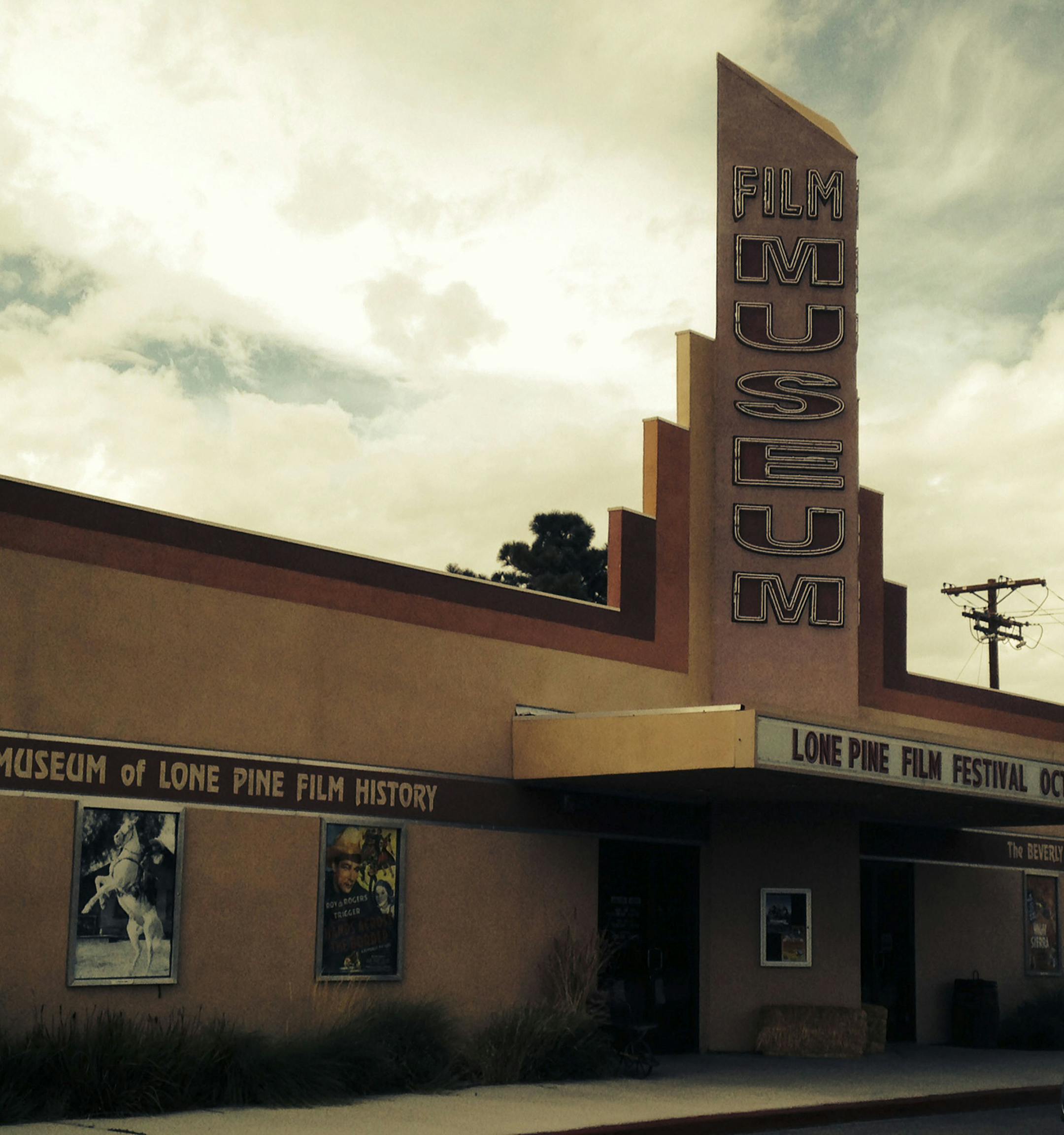
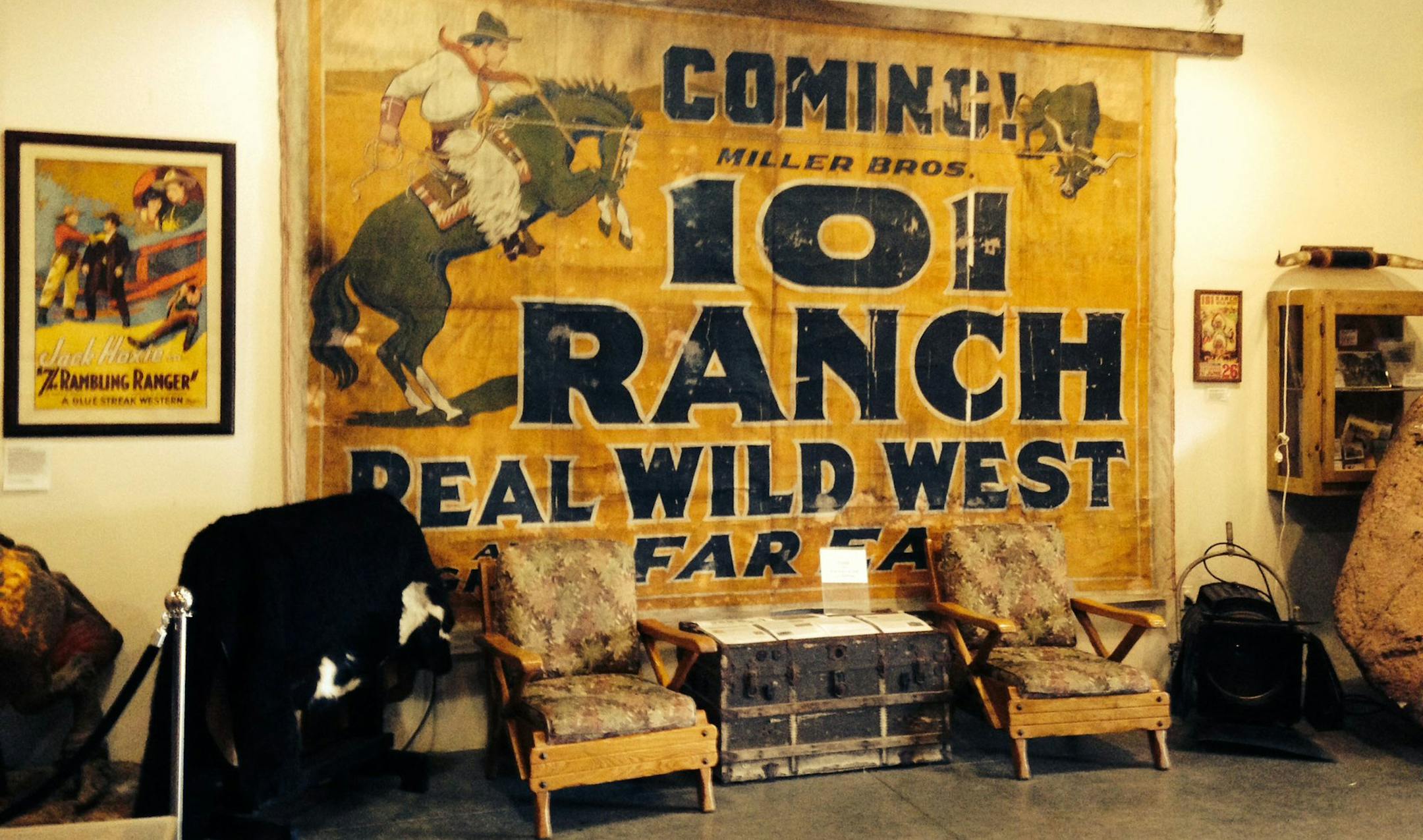
Those days are mostly gone now, preserved in film clips and assorted memorabilia at the Lone Pine Film History Museum.
The museum is worth a stop for anyone who remembers "The Lone Ranger" or Gene Autry ("The Singin' Cowboy"). It also might fascinate young-uns after they discover that parts of "Django Unchained," "Iron Man," "Gladiator" and "Tremors" were shot nearby.