

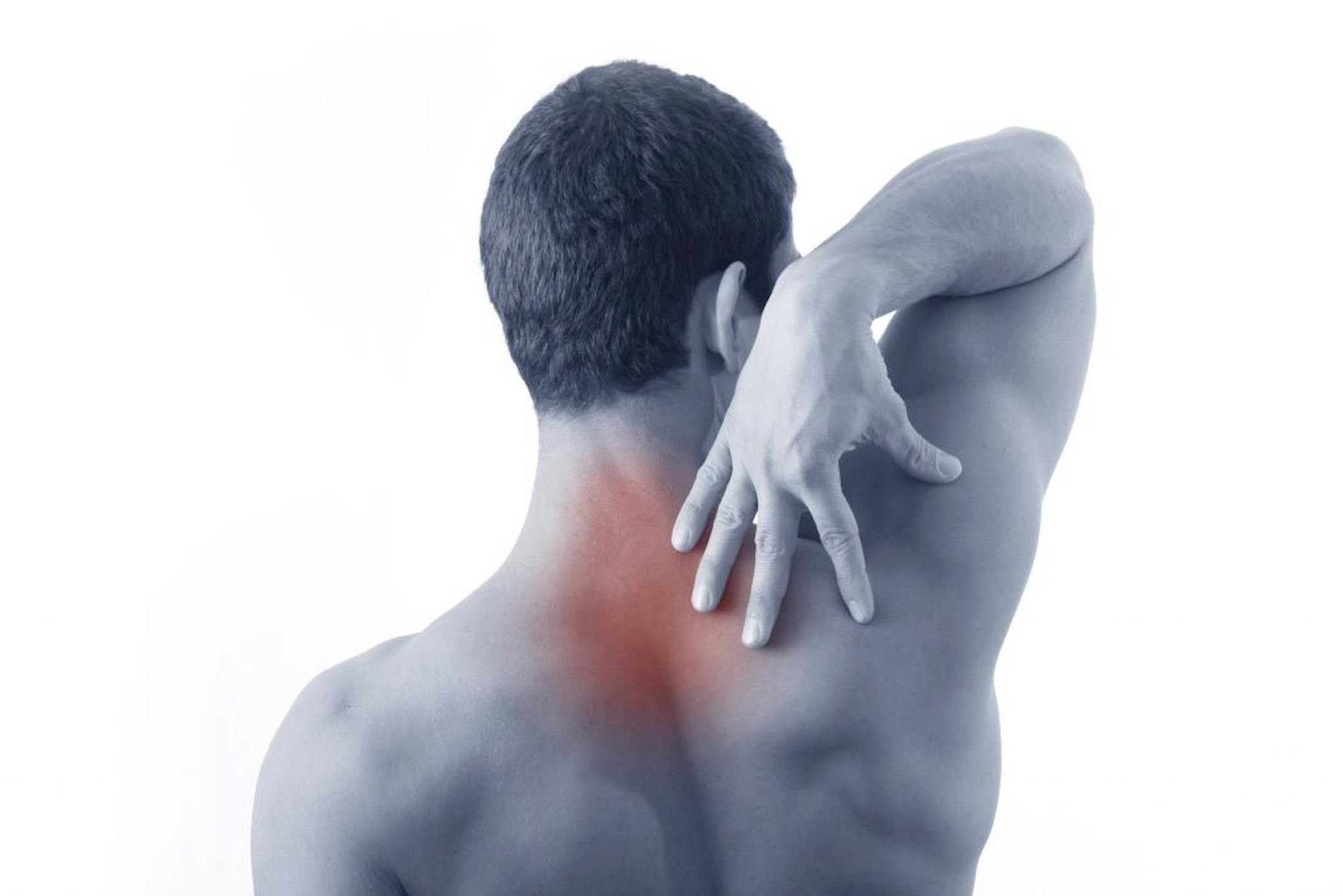
Post-workout euphoria can leave you feeling pumped to conquer the world -- until the next morning, when you can barely walk to the bathroom or lift an arm to brush your teeth.
Such are the painful rewards of delayed onset muscle soreness (DOMS), a result of microscopic tears to muscle fibers that occur when you run faster, lunge deeper, crunch harder or lift more than usual. The damage ignites an inflammatory response as the muscle repairs itself, causing pain that peaks 24 to 48 hours after the activity and dissipates in five to seven days, said Carol Torgan, a health consultant and fellow with the American College of Sports Medicine.
Contrary to popular belief, next-day soreness is not caused by a buildup of lactic acid, a normal byproduct of muscle metabolism responsible for the burn you feel during exercise, Torgan said. Lactic acid quickly leaves your muscles afterward, she said.
DOMS is most common after a new activity or exercises involving "eccentric muscle contractions," which is when the muscle lengthens as it contracts, such as when you lower the weight in bicep curls or run downhill, Torgan said.
Next-day soreness is usually a good thing. The tear-and-repair process forces the muscle to adapt, so that the next time you do the same exercise there's less damage, less soreness and less recovery time -- basically, you're stronger.
"If you don't get muscle damage, you don't get muscle growth," said Dr. Gabe Mirkin, a retired physician who runs a health news website (www.drmirkin.com). "If you want to grow and gain strength, you have to get sore."
Here's how to handle DOMS:
Dial back exertion. When muscles are sore, they leak proteins from their cells into the bloodstream and can't generate their usual force, Mirkin said. So you have to put far less pressure on sore muscles, or you risk injuring them and delaying recovery.


