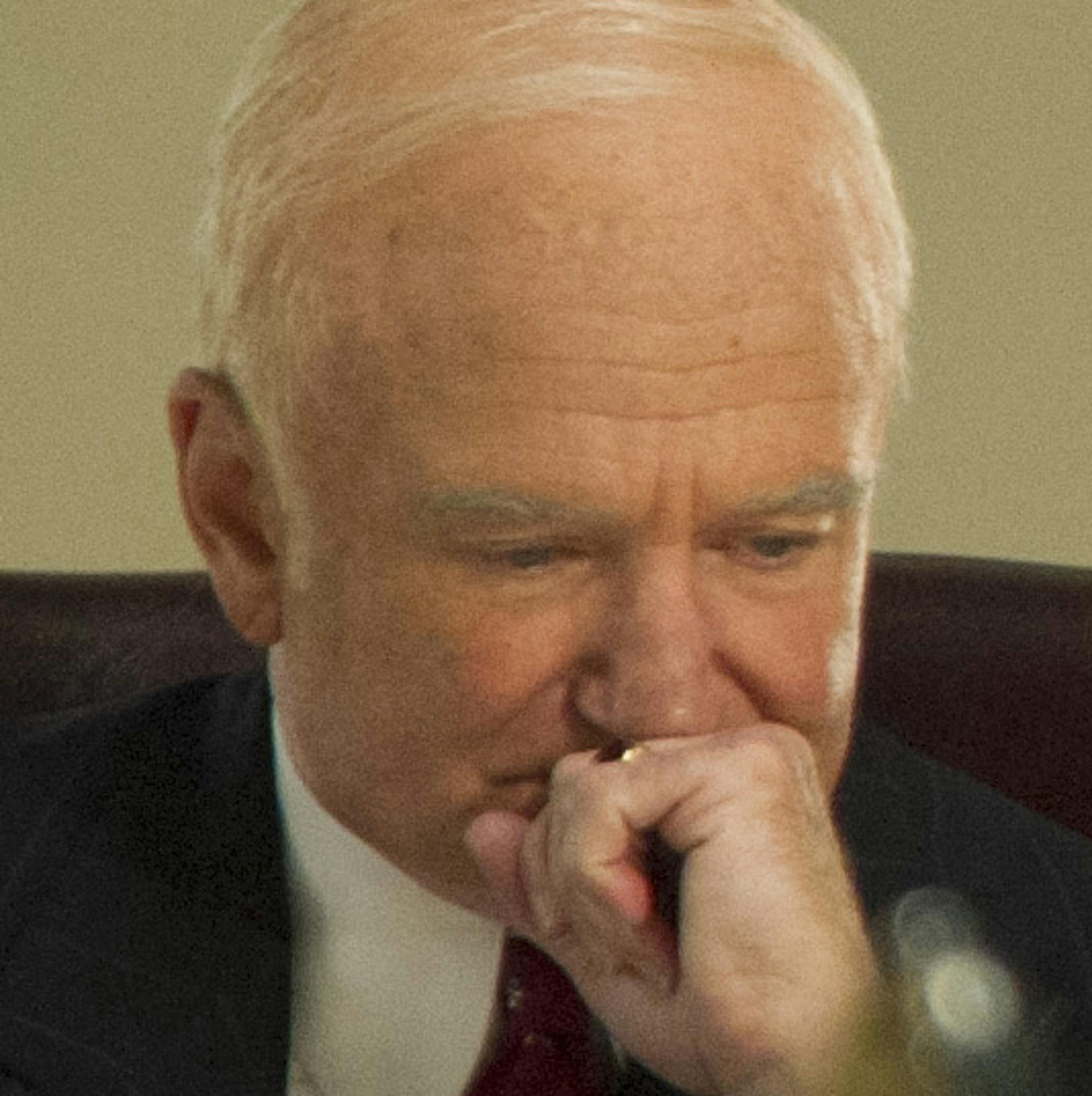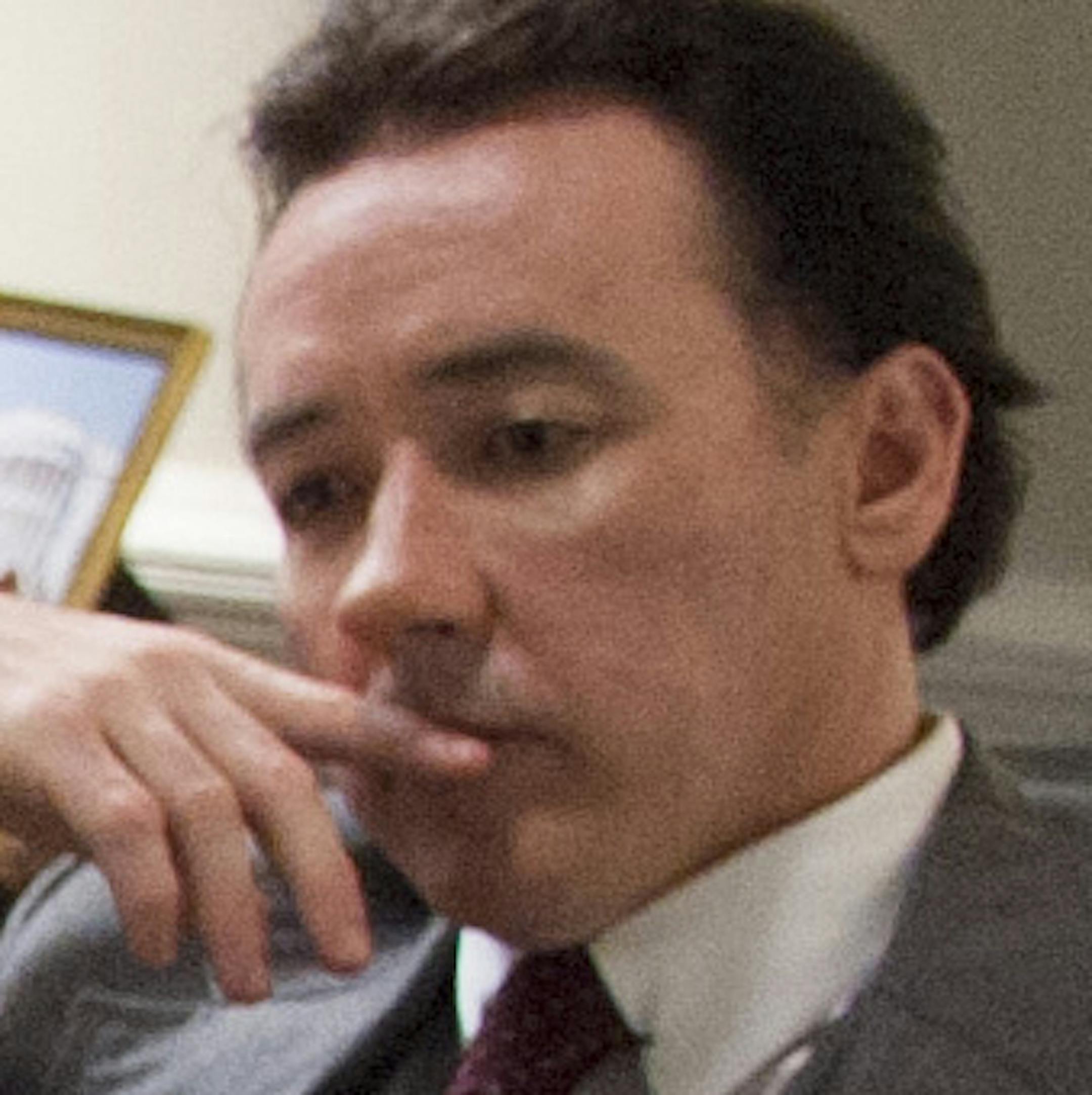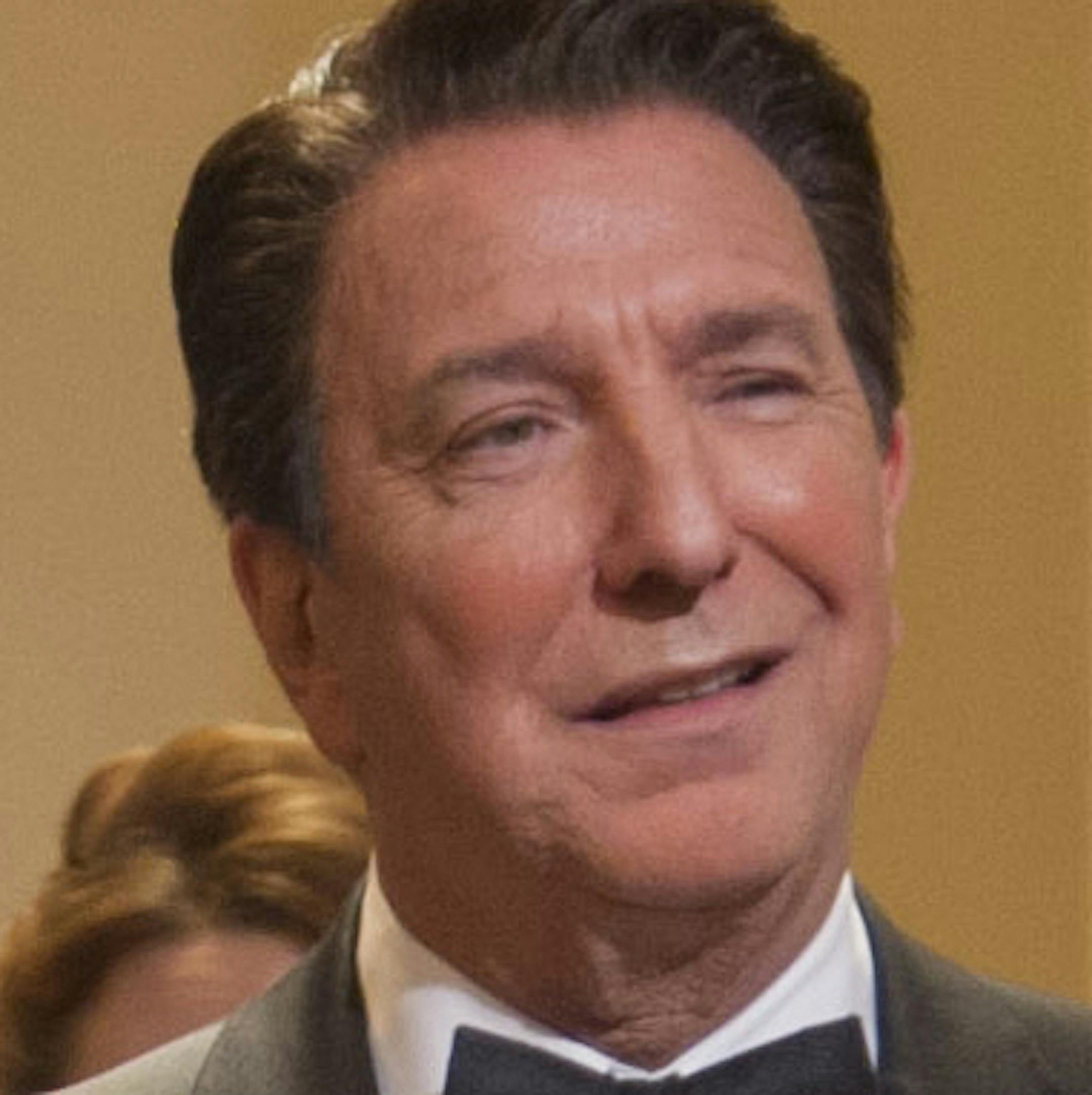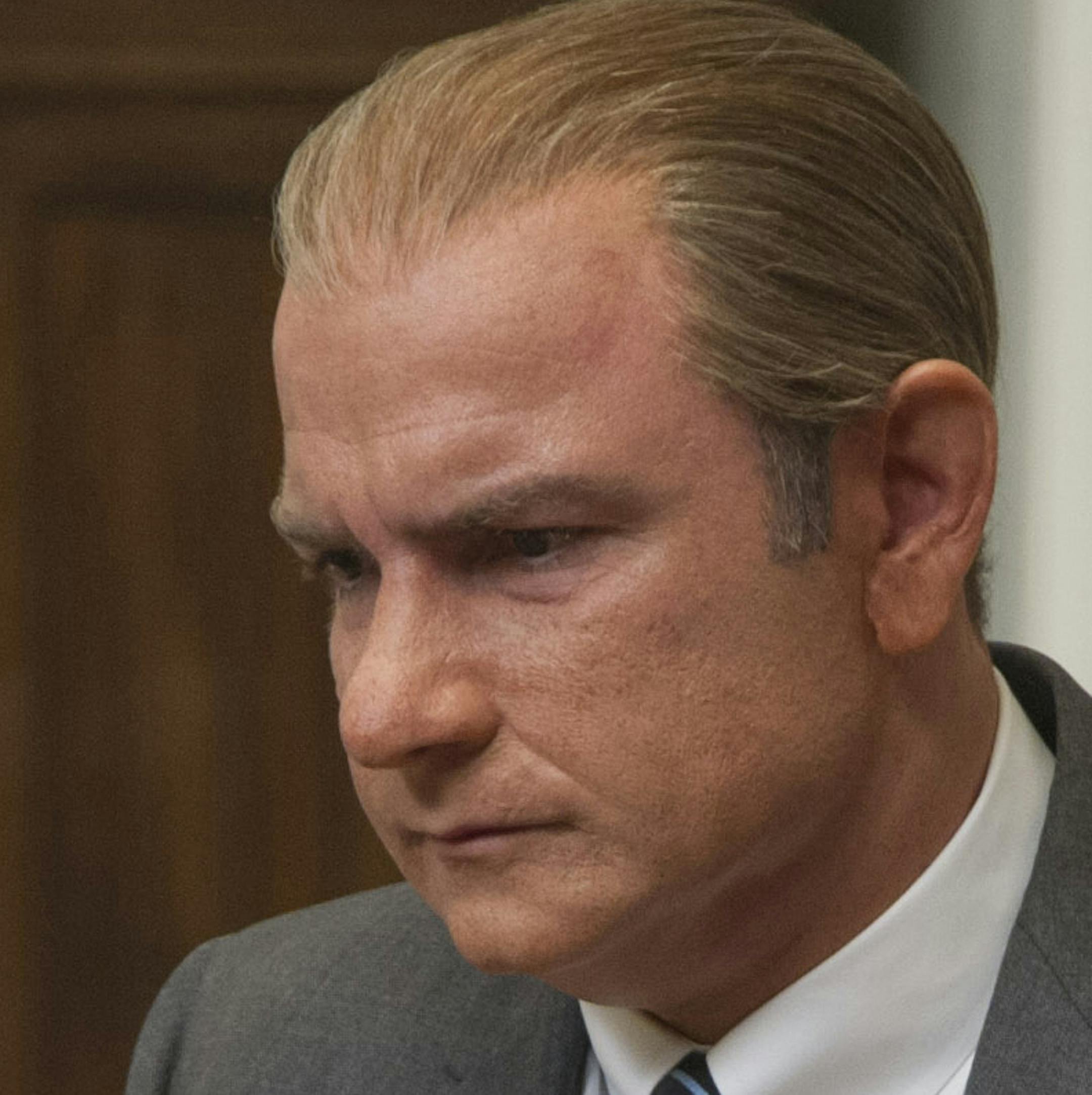
"Lee Daniels' The Butler" is ham-fisted, overreaching, melodramatic and, despite its flaws, worth the ride. For what it lacks in subtlety, it compensates for with touching revelations about how generational differences in attitude divided black parents and children during the civil rights movement. A revolving door of Hollywood heavyweights helps out, too.
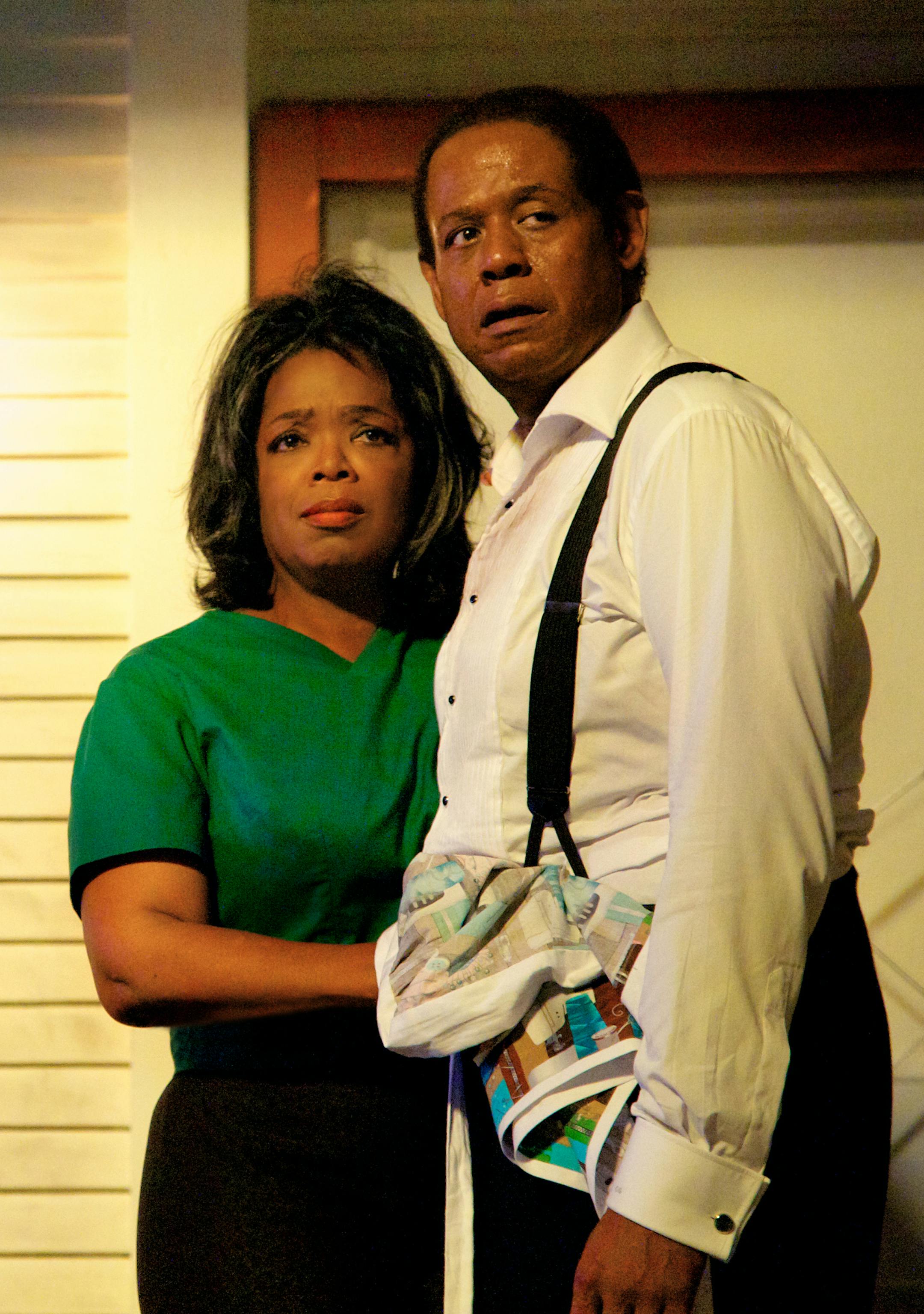
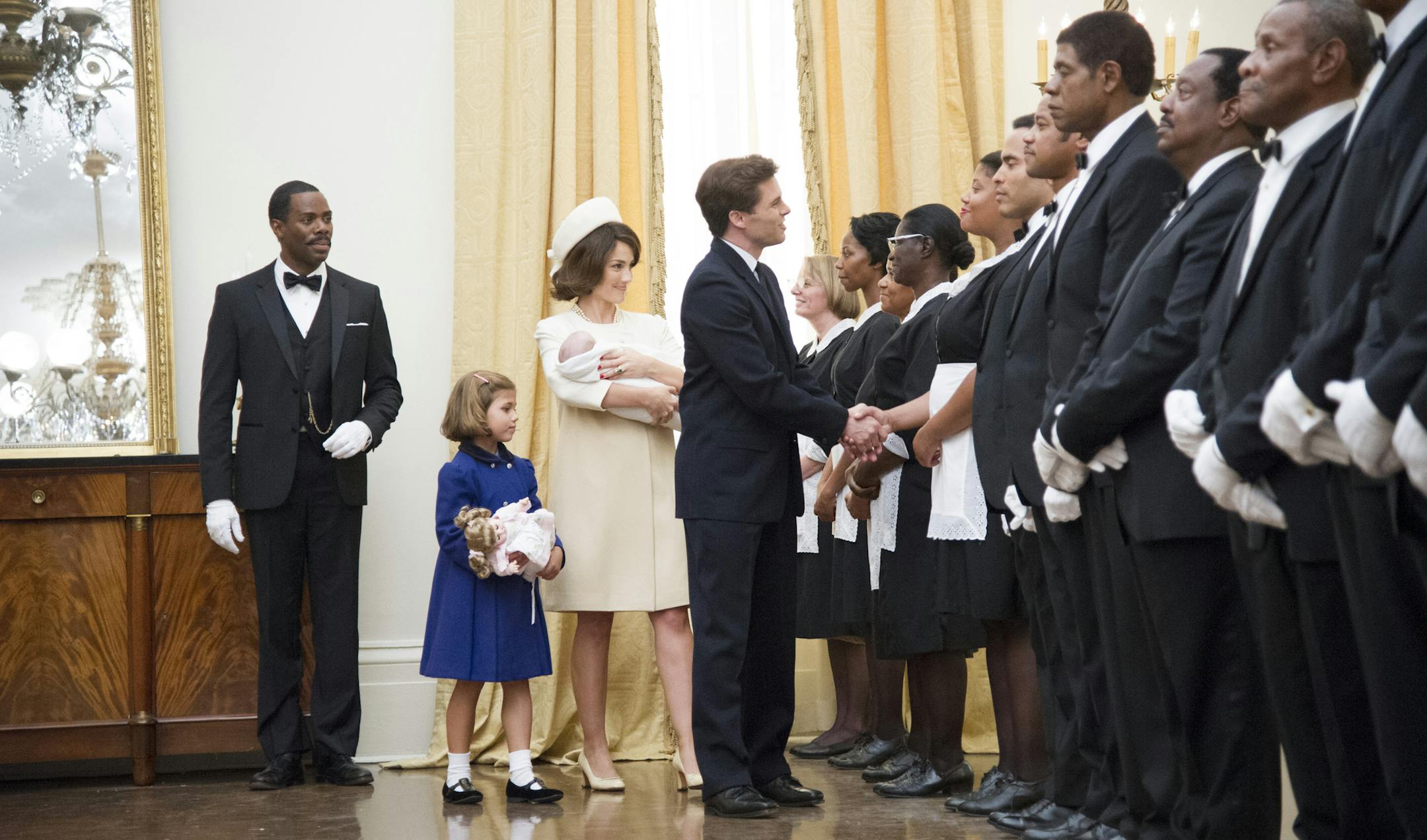
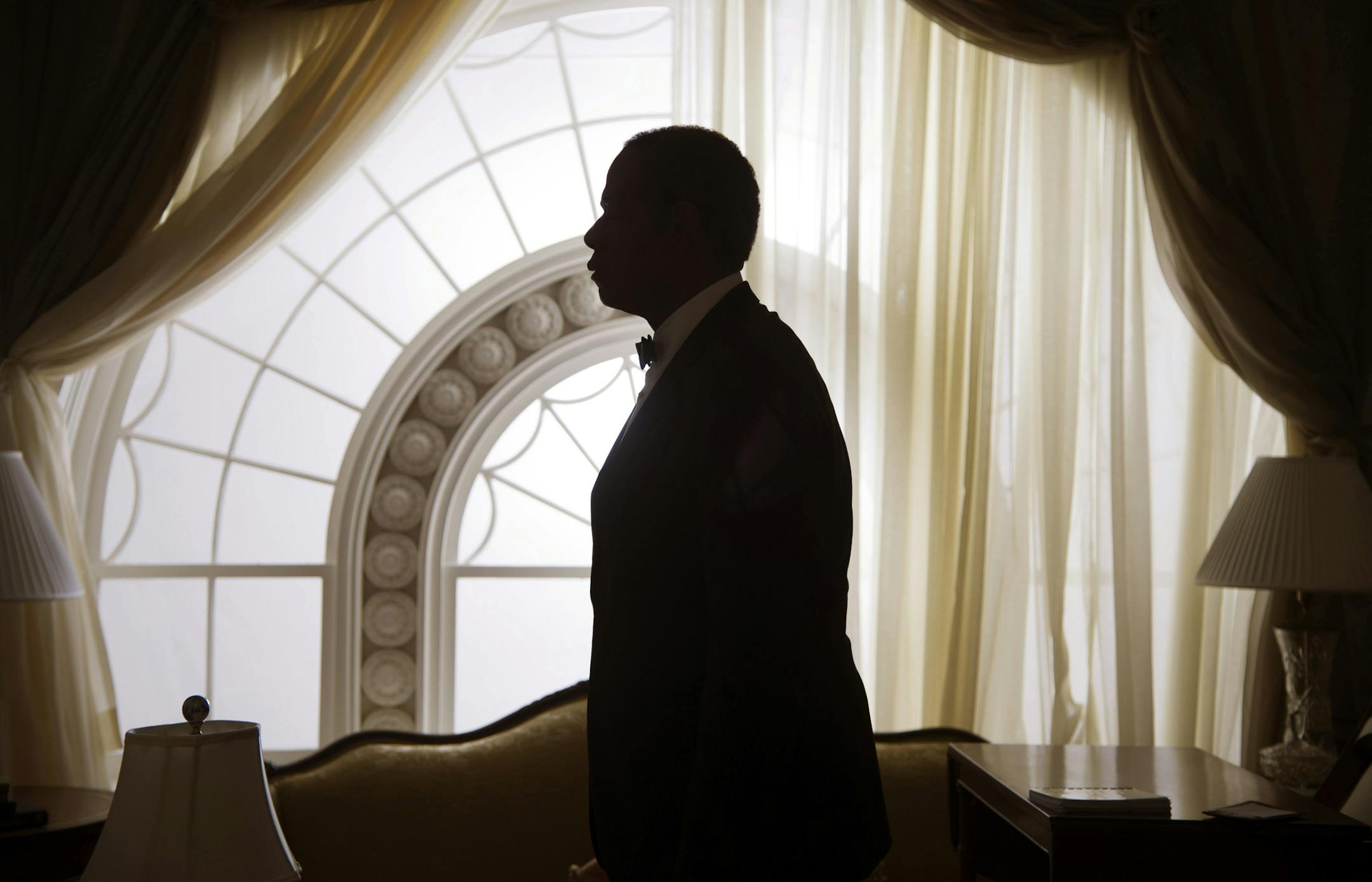
Inspired by the real-life story of a longtime White House butler, the movie stars Oscar winner Forest Whitaker as Cecil Gaines, a black man who escaped cotton fields to become a houseboy, then hotel waiter and finally a member of the White House staff. He lives a peaceful middle-class life with his wife, Gloria (Oprah Winfrey), and two sons, until the older one, Louis (David Oyelowo), becomes a Freedom Rider, getting beat up at whites-only lunch counters, traveling with the Rev. Martin Luther King and eventually joining the Black Panthers.
It's the age-old dichotomy of patient maturity vs. impetuous youth, played out against a backdrop of very real injustice. Cecil repeatedly asks, with quiet dignity, for raises that will put the black staff on a par with white, and is always rebuffed. Louis gets angry when he sees his father drink from a "coloreds only" water fountain and sneers at Sidney Poitier, whom he sees as an Uncle Tom.
This is a sweeping epic that, for a change, portrays more than 50 tumultuous years of the 20th century from the points of view of African-Americans. For that reason alone, it packs much more punch than the last big slice of Oscar bait we saw on the subject, 2011's mawkish "The Help," made for a similar budget of about $25 million.
Director Lee Daniels, who rose to fame with the 2009 Oscar-winning drama "Precious," doesn't appear worried about whether he's chopped off too wide a slab of history. Rather, he seems to say: "Maybe I did — so what? Look, here comes Cuba Gooding Jr. with a James Brown wig on."
Never one to shy away from showmanship, Daniels lightens what could have been unrelentingly heavy slog with amusing touches such as using fashion to signal era — here's Gloria and Cecil in matching '70s jumpsuits, and whoops, in no time, there they are in '80s track suits.
(By the way, it's not Daniels' ego that put his name rather awkwardly out front on the title. The Weinstein Co. lost a court fight to Warner Brothers, whose own film "The Butler" came out way back in 1916.)
Most of the film's problems lie in the storytelling. So much exposition is crammed into the dialogue, it's amazing the actors can spit out all the words without rolling their eyes. Scene transitions feel like clicking through an old-fashioned View-Master, abruptly moving from one 3-D slide to the next.