

It seems quaint now, but there was a time, say 50 years ago, when the idea that people of different races would listen and dance to the same music was cause for consternation, even rioting. America's segregation was enforced by violence, and attempts to bridge those divides provoked fatal reactions.
Motown, the record label founded by entrepreneur Berry Gordy, helped changed that.
Gordy cultivated and packaged elegant, well-choreographed stars such as the Supremes, the Temptations, Marvin Gaye, Stevie Wonder and the Four Tops, whose chart-topping music "crossed over" and helped shatter the shibboleths of segregation.
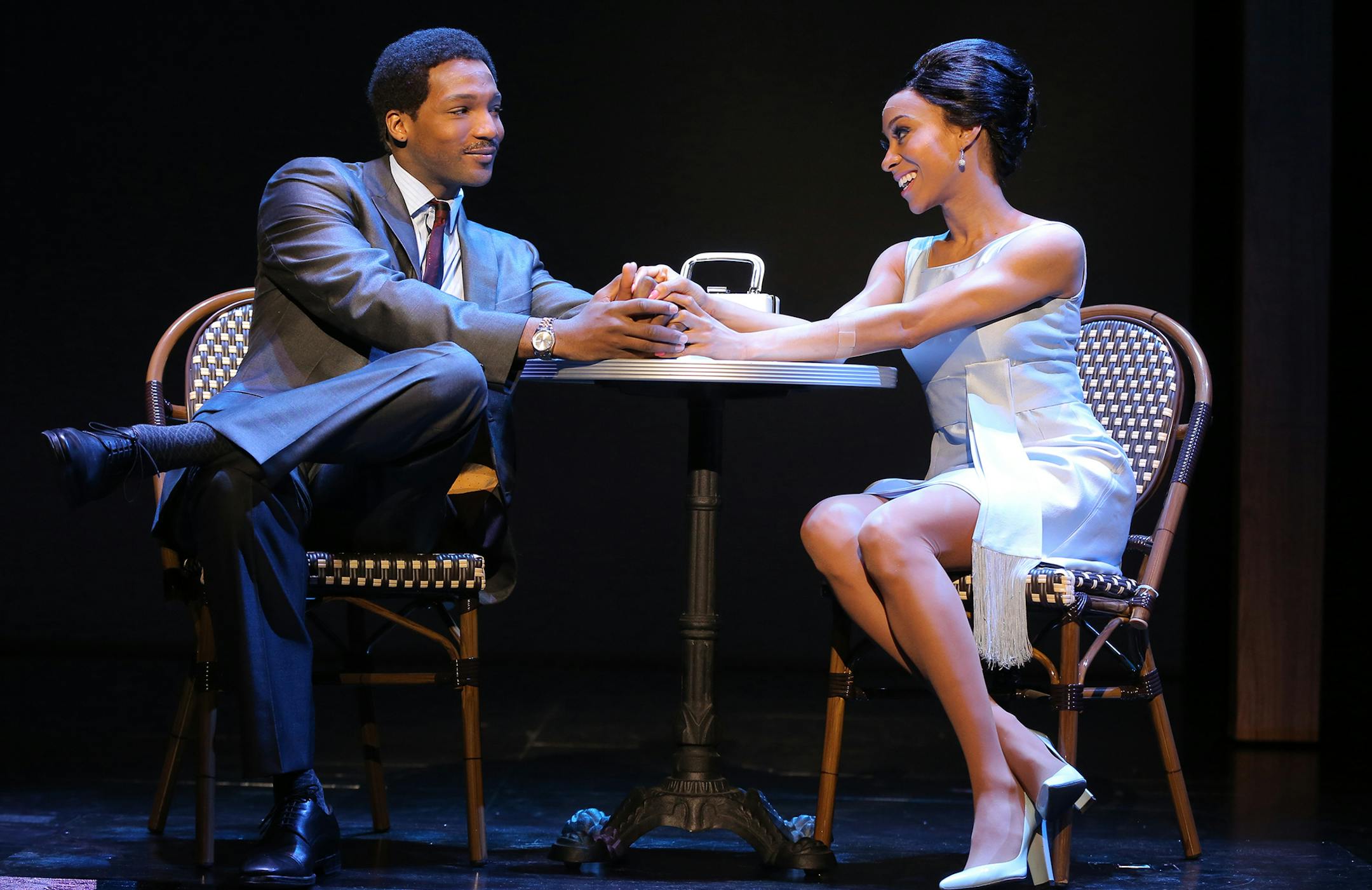
"Motown: The Musical," which opens Tuesday at the Orpheum Theatre, celebrates the label and the role it played in American society. The production, which includes parts of more than 40 songs, orbits the life of Gordy and stars such as Diana Ross and Smokey Robinson. It is the latest hit for mega-producer Kevin McCollum, who also backed "Rent," "Avenue Q" and "In the Heights."
"What ties all these shows together is that they're about something big and redemptive," said McCollum, who was president of St. Paul's Ordway Center from 1995 to 2002. "The stakes are really high, especially for 'Motown,' which really is about somebody who is funny and hard-driving in person but is epic and larger than life.
"Brian Epstein is considered a genius for finding and managing the Beatles," he continued. "What does that make Berry Gordy, who gave us Diana Ross and the Supremes, Smokey Robinson and the Miracles, the Temptations, Marvin Gaye, the Jackson 5, Stevie Wonder and on and on?"
Motown provided a soulful, harmonic soundtrack to America's quest for fairness and redemption even as the Rev. Martin Luther King Jr., Fannie Lou Hamer and other civil rights leaders led weary marchers for justice.
"Think about it," said director Charles Randolph-Wright, who grew up in South Carolina in the '60s and '70s and witnessed Motown's impact firsthand. "At that time there were riots over busing, over people trying to maintain their traditions and privileges. But a Motown song would come on and we were all dancing and singing together. No matter that in those days white people clapped on one and three, but still."


