

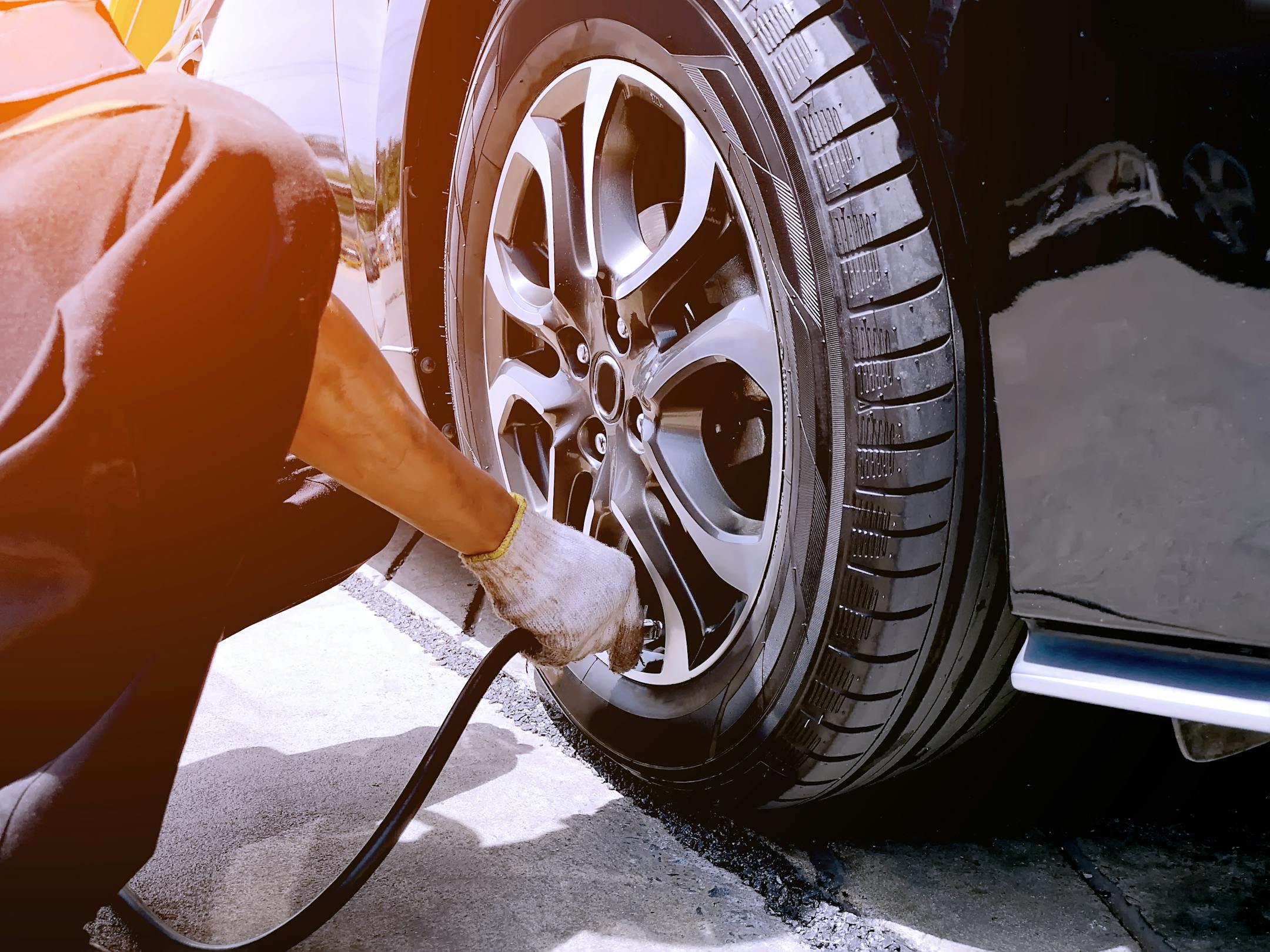
Q: It seems to me that unless a vehicle will be used only in populated areas, a spare tire is absolutely essential. I’ve done a lot of long-distance driving, and one memorable flat came after damage on a logging road in Wyoming mountains ruined a tire. Even on interstates you can be miles from service — and what if it’s after hours?
A: Spare tires increase the weight of the vehicle, and weight reduces fuel economy. The tires also take up space and increase cost. Consider this from the carmaker’s perspective. Depending on the vehicle, you can buy a spare tire.
Camera problems
Q: My Camry’s backup camera does not work if it’s raining or snowy. It comes up disabled. I had an Avalon previously, and that camera worked no matter what the weather. Will Toyota ever have new software to rectify this?
A: New software isn’t the answer. Try checking the wire or connection to see if it’s loose. If not, corrosion caused by water seeping into the wire or its connection with the camera likely is the problem.
Helpful features
Q: I love my 2014 Accord, but two things annoy me: the push-button start and low-profile tires. What is advantageous about these things?
A: Push-button start is convenient. You don’t have to hunt for the key slot. But security is the main reason. It makes theft much harder. Low-profile tires improve handling, but often at the expense of a softer ride. You are free to choose regular tires.
Alignments are important
Q: I was told my 2024 Chevy Malibu needs a rear-wheel alignment. It has 32,000 miles on the original factory tires, and I figure I’ll replace them soon. Am I risking damaging anything by delaying the $100+ alignment service until then? I drive more than 1,500 miles monthly, including 20+ miles each way to work.
A: You are risking fuel economy, safety, tire life and perhaps some repairs. Out-of-line wheels tend to drag somewhat, robbing fuel economy, which also affects the tires’ life. With the wheels in line with one another, the vehicle is easier to control and maintain a straight line down the road. You can drive the vehicle until you get new tires, but get the alignment when you do.


