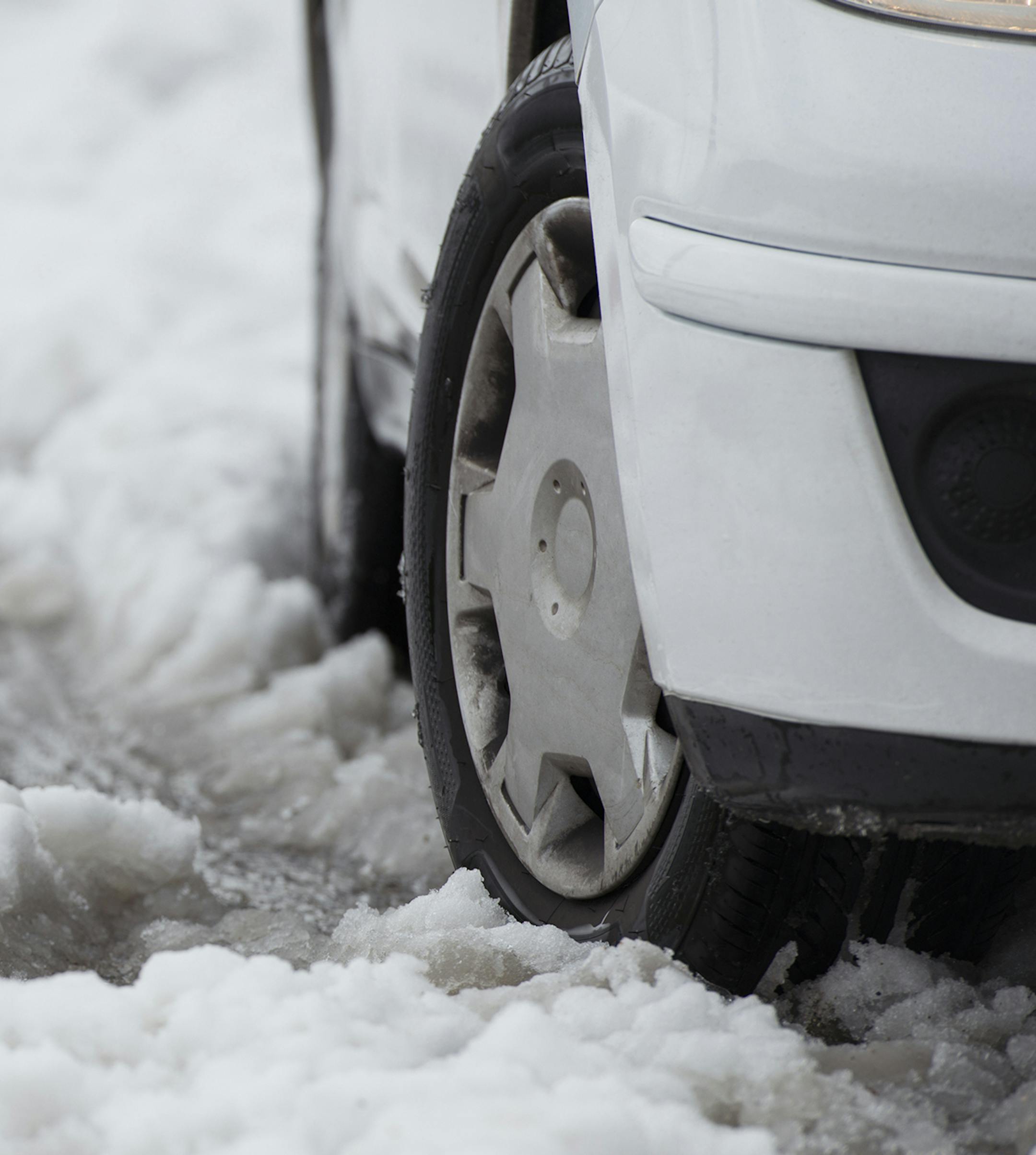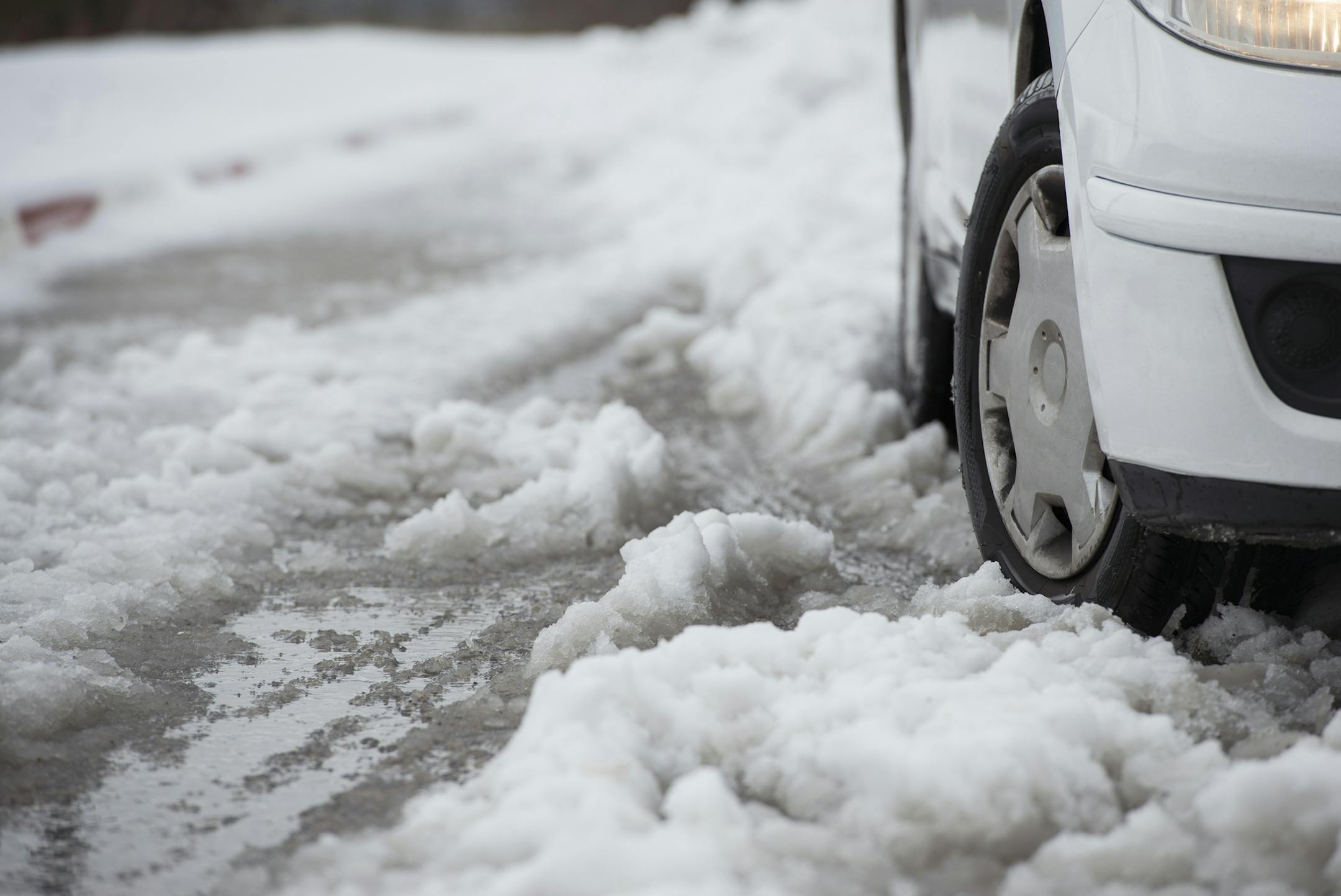
Q: The tires on my 2007 Highlander have gone flat or at least lost enough air to set off the dashboard warning six times in the past four years. When I take the car in, the tire shop says the tires are fine but there's corrosion on the wheel. This happens only in colder weather.
The front tires were replaced seven years ago and have 45,000 miles on them. The rear tires were replaced five years ago and have 31,000 miles. This started happening when the tires were only two and four years old, respectively. I wonder if you have any insight.
A: It's not the cold that's causing the problem. At least, not directly. It's the salt that's put on the roads to clear them of snow and ice. The salt is causing corrosion along the wheels' rims, which is allowing air to escape.
For whatever consolation it might be, you're not alone in dealing with this. In fact, it has become a widespread problem, particularly with alloy wheels. Buffing off the corrosion and applying a tire mounting compound are a couple of solutions short of replacing the wheels.
A haunted fan?
Q: I have a 2016 Toyota Highlander (Limited Edition). A fan that seems to be under the back seats often comes on hours after the car has been parked. The only way I can turn it off is by starting the car and immediately turning it off again. The dealer says it's normal, but I'm worried that it's a problem that needs fixing. Any thoughts?
A: It's not a problem. It's designed to do that.
About five hours after you park the vehicle, the evaporative emissions system performs a self-check for leaks. What you hear is a pump that pressurizes the system, which is then monitored for a pressure drop, which would indicate a leak. The five-hour delay is so the check won't be performed multiple times a day after every trip.
As you have discovered, the test is interrupted by switching on the ignition (removing the gas cap also does it), but I advise against that and suggest allowing the test to complete.