

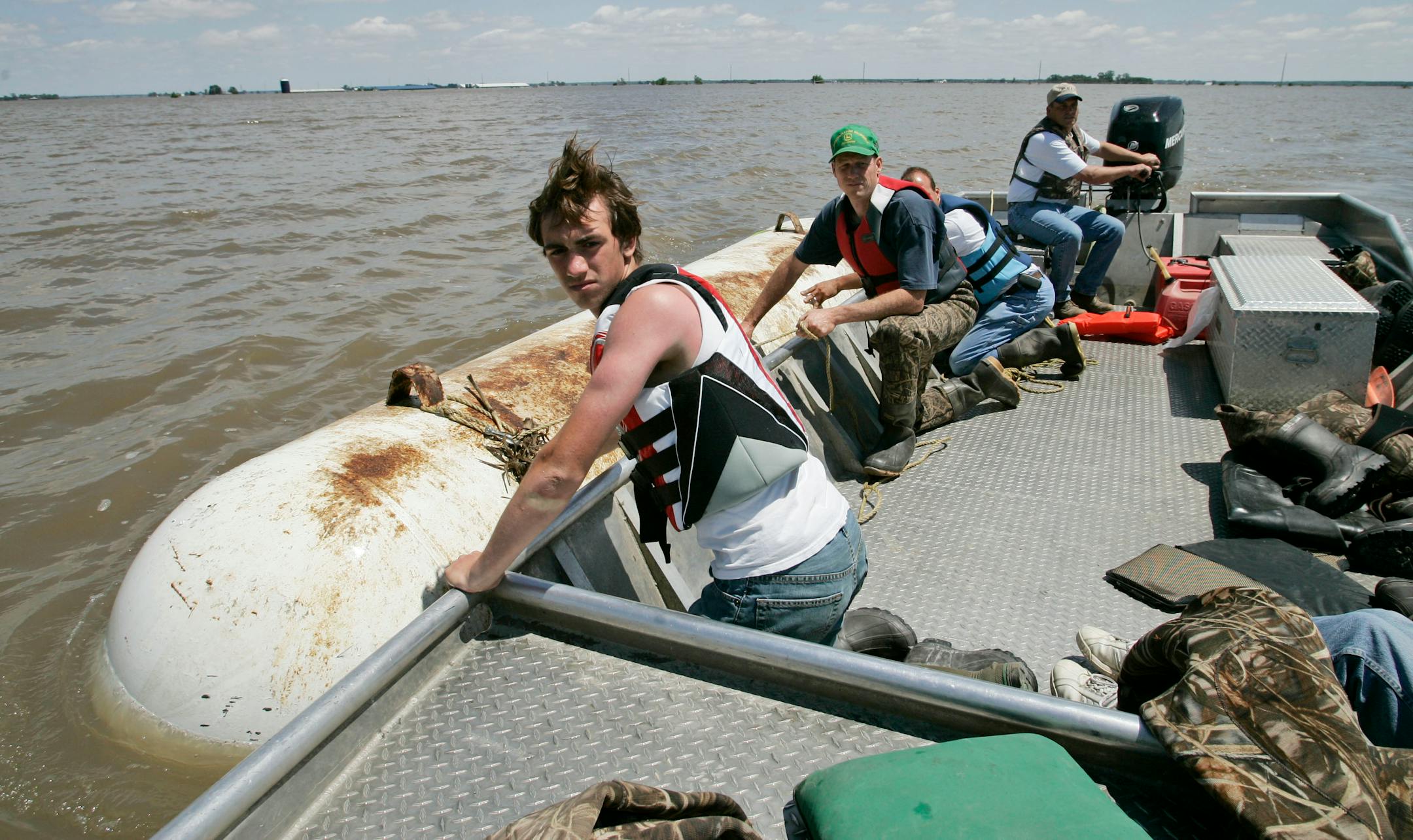
The heavy rains and storms that have devastated much of the Midwest may have one unlikely beneficiary: Minnesota corn farmers.
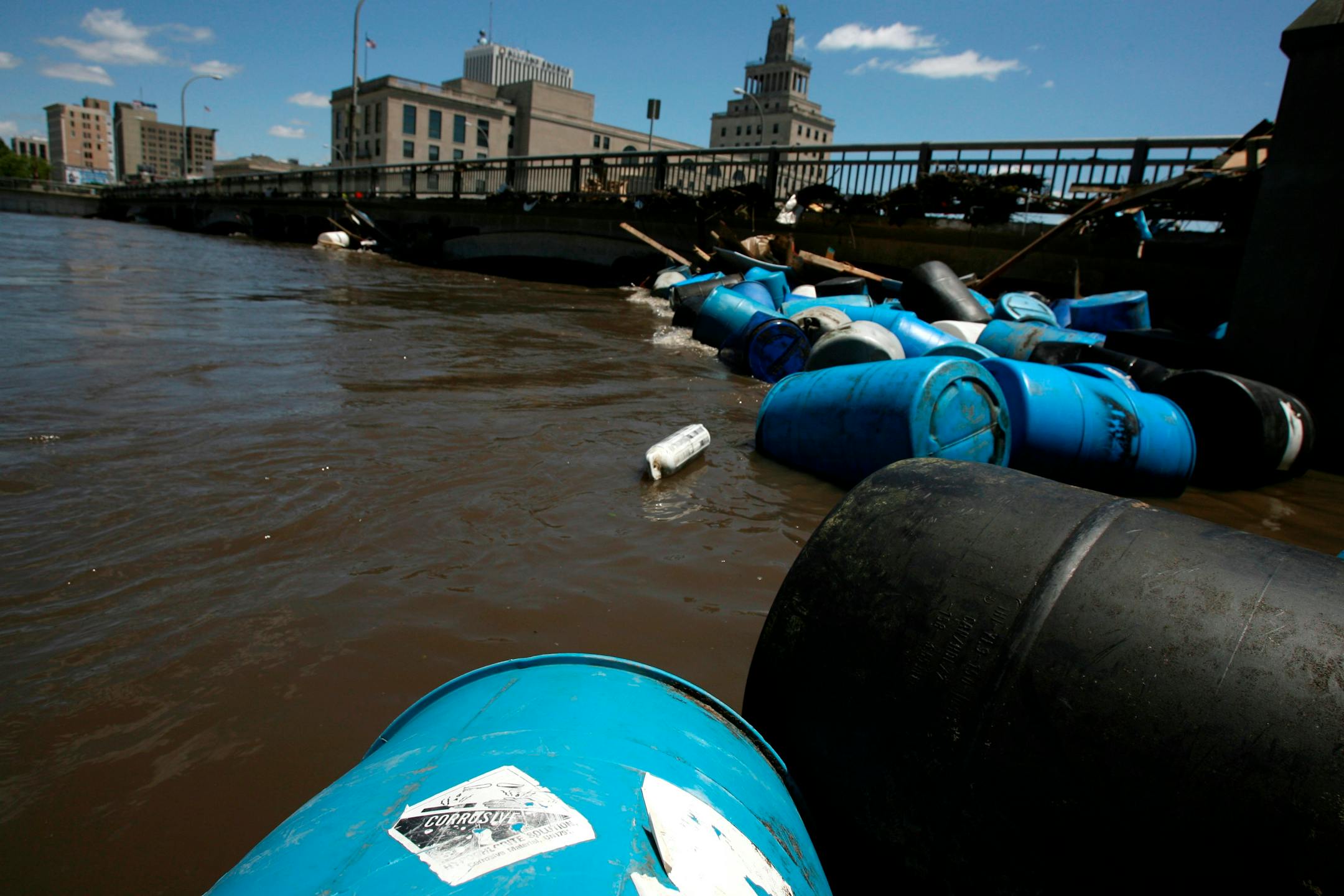
In pockets of Iowa, Indiana and Illinois, monsoon-like rains have washed out newly planted fields and delayed the planting of millions of acres. But the devastation has also pushed corn to its highest price ever -- and that's been unmitigated good news for farmers in Minnesota, which has thus far largely escaped the crop damage to the south.
Corn futures for December delivery hit $7.915 a bushel in Monday trading on the Chicago Board of Trade, nearly double the price of a year ago.
The high prices -- driven by flooding, surging exports and increased demand for corn from ethanol producers -- has farmers raking in record revenue for all kinds of crops, including soybeans and wheat. For the time being, their windfall has overshadowed the plight of hog and poultry producers, many of whom are losing money because soaring corn prices are pushing up the cost of feed.
"I don't hear a lot of grumbling from farmers like I have in the past," Minnesota Agriculture Commissioner Gene Hugoson said in an interview Monday. "With these higher prices, they're optimistic they can pay down some debt and purchase new equipment. ... It's really changed their outlook."
But a lot could happen between now and harvest time that might turn this fortune around. The high price of corn has already compelled some large ethanol producers to scale back expansion plans, and livestock and hog producers likely will cull the size of their herds if feed prices remain high, agriculture analysts said. And while reports of flooded Midwest cornfields has fueled trading in crop futures, floodwaters are receding and drier weather is expected to dominate the rest of the week. That could give farmers a chance to replant.
Whether they can remains uncertain. Dave Swenson, an economist at Iowa State University, said he just took a 350-mile drive through central Iowa to see the crop damage firsthand. "I saw farmers standing in the middle of fields that were totally ruined," he said. "No corn is going to come out of that land."
Darren Newsom, analyst with DTN, an Omaha company that tracks commodities prices, says the current flooding is worse than the devastating 1993 floods because it's wider spread and not just confined to river areas. His computer models show corn could reach $15 or $16 a bushel.


![Attendees of Frostbike made their way through the convention Saturday at the Quality Bike Products campus in Minneapolis. ] (AARON LAVINSKY/STAR TRIBUNE) aaron.lavinsky@startribune.com Frostbike 2016 was held at the Quality Bike Products Campus on Saturday, Feb. 27, 2016 in Bloomington, Minn.](https://arc.stimg.co/startribunemedia/NH2BSHB74ND2V6GF2G2HI5X4MM.jpg?&w=252&ar=3:2&fit=crop)
