
More than a cultural exchange, veterans from the U.S. and Israel are sharing solidarity and radical empathy

Provided by Minneapolis Jewish Federation

December 28, 2025 at 5:14PM
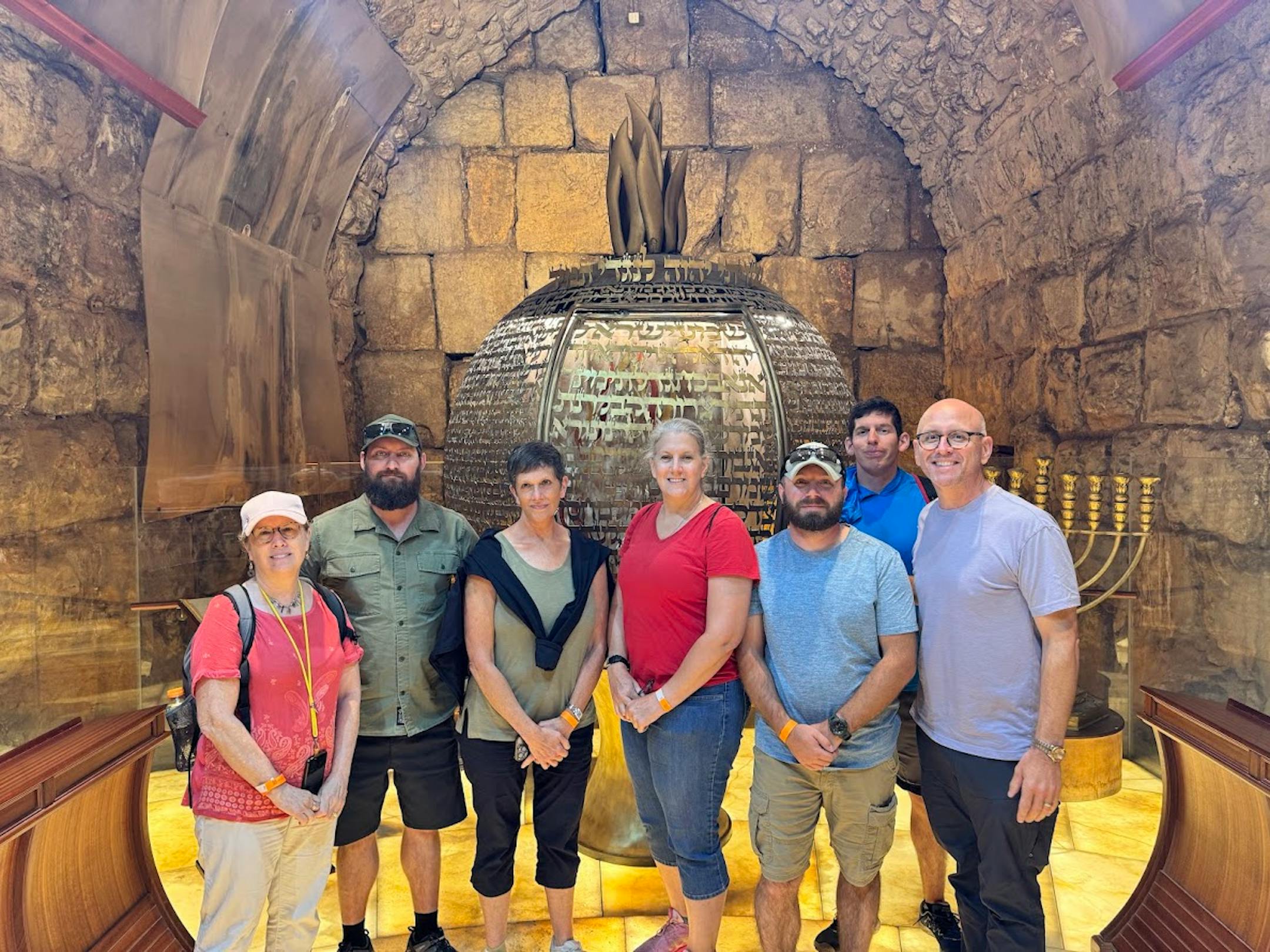
(Left to right): Brenda Ganot, Jeffrey Dale, Eilat Harel, Sarah Rude, Taran Leight, Gavriel Deprenger Gottfied, Laurence Levin

For the Minnesota veterans on a recent exchange to Israel, differences in language, nationality and culture all came second. That’s because despite those differences, the veterans from both nations shared something far more important: a shared sense of duty to their countries.

The exchange gave the visitors from Minnesota a look at what daily life is like for veterans, their families and the larger communities living in Israel today.

Of the Minnesota veterans who participated in the exchange, four recently sat down to share their experience: Jeff Dale, Gavriel DePrenger-Gottfried, Laurence Levin and Sarah Rude.

Making connections across the globe

The exchange was first thought up by the team at the Minneapolis Jewish Federation, who worked with local synagogues to get veterans in the Twin Cities community involved.

The program is meant to not only allow veterans to share common experiences, but spark conversations about empathy and finding solidarity with each other and their communities.

The program gave veterans a chance to talk something that transcends nationality and affects so many people that have served in the military: PTSD. Veterans from Minnesota learned about how their peers in Israel have been impacted by PTSD and vice versa, sharing experiences and learning about ways to support one another.

The veterans from Minnesota also had the chance to talk about their perspective on being Jewish in the military. While those in Israel share that identity with many of their fellow service members, those in the U.S. are a minority. Connecting with others on the exchange meant finding people who could relate to that experience.
To kick off exchange, veterans were connected to the delegation in Israel virtually, with their initial conversations happening over Zoom. Then, last April, the six veterans from Israel made the journey to the Twin Cities to meet their Minnesota counterparts face-to-face.

Together, the group partook in quintessential Minnesota traditions, including an outing to a Twins game.

“We kind of already had faces to names, so it was very exciting,” Rude said.

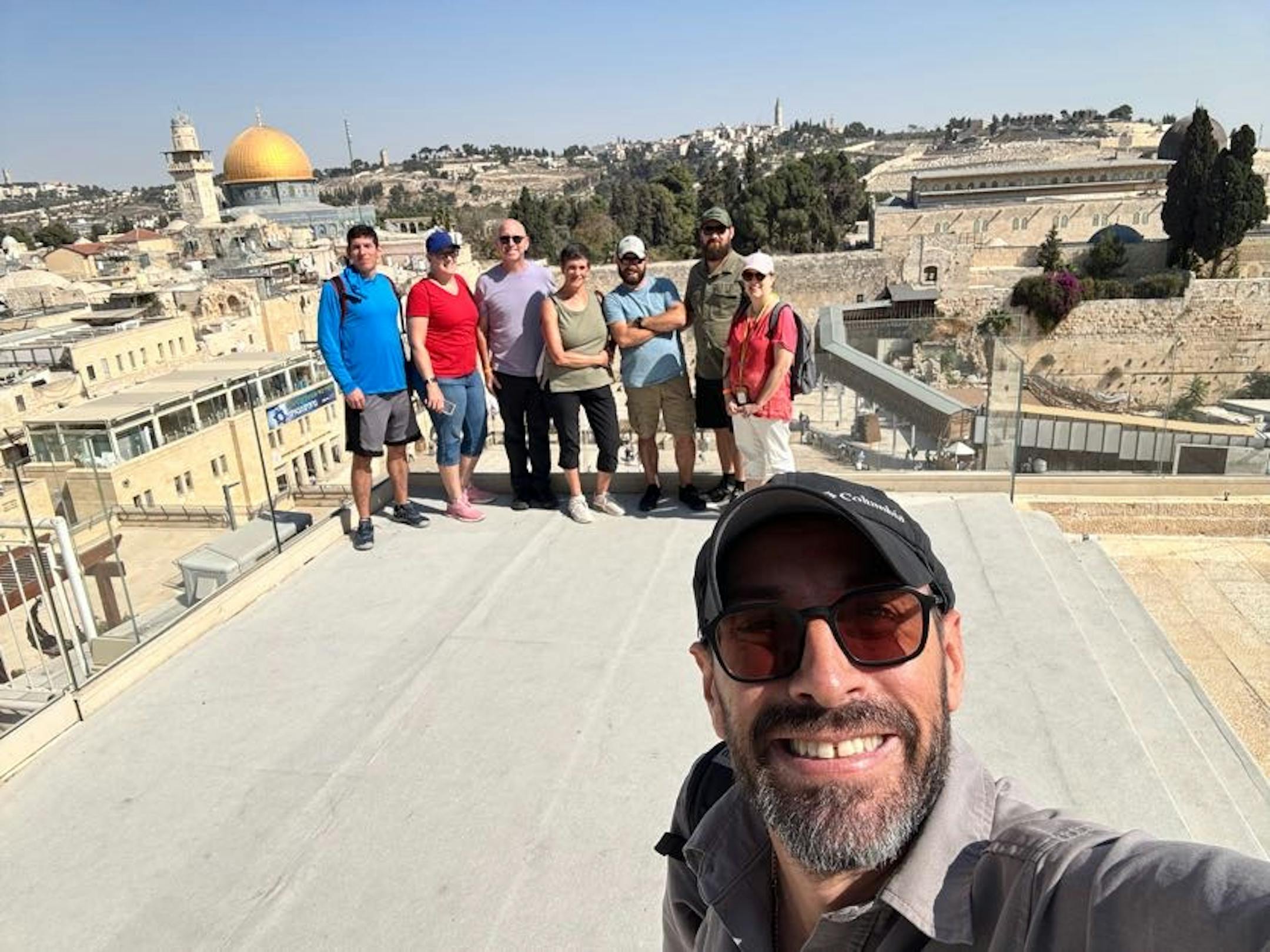
U.S. veterans tour Jerusalem with a guide who shared his own experiences as a former combat soldier, creating a powerful moment of connection and understanding.

Sharing experiences in Israel

Then, in October, the time came for the five Minnesota veterans to make the trip to Israel.

Having already made connections with their Israeli counterparts in their home country, the Minnesota delegation knew their trip to Israel would not only be transformative, but personal.

Immediately upon their arrival in Rehovot, the group was welcomed with open arms, Dale said.

“It was definitely like a homecoming,” Dale said. “So it was really neat, in that regard, to reconnect with them.”

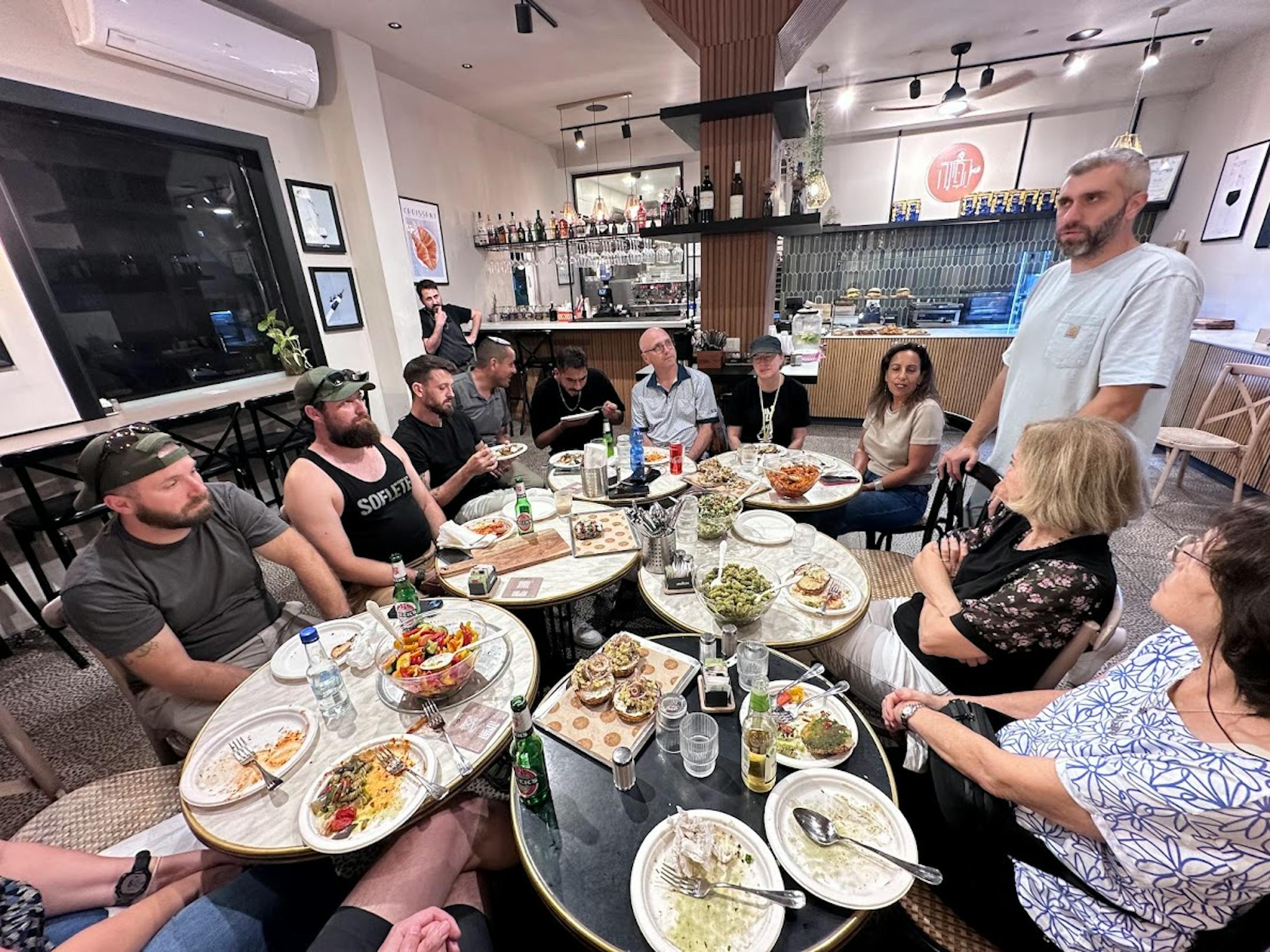
The Minnesota delegation stayed with host families during the trip, giving them an insight into what daily life is like not only for veterans in Israel, but the entire community in Rehovot. Sharing Shabbat dinners with the host families proved to be a highlight of the trip for everyone involved.

“That was a really meaningful part of the trip, getting to experience another Israeli family in their home, quite literally,” Levin said.

HaPina Café in Rehovot, opened by three friends just two days before October 7. After being called to duty when war broke out, they are now working to revive their business.

Solidarity for those living in the conflict

While the two delegations bonded over their shared experiences of serving in their respective countries, the reality for the Israeli veterans also posed a stark contrast to the experience of those from the U.S.

Since the October 7th attack, many of the veterans on the exchange have volunteered to again fight in the ongoing war, often driving just a short distance from their homes into the conflict zones.

“They’re doing not only what they need to do in order to support their country, but also to keep their own family safe and to ensure that there is a place for their kids,” DePrenger-Gottfried said.

The Minnesota delegation found themselves close to the conflict zones during their trip, at one point even being close enough to be able to hear what was happening.

The moment proved triggering for many of the veterans, including Dale. But it also provided a powerful example of support across nationalities.

“I felt a sort of responsibility to jump and try to protect the people in combat,” Dale said.

“One of our Israeli counterparts gave me a hug, and just in that moment, he had lifted that off my shoulders. I realized what we needed to do was take that moment and turn around and come home with it and explain to people what is still happening.”

And, upon returning home, Dale and the rest of the cohort did exactly that.

“We’re continuing to think of ideas of things that people could do to support Israeli communities, Israeli kids,” Levin said. “Families that have been traumatized by the last couple of years.”

The Minnesota veterans have continued to share their experiences and why they were so meaningful with those who couldn’t make the trip. They’ve also continued to meet regularly to discuss ways they can continue to support each other and those still in Israel.

By fostering connections like the ones made on the exchange, the Minneapolis Jewish Federation aims to support not only veterans, but communities across the Twin Cities.