

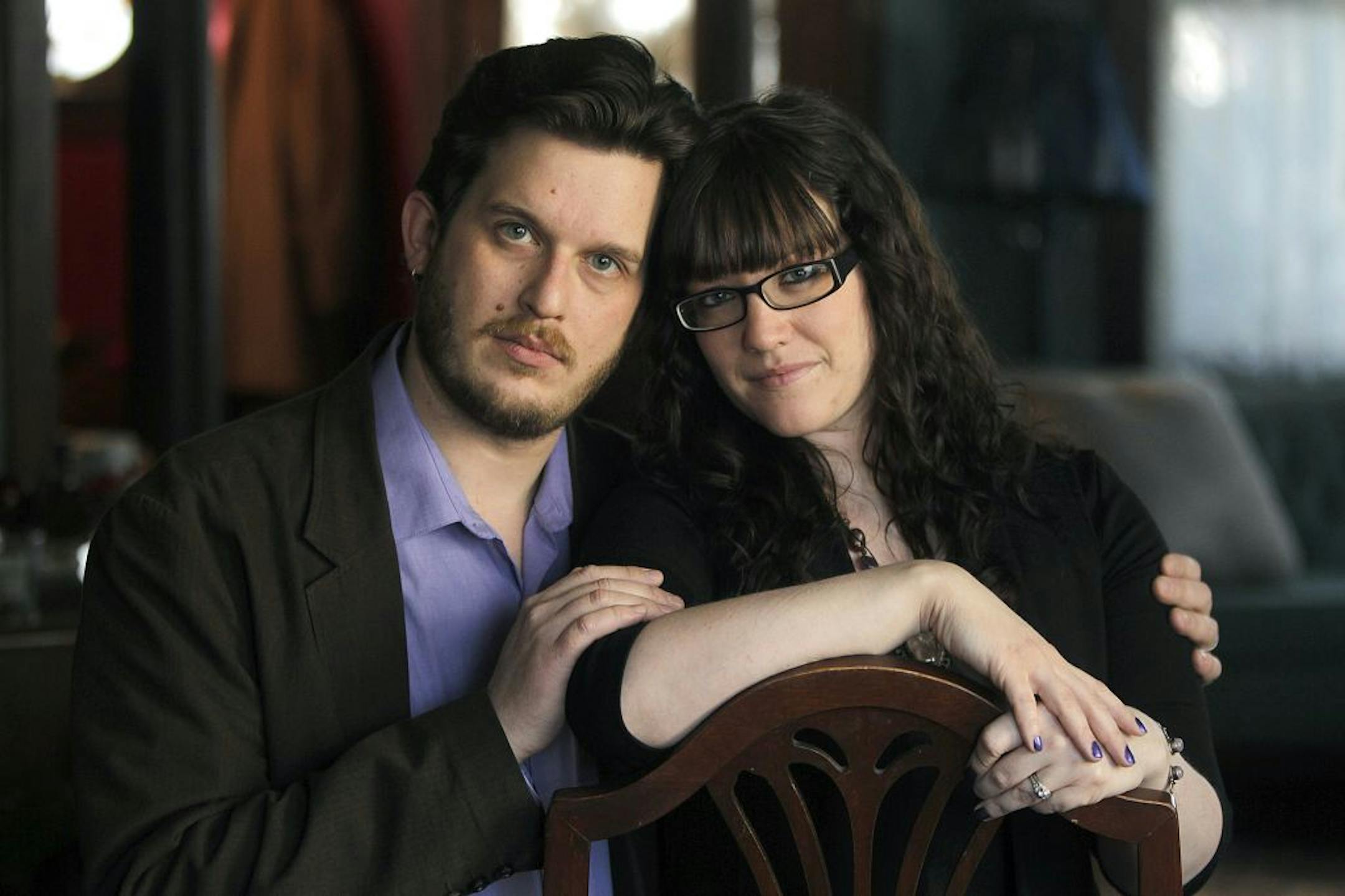
Amy Lembcke once dreamed of twin babies -- of using aggressive in-vitro fertilization to overcome infertility and conceive her family in one swoop.
But when the time came to pursue IVF, Lembcke backed off. She didn't want to risk the money or toll on her body for a procedure that could produce a baby, or no baby, or more babies than she bargained for.
"I didn't want to take out a loan or a second mortgage on the house just to try to have a baby," said Lembcke, 29, of St. Paul, "because they come with their own expenses."
Lembcke's change of heart helps explain a surprising turnaround in Minnesota -- a decline in multiple births from 2,599 babies in 2009 to as few as 2,297 last year. Multiple births had increased almost every year for the past two decades, mostly because of the popularity of assisted reproduction techniques such as IVF -- by which embryos are fertilized outside the body and then implanted in infertile women.
So while the decline in multiple births is small, it is significant. Public health and fertility experts suspect that the struggling economy discouraged couples such as the Lembckes from pursuing expensive fertility treatments. (IVF can cost around $15,000, and insurance coverage of the procedure is spotty.)
But the decline also marks improvements in infertility procedures; Minnesota's five IVF clinics are all reporting more pregnancies over the past decade but fewer twin and triplet births.
Preliminary figures from the Minnesota Department of Health for 2012 show no quadruplets or higher order births and only 65 babies born as triplets -- a decline from 92 in 2009 and well shy of a high of 167 in 2001. The data also showed fewer twin births, which surprised fertility doctors because many of their patients want twins.
"We've done a very good job at almost eliminating the triplets," said Dr. Jacques Stassart, medical director of Reproductive Medicine and Infertility Associates, which provides IVF in Edina and Woodbury. "The next frontier is to curb the number of twins, though we're meeting a bit of patient resistance to that."


