6:55
6:55ELY, MINN. - Every year Randy Stender and his family spend Memorial Day weekend at Birch Lake Campground, a tradition that ties him to the wild, unspoiled lands here on the edge of the Iron Range where he grew up. There was a time, he says, when he and his wife would have moved back — if there had been a job like the one his father once had at Reserve Mining.
So when he heard that Birch Lake's shoreline could become the site of one of the largest copper mines in the country, he immediately grasped the conflict gripping this charming tourist town and spreading across Minnesota.
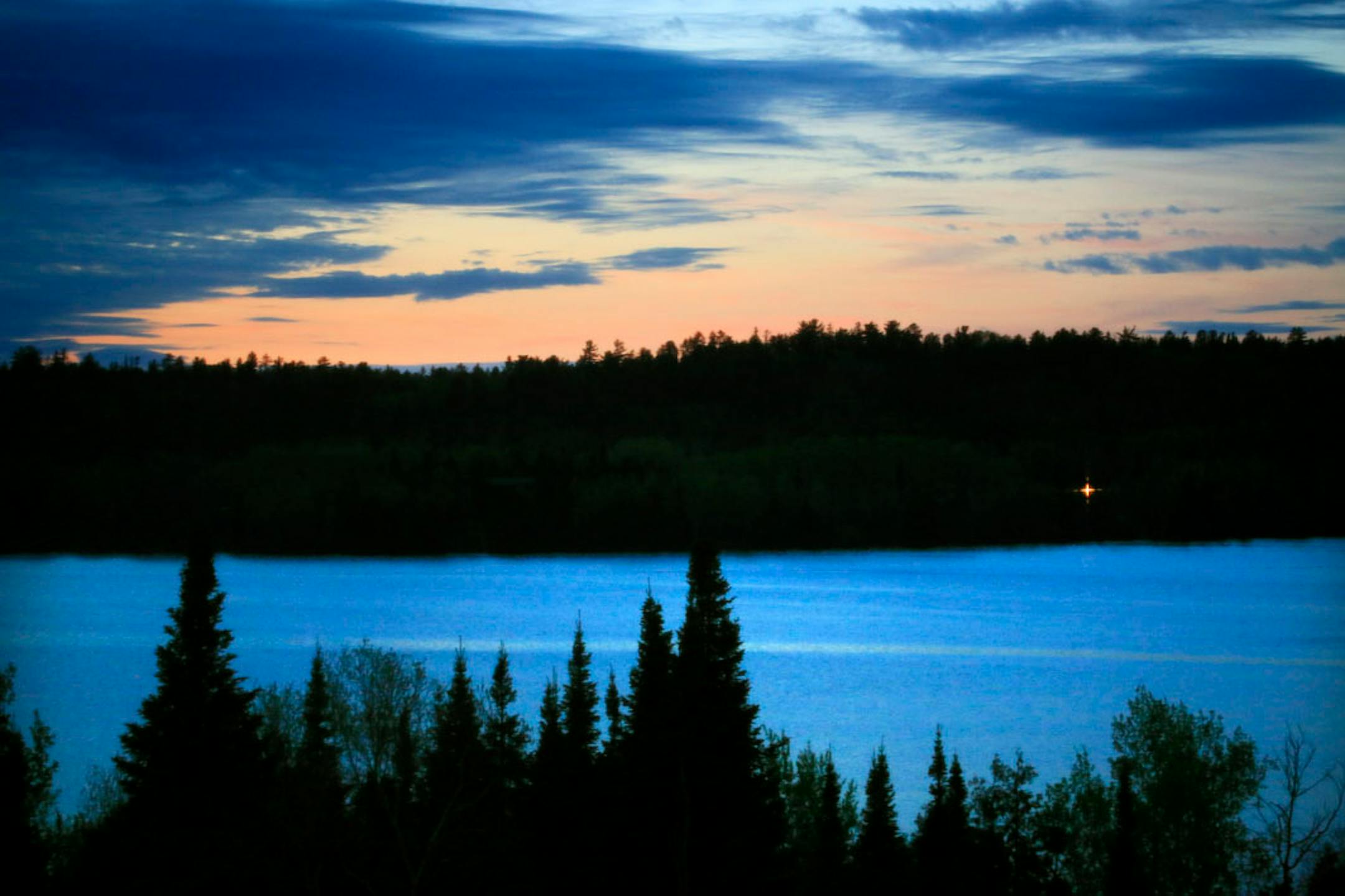
"That's the catch," he said, opening his arms wide to the lake that shimmered in the morning light. "Because I kind of like it like this."
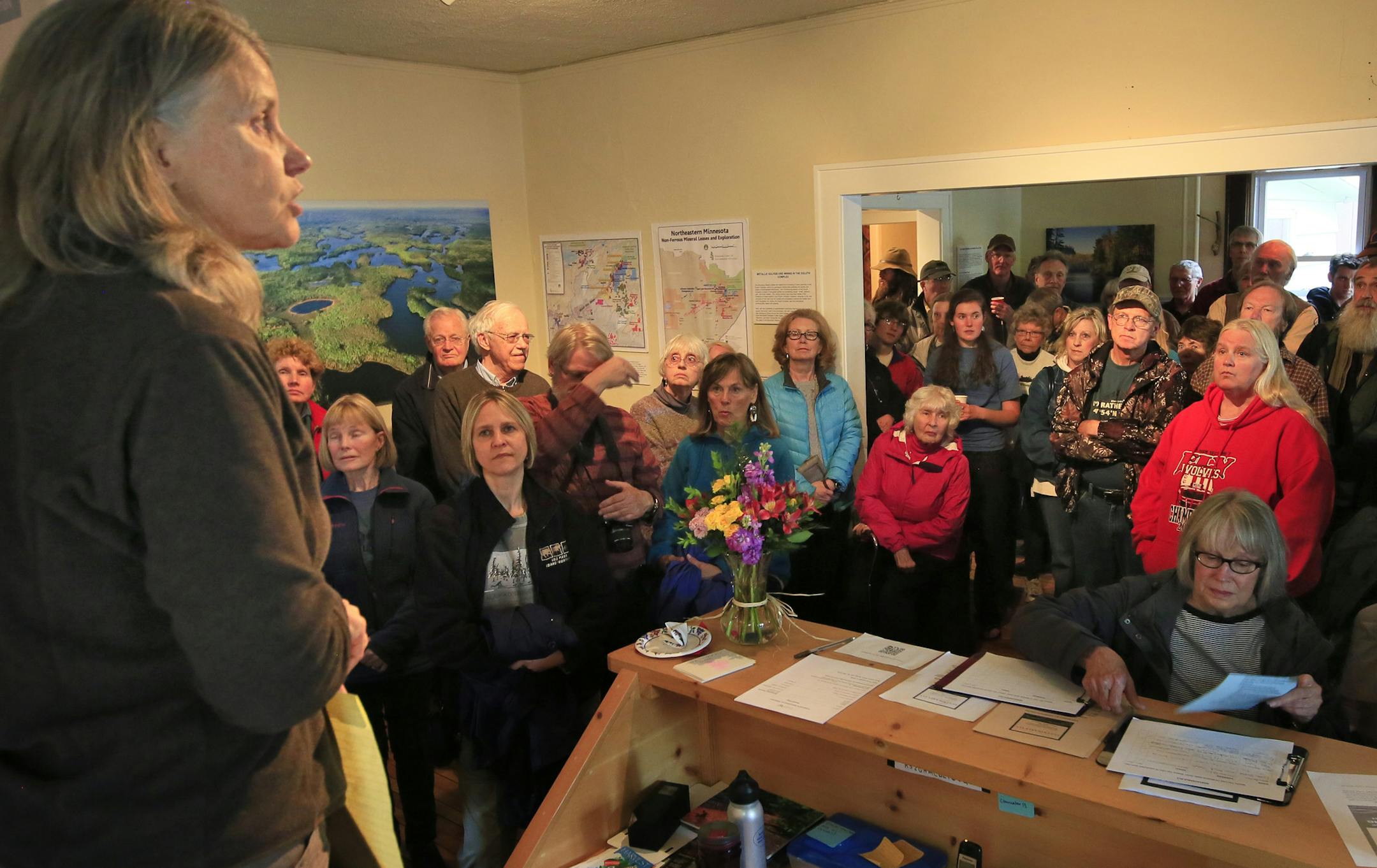
The prospect of a massive new mining industry here is igniting long-simmering tensions — between those who long for the surge in prosperity it could bring and those who say it threatens the splendor of the North Woods and the tourism that relies on it.
At least a dozen companies are exploring for copper, nickel, gold and other precious metals in a vast geological formation called the Duluth complex, which stretches from Tamarack, Minn., to the nearby Kawishiwi River that feeds the Boundary Waters Canoe Area Wilderness.
Company officials say hard-rock mining can — and will — be done safely, while creating thousands of jobs and spawning a new industry that could someday dwarf the state's taconite and frac sand mining operations.
"A viable community has to depend on more than tourism," said Brian Krunkkala, who works at an Ely bait shop.
Opponents say hard-rock mining is not like taconite, and point to western states where similar mines have polluted thousands of miles of streams and rivers with acidic runoff. Even at its best, they say, mining that produces acid along with precious metals is too risky for the water-rich environment of northern Minnesota and the outdoor recreation that draws hundreds of thousands of visitors each year.