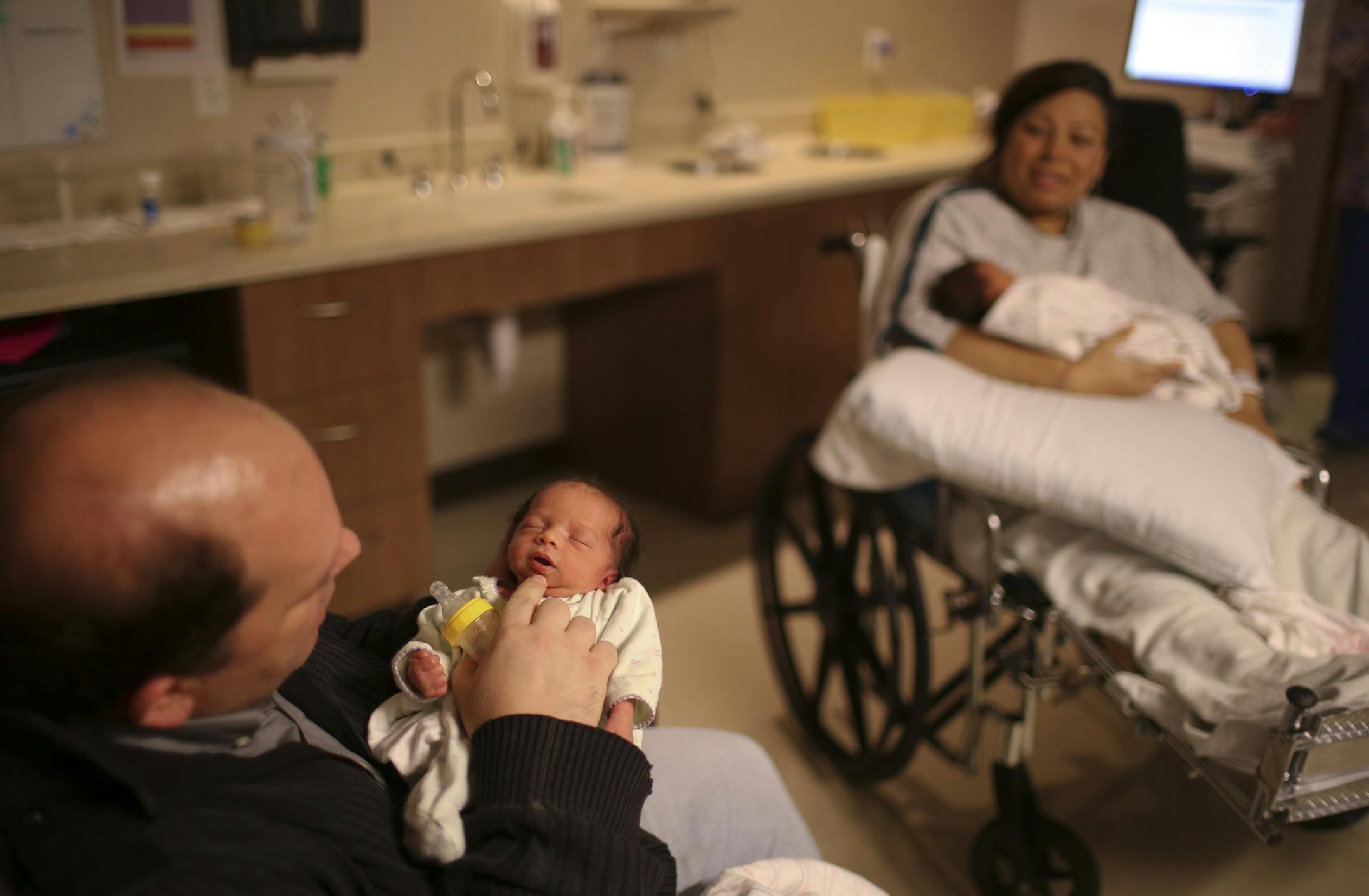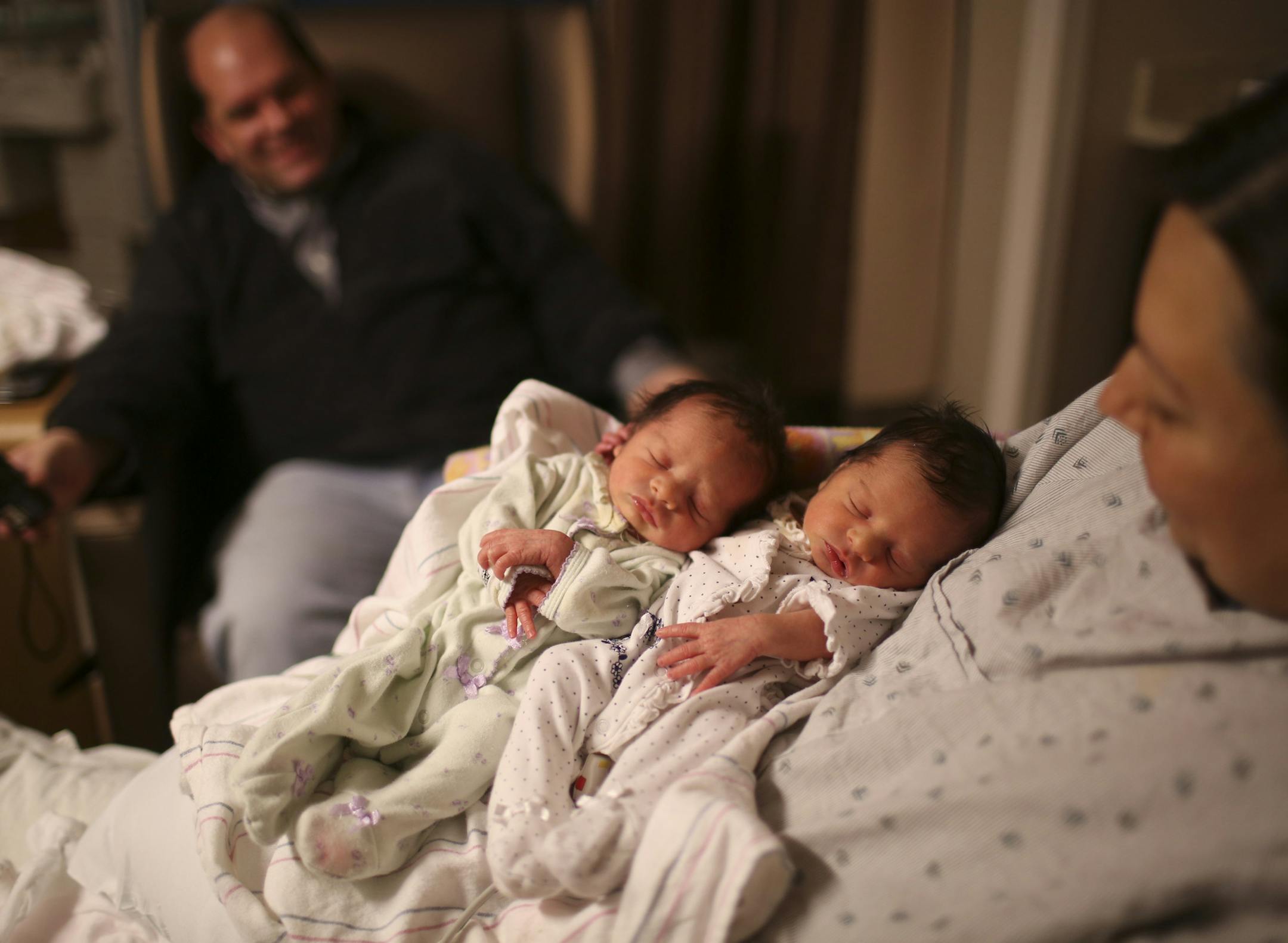
Minnesota was one of only 17 states that failed to reduce its rate of preterm births in 2012, despite taking comprehensive steps to combat the problem.
The state's rate of preterm births remained lower than the national average, but crept up from 9.9 percent of the total in 2011 to 10.2 percent last year.
The surprise result is contained in a report being released Friday by the March of Dimes on preterm births, those that take place before 37 weeks of gestation.
"When I saw this report, I was like, 'aw, shoot!' " said Danielle Prenevost, communications director for the March of Dimes' state chapter.
The rate of preterm births ticked upward even though Minnesota has successfully cut the number of pregnant women who smoke, the number of teens who have babies, and the number of doctors who induce labor too soon. The state has also increased the rate of pregnant women who have health insurance.
Health officials suspect the 2012 figure could prove a one-year setback in a decadelong run of improvement. But it shows the need for more work in preventing preterm births, which are strongly associated with birth defects, infant deaths and expensive hospital stays.
Health workers said it also underscores the growing need to focus on the overall health of pregnant women in the state, since they are increasingly likely to be overweight or have chronic health problems.
The number of births by women with chronic high blood pressure increased from 508 in 2006 to 688 in 2010, according to a Star Tribune review of federal birth statistics. Those women are twice as likely to give birth prematurely compared to others.