Like a noisy jet rumbling over your house on an otherwise quiet summer night, Minnesota's winter calm was disrupted by a fast-breaking controversy over an obscure airplane landing strategy known as Area Navigation (or RNAV).
Most Minnesotans didn't know why so many people suddenly were so upset about a new technology to land planes at Minneapolis-St. Paul International Airport. Those under the flight path understood all too well that this could have a huge impact on their quality of life. And the controversy for them is only beginning.
Get used to this battle, and others like it. We will be spending many days, over many years, in controversies just like this, and involving many more homeowners — unless we develop a new way to think about aviation in this state. The good news is that these challenges are avoidable. In the process, we can create an economic upside for Greater Minnesota.
First, some background:
The RNAV controversy centered on a plan to use new technologies to concentrate flights into tighter takeoff and landing corridors. This may make sense in the control tower, and to some people in other communities affected by airport noise. But over parts of Edina and Minneapolis, it could create a nonstop superhighway jammed with airplanes.
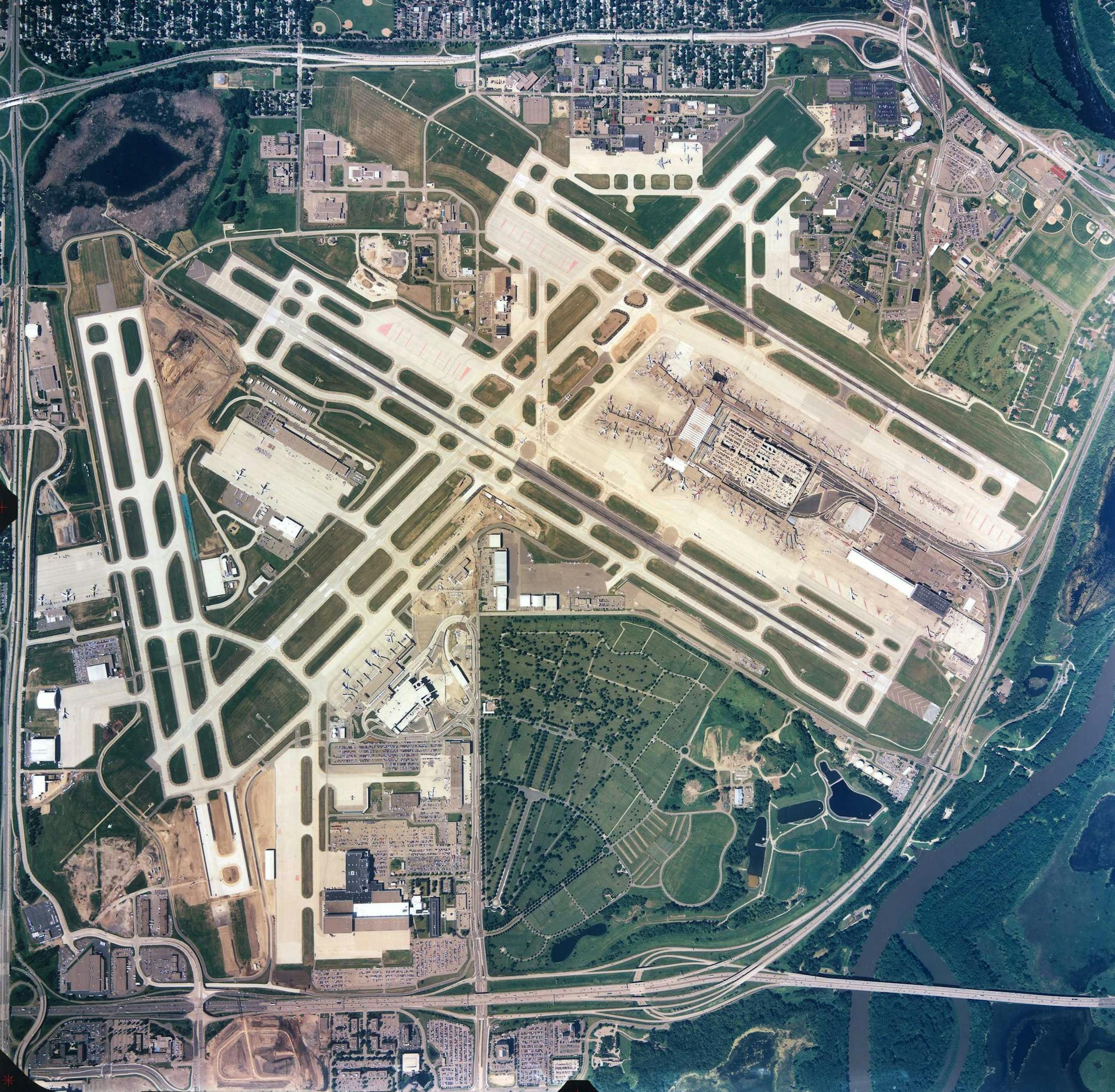
The Metropolitan Airports Commission wisely delayed implementing the most controversial part of the plan late last year, but that only temporarily calmed upset residents. We will be in an even deeper mess soon because a proposed $1 billion expansion of the airport is projected to increase air traffic at MSP by 20 percent by 2025.
If we face this kind of controversy over how we route existing traffic at MSP, what is it going to be like when we increase it by 20 percent? With new landing technologies making it possible to land planes closer together, aren't neighborhoods already rocked by noise going to see more and more flights, packed closer together into a potential nonstop overhead armada? Won't new technologies like RNAV give the control tower more freedom to land planes, potentially meaning that close-in areas like St. Paul, which now have relatively low noise, will suddenly find themselves under flight paths?
If you can stand on the shores of Lake Harriet on an otherwise peaceful night and spot five planes at a time over your head, what will it be like when we can fly more and more, closer and closer together, with far more traffic?