

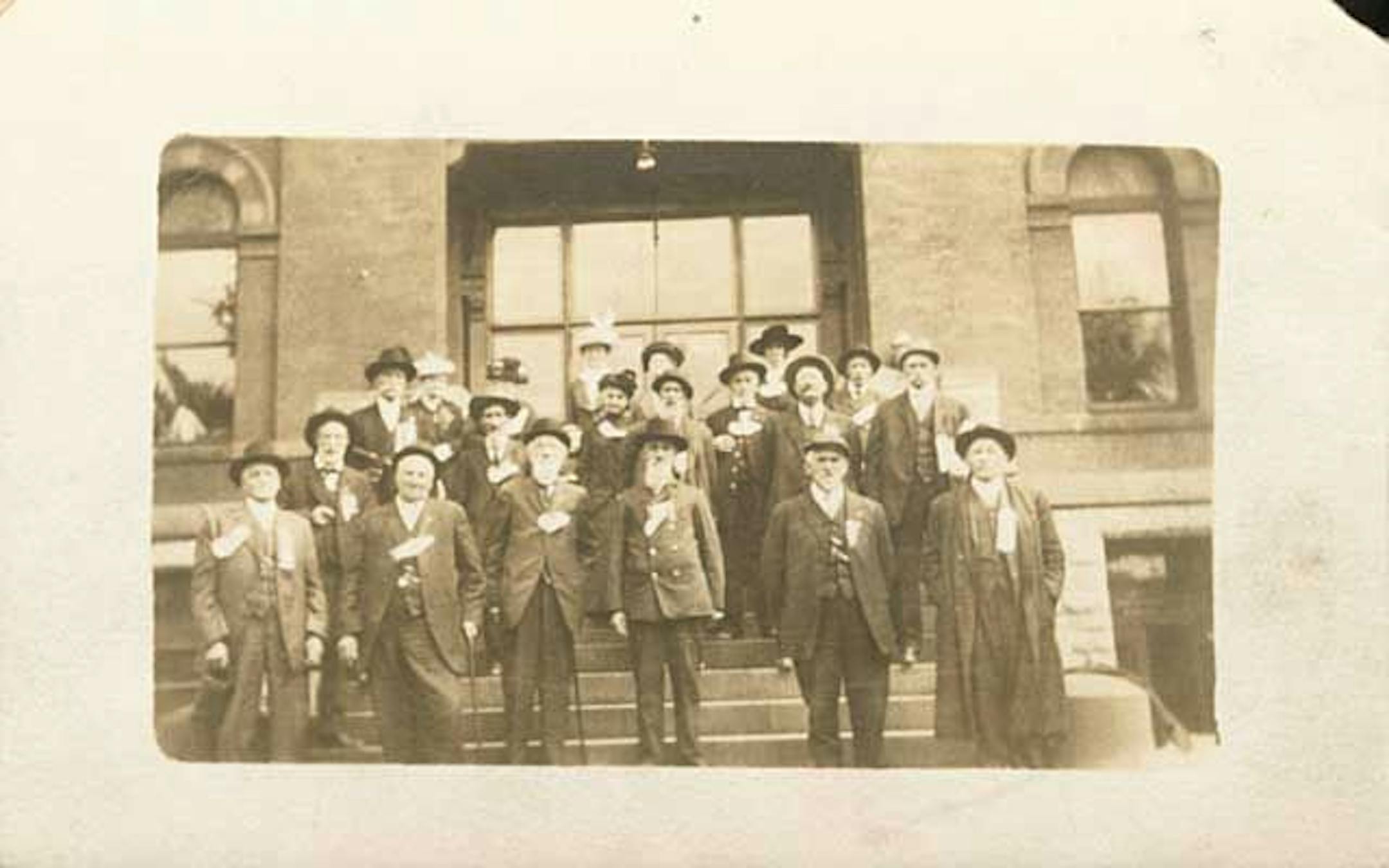
Henry Mills held on to the shirt that saved his life for the rest of his long life.
It was a dead man's shirt. Likely wrestled off a fallen Confederate soldier on an icy Nashville battlefield in the bitter December of 1864. Mills took the shirt and wrapped it tight around the bleeding bullet wound in his leg.
He lost the leg but kept the shirt. It came home with him to Minnesota — first to Fort Snelling, where Lt. Henry L. Mills mustered out of the 7th Minnesota Volunteer Infantry, then home to St. Paul.
No matter how many times the Mills family washed the battered shirt, the bloodstains remained. But instead of burning the thing or cutting it into rags so he wouldn't be reminded of the pain and fear of those days, Mills carried this piece of his past into the future.
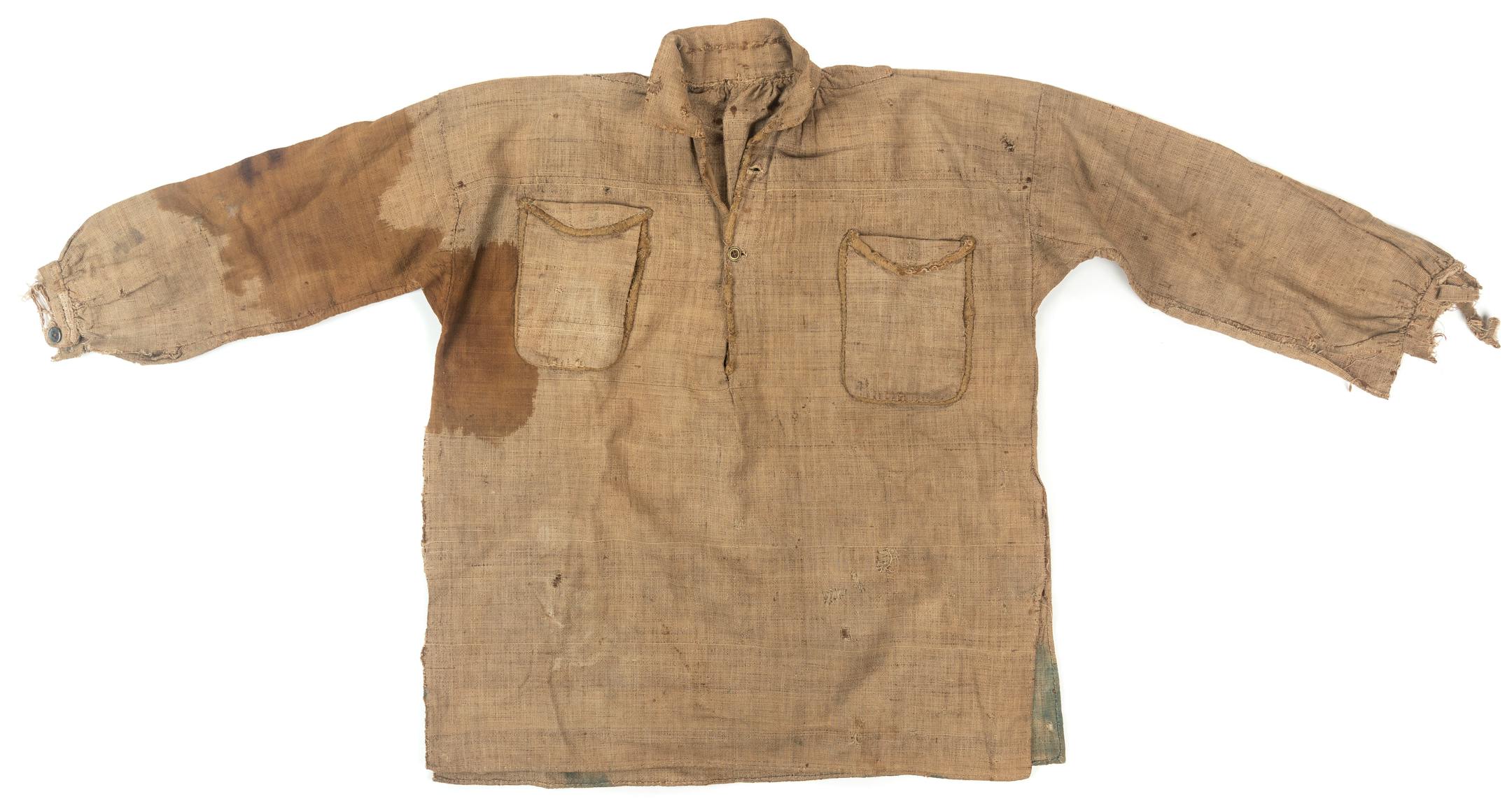
The collections at the Minnesota Historical Society are full of cherished mementos donated by veterans of the Civil War.
"These guys, they lost a lot of friends. They were really trying to remember the people they lost, more than anything," said Sondra Reierson, senior curator of 3-D objects at the Minnesota Historical Society. "I think it was less about remembering being wounded and more about surviving, and remembering who else he lost."
Right now, Minnesotans who made it through the past year and a half of pandemic, injustice, isolation and grief may be looking around now at the things they carried out of 2020. The piles of masks, the protest signs, the hoarded hand sanitizer, the children's Zoom homework assignments, the recipe for sourdough starter. They may be wondering how much of it they want to carry into 2022 and beyond.
In the worst days of 2020, as historic sites closed and waves of furloughs and layoffs hit Minnesota Historical Society staff, MNHS was urging Minnesotans to be mindful of the history we're living through.


