

Except for the usual round of cheery "Messiahs" each December, baroque music largely has been banished from big orchestras in the U.S. and Europe.
The culprit, the early-music movement that got rolling in the 1960s and '70s, promised — and usually delivered — a fresh, enlightened approach to baroque repertoire, an approach that offered performances on those period instruments that were so hard to keep in tune and that made fervid claims of "authenticity" and historic correctness.
Heated arguments ensued. One camp said people play period instruments because they can't play anything else. The other side retorted that a modern symphony orchestra playing Bach is inauthentic, and anyone who enjoys such bloated music is likely to be personally inauthentic and probably needs counseling.
As a result, most mainstream conductors, intimidated by the arguments (and impressive record sales) of the early-music crowd, capitulated, saying, in so many words, "We can't do Bach and Handel. We don't have the know-how." Early music became the province of specialists.
That's still true today, though there's less feeling of aesthetic warfare, partly because no one's records are selling anymore. The Minnesota Bach Ensemble, an excellent small professional orchestra that played a concert at St. Mark's Cathedral Saturday night, embodies these trends.
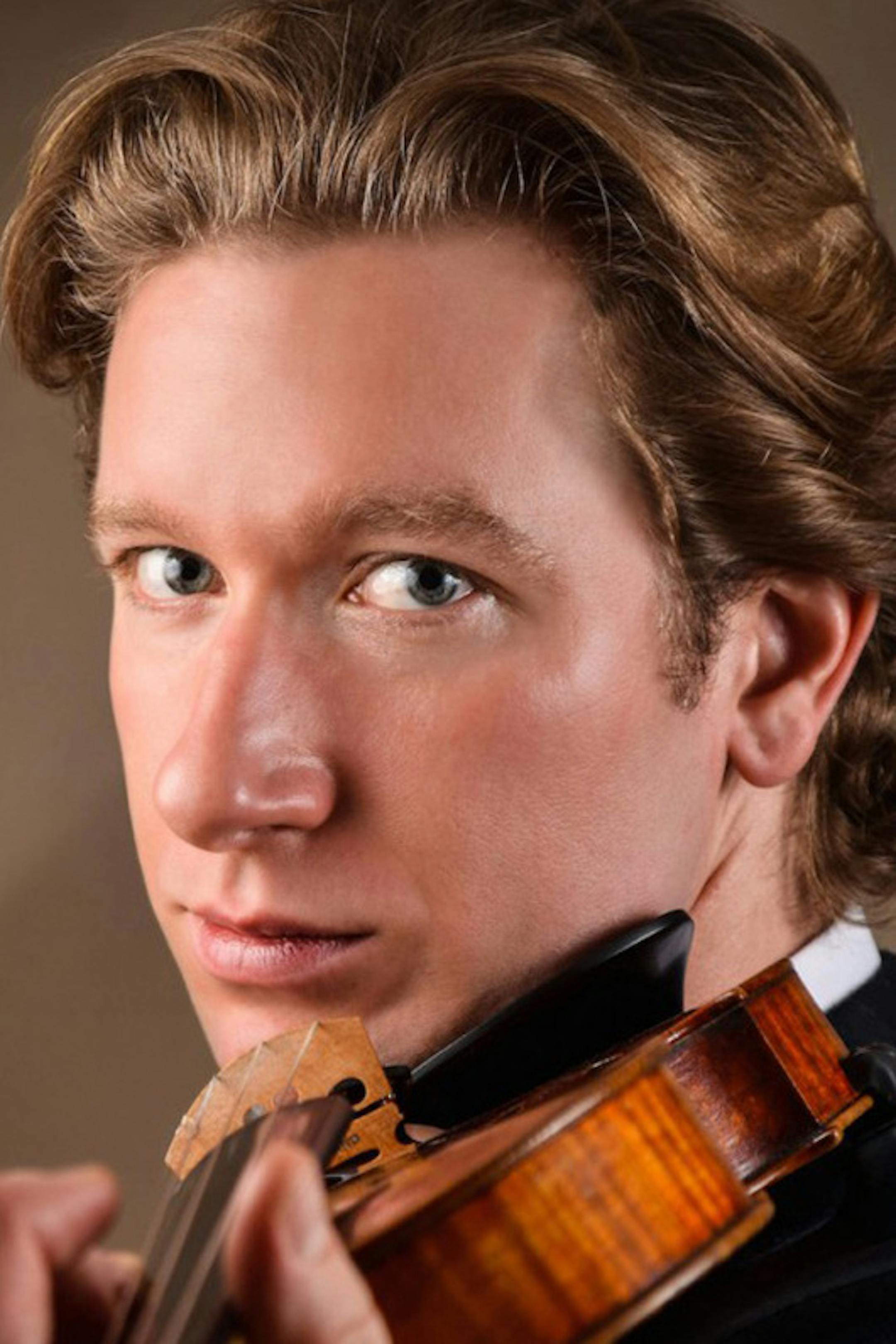
The group's musicians, most of them members of the Minnesota Orchestra, play modern instruments, but the way they play them, under the assured guidance of artistic director Andrew Altenbach, shows clearly the influence of the early-music movement — buoyant rhythms, restrained vibrato, transparent textures and generally brisk tempos.
Altenbach, who holds a doctorate in conducting from Indiana University and lives in Boston, where he is music director of opera at the Boston Conservatory, names the English early-music conductor Harry Bicket as a mentor.
They share a feeling for the dance rhythms that underlie so much baroque music. Examples abounded Saturday night: the special bounce that Altenbach drew from the Minuet that concludes Handel's Concerto Grosso Op. 6 No. 5, and later on the peasant dance character he underlined in the Capriccio movement of the Symphonie in A minor by Jan Dismas Zelenka, a Czech composer much admired by Bach.


