Progressive majority on Minneapolis City Council asserts control in first meeting of the year

The council elected a leadership slate of four progressives, echoing an old structure that voters eliminated in 2021.

The Minnesota Star Tribune
January 6, 2026 at 3:00PM
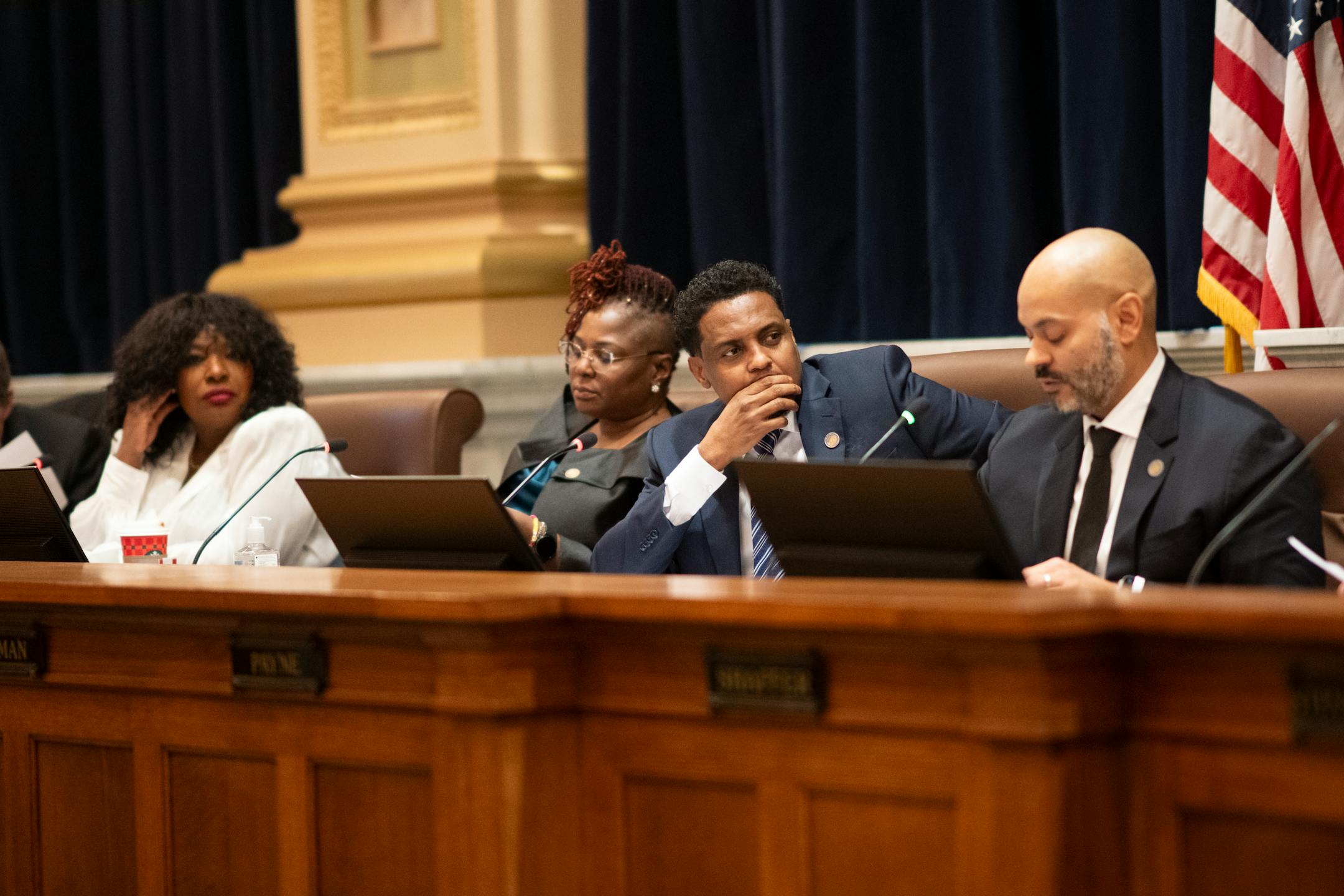
From left, Minneapolis City Council Members LaTrisha Vetaw and Pearll Warren and Council Vice President Jamal Osman listen as Council President Elliott Payne explains his new minority and majority leaders at the first Minneapolis City Council meeting of 2026 at City Hall, Jan. 5. (Renée Jones Schneider/The Minnesota Star Tribune)

In its inaugural meeting of 2026, the new Minneapolis City Council returned to beautifully remodeled City Hall chambers to appoint its own leaders.

The ensuing debate on Jan. 5 was less enchanting, as old factions re-emerged to duke it out over leadership roles.

When the dust settled, progressive members had been chosen to chair almost all the council’s policymaking committees, and democratic socialists occupied half the spots on an expanded leadership team.

It was a show of power by the progressive wing of the City Council, which has been more critical of Jacob Frey. It held on to a narrow majority following November’s elections.

The appointments came over vociferous objections from the Frey-aligned moderate minority, who predicted the entrenched division of the City Council will continue for another four years.

Elliott Payne, last term’s progressive council president, won reappointment to that position over Linea Palmisano, who was nominated by the body’s moderate wing. Palmisano, a Frey ally, then lost again in the running for vice president to Jamal Osman, a swing vote who has been openly critical of Mayor Jacob Frey on issues of homelessness in his Ward 6.

Voting on both appointments was split — 8-5 and 7-6 respectively. Newly elected Ward 11 Council Member Jamison Whiting, a former assistant city attorney, broke the mold by voting for Payne but against Osman, paying homage to Palmisano’s 12 years of service as the longest-sitting council member and signaling a willingness to work across divides.

Collaborating across differences and repairing City Hall’s reputation for internecine infighting was a high-minded theme of the mayor’s inauguration as well as council leadership’s remarks as elected officials returned to business on Monday.
“I recognize this position is one of trust, and that the primary duty is to reflect the consensus of this body,” Payne said. “Let us put our agendas on full display, agendas of care and compassion, agendas of equity and justice, agendas that show we are not afraid of despots or authoritarians.”

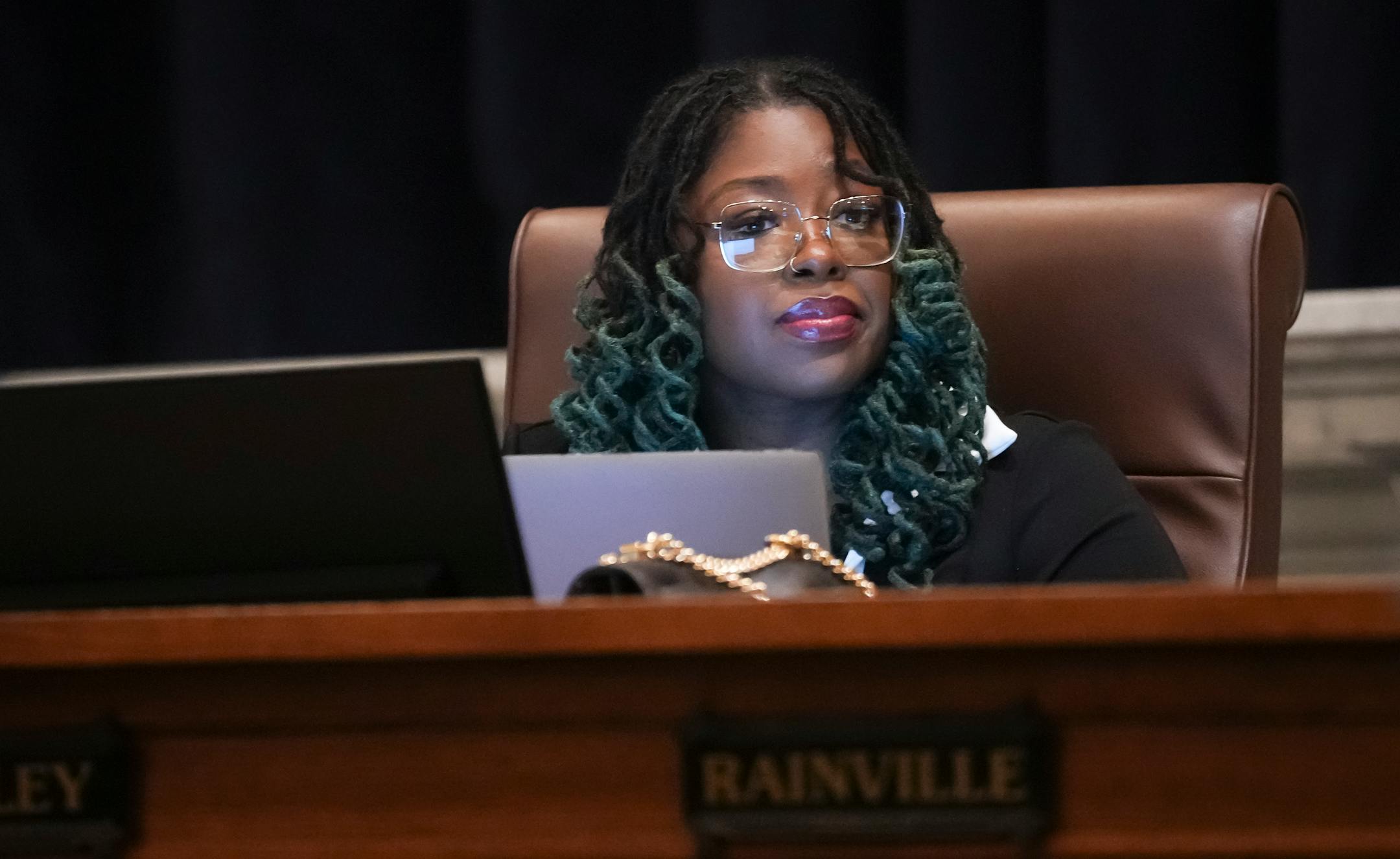
Minneapolis City Council Member Robin Wonsley was elected to the position of minority leader at the first meeting of 2026 at City Hall Jan. 5. (Renée Jones Schneider/The Minnesota Star Tribune)

‘Majority leader’ and ‘minority leader’

But when the council considered expanding the leadership team to include two democratic socialist members — Council Member Aisha Chughtai for the newly created role of “majority leader” and Council Member Robin Wonsley as “minority leader” — confusion and complaints broke out.

The roles of majority and minority council leaders echoed a leadership structure that began in 1984, providing a role for the minority party in the appointments of city department heads. When voters shifted power from the City Council to the mayor by approving a “strong mayor” ballot question in 2021, that structure was eliminated.

City Clerk Casey Carl said the new majority and minority leader positions used those historic terms, but were substantially different roles than the ones voters threw out.

The roles’ definitions were the subject of considerable disagreement.

Payne described the majority leader as a council member who would identify uncontroversial ideas that the rest of the body largely agreed with, while the minority leader would focus on advancing lesser-understood policy positions.

Yet Wonsley, Payne’s nominee for minority leader, disagreed, stating that she intended for the position to formally recognize the political diversity of the Minneapolis City Council — namely the four members who belong to Democratic Socialists of America: herself and Council Members Chughtai, Jason Chavez and Soren Stevenson. She likened the dynamic to how past council leadership structure recognized Green Party member Cam Gordon as a minority leader years ago.

“I plan to work with the community and all of my colleagues on this body to prevent looming evictions,” Wonsley said, describing her top priorities as minority leader. “We’re going to have to generate progressive revenue, and that includes also a tax on the rich.”

She also listed restricting surveillance technology in the city, establishing municipal grocery stores and expanding unarmed mental health responders to 911 calls.

Moderates rebuked the positions, saying there was too much variation in how their proponents were explaining them and suspecting ulterior motives to empower the DSA wing of the council over the moderates, despite both being minority factions.

Council Member LaTrisha Vetaw turned down an offer by Whiting to nominate her for minority leader, saying, “I have never taken a job without a description.”

She said that filling both majority and minority leader positions with democratic socialists would promote one agenda, not a diversity of political thought.

The progressive majority declined to postpone their vote on the majority and minority leadership positions, approving Chughtai and Wonsley.

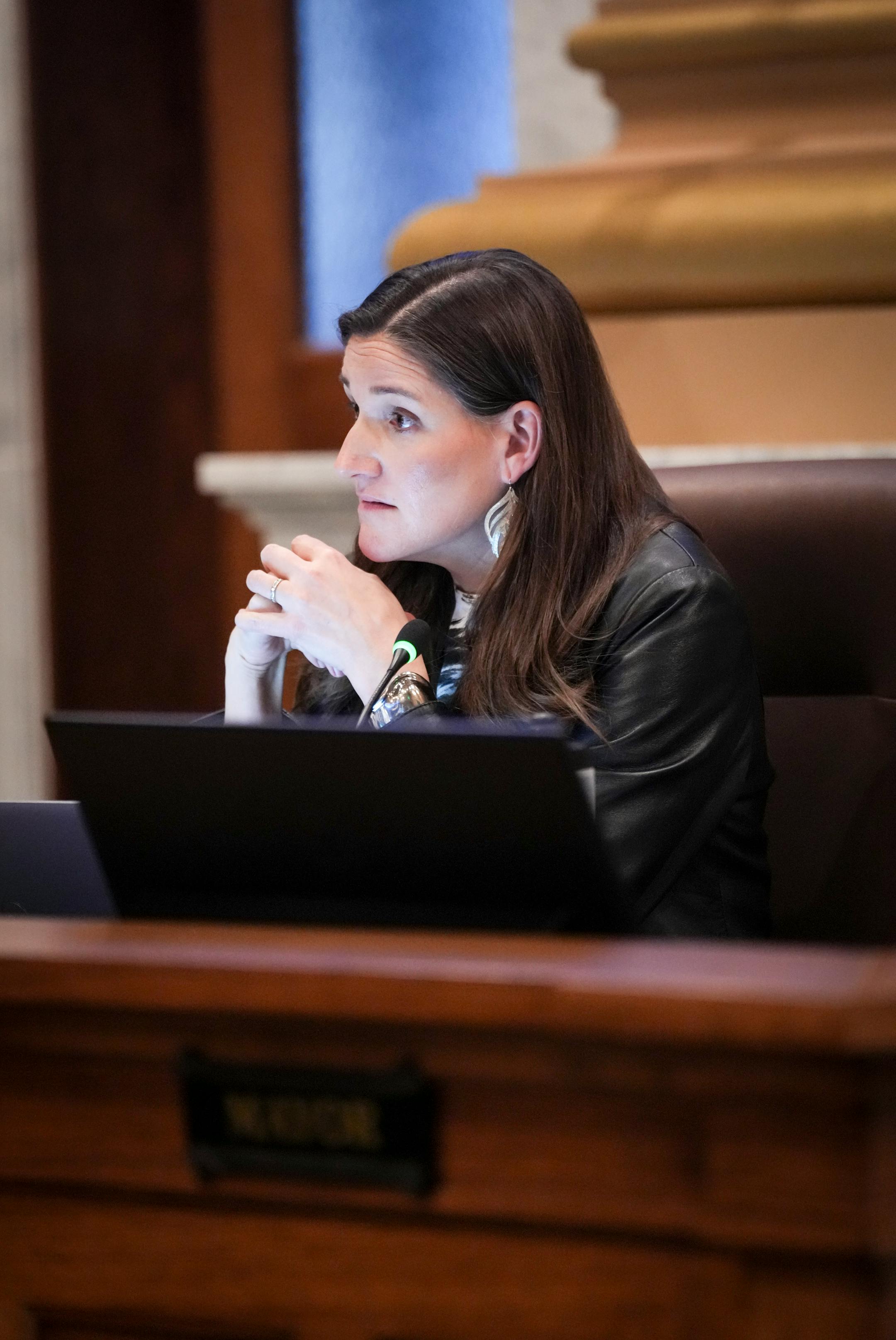
Minneapolis City Council Member Linea Palmisano. (Renée Jones Schneider/The Minnesota Star Tribune)

Committee assignments draw scrutiny

When it came time to appoint the chairs and vice chairs of the council’s policy committees, moderates again complained that they were not consulted about how their policy interests could align with the assignments, and that members of the progressive majority dominated chair and vice chair positions.

Palmisano was the only moderate chosen to chair a committee: the Enterprise and Labor Relations Committee. Vetaw wasn’t chosen to lead any.

“President Payne, you put the four DSA-ascribed members on everything. This is overrepresentation,” Palmisano said. “I think this is a really poor start and it shows a lack of leadership.”

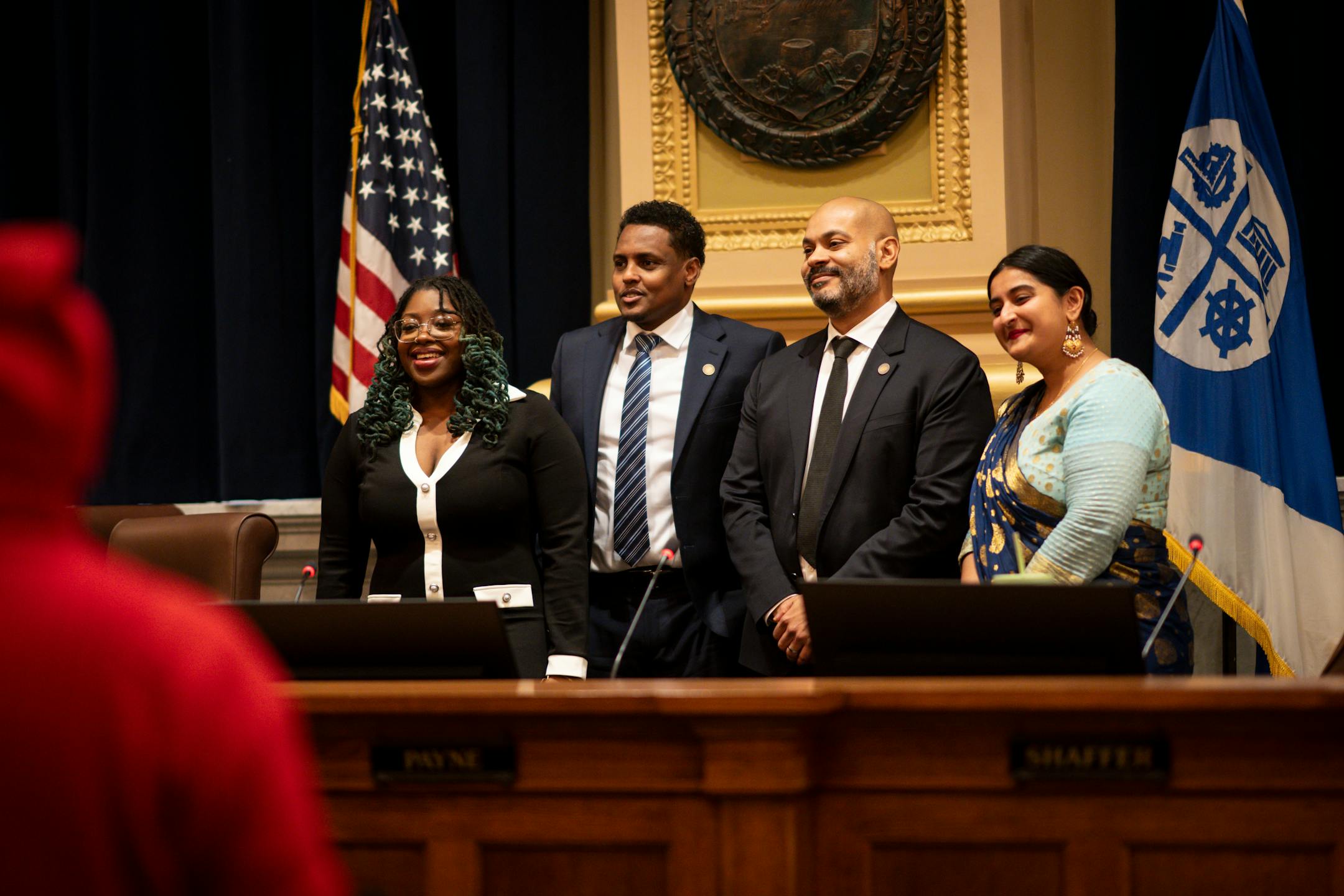
From left, Minority Leader Council Member Robin Wonsley (Ward 2), Council Vice President Jamal Osman (Ward 6), Council President Elliott Payne and Majority Leader Council Member Aisha Chughtai (Ward 10) pose for a picture after the first Minneapolis City Council meeting of 2026. (Renée Jones Schneider/The Minnesota Star Tribune)

Following the meeting, Payne told the Minnesota Star Tribune that he is committed to building a collaborative and functional City Council despite moderate members’ prediction that the term has been doomed to discord. He said he wanted the body to figure out together what the majority and minority leaders’ roles should be, and for freshmen council members to learn from more experienced ones before taking on top committee roles.

“At the end of the day, compromise is going to be a part of that process, and not everybody wants to compromise,” he said.

about the writer

about the writer

Susan Du

Reporter

Susan Du covers the city of Minneapolis for the Star Tribune.

See Moreicon

More from Minneapolis

See More
card image
Renée Jones Schneider/The Minnesota Star Tribune

The new titles for City Council members with similar politics got the new term off to an acrimonious start and reinforced old divisions.

card image
card image