

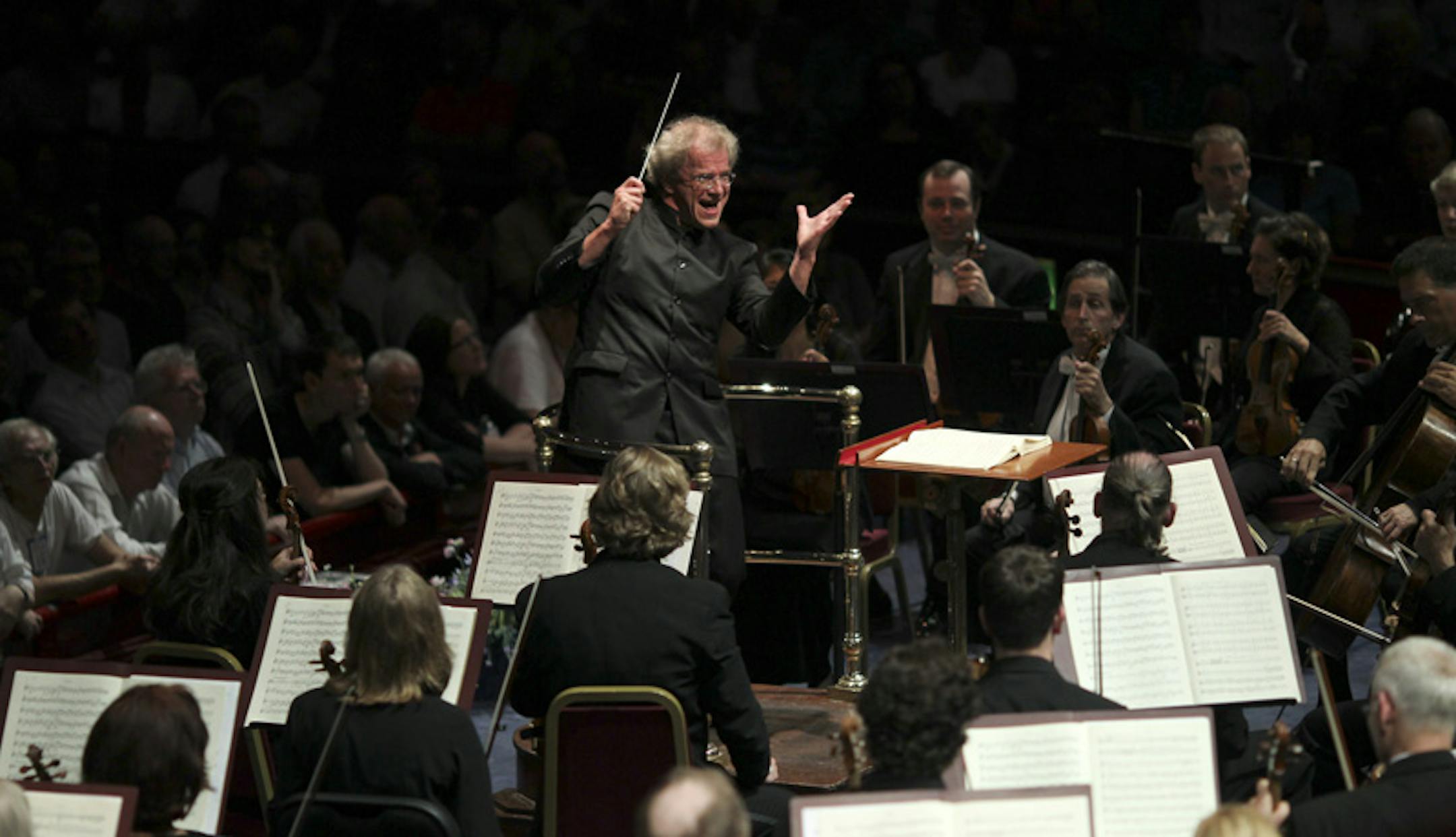
In 2010, the Minnesota Orchestra traveled to London's famed BBC Proms and gave the performance of a lifetime. For the board members who attended, these were joyful concerts filled with deep appreciation for our musicians, our orchestra and our state.
How does this proud image square with the Minnesota Orchestra that you've seen in the news lately? How can a volunteer Board of Directors that is deeply committed to this orchestra ask its supremely talented musicians for wage concessions?
It is because we are responsible for the future of the Minnesota Orchestra.
The 80 members of the board believe in the orchestra's mission. So do we -- and we are motivated by a desire to do what is best for this great organization and our community.
The board members who served before us brought the orchestra through the Depression and two world wars. Now it is our turn to preserve this cultural resource in the face of a global recession and a societal shift away from classical music attendance. It would be easy to hide from these realities, much easier than facing a labor dispute. But the right thing to do is to make difficult decisions now that prevent our orchestra from dropping off a financial cliff in a few short years.
We are not alone. Major symphonies across the country -- Atlanta, Detroit, Indianapolis, Philadelphia and others -- are struggling with structural imbalances that lead to deficits, debt and labor strife. In Minnesota, we were able to deliver balanced budgets through large, unsustainable endowment fund draws and "bridge-the-gap" fundraising. The unexpected arrival of the recession -- and the subsequent decline in our revenue streams -- exacerbated our issues. It also made plain that we could no longer survive based on optimistic economic assumptions and the hope of limitless benefactor generosity, even in Minnesota.
Our board's solution is straightforward: Even in the arts, we can only spend what we can realistically expect to earn.
We began aligning our revenues and expenses through cuts in every area of our institution except the contract with our musicians. Since 2009, we've reduced operating budgets by $2.3 million, have laid off 20 percent of staff and have asked those remaining for significant reductions in salary, pension and health insurance.


