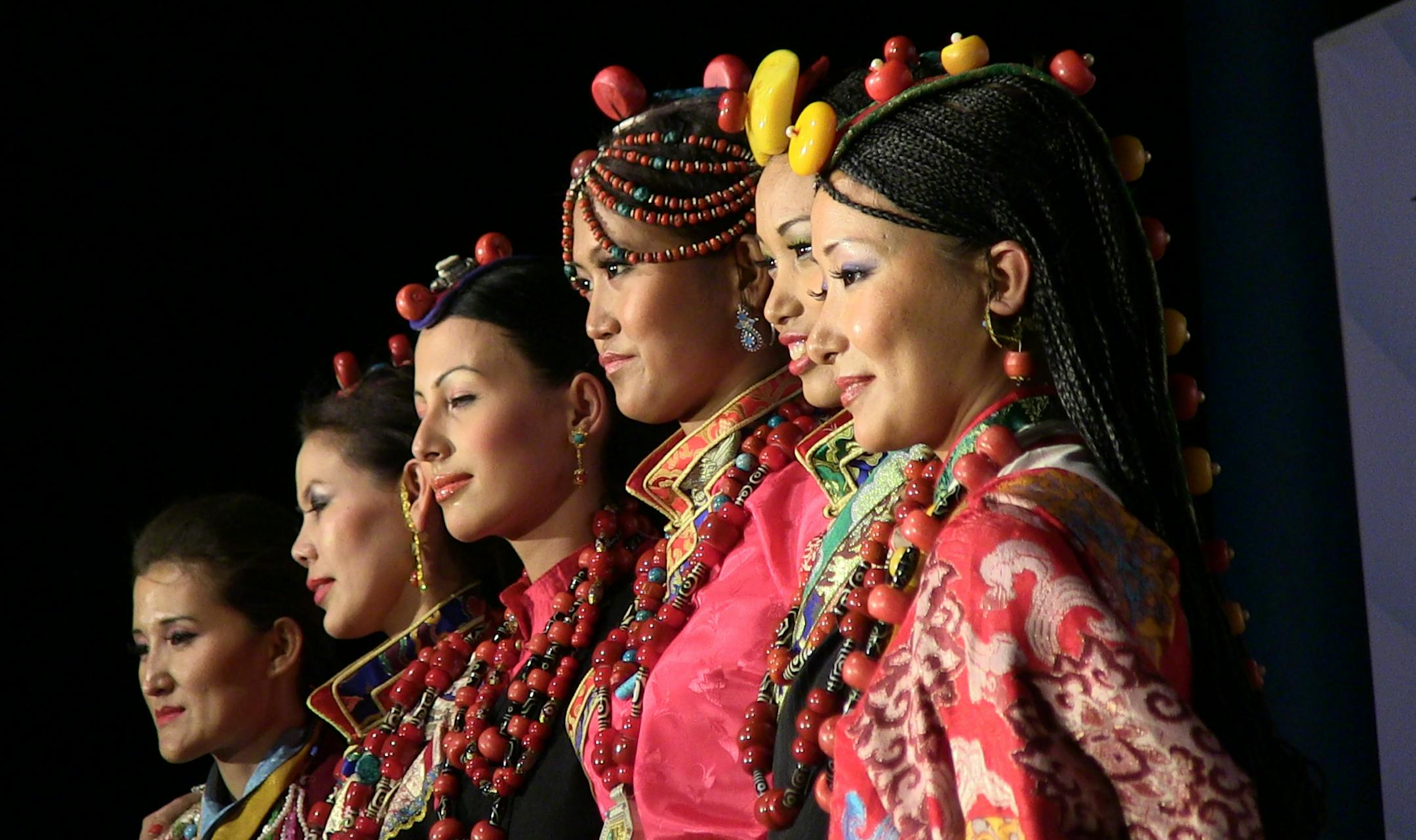
What's most surprising about the Miss Tibet beauty pageant held in Dharamsala, India, is not that none of the contestants live in the country it's named for. It's that the "talking" round is so much more popular with audiences than the swimsuit competition.
The reason, says Minneapolis filmmaker Norah Shapiro, is that the Tibetans displaced after the Chinese government seized control of the country in the 1950s see the pageant less as eye candy than as a way to keep their plight in the international eye.
"This pageant is really a lens into what it's like for young Tibetans to live in exile," said Shapiro, whose documentary "Miss Tibet: Beauty in Exile," screens at 7:30 p.m. April 18, as part of the Minneapolis St. Paul International Film Festival. That showing is already sold out, so another was added April 26 at 3 p.m.
The film follows 19-year-old Tenzin Khecheo's journey from Minnesota to the pageant as a finalist in 2011. Shapiro had already been following the unusual event marked by East/West, ancient/modern cultural contrasts for a few years when she met Khecheo through a local Tibetan activist. The two quickly formed a strong connection.
"I had thought the elders would be against the idea of a pageant, but I found across the board the Tibetans I talked to saw it as a political platform," she said, in her studio off Loring Park. "So I was looking into what that was all about, but Tenzin's personal story sort of took over."
"Fate wanted us to meet," chimed in Khecheo, who had just come from a class at nearby Minneapolis Community and Technical College.
The Twin Cities area is home to the second-largest community of displaced Tibetans in the country. Many, like Khecheo and her family, live in Columbia Heights. Although Khecheo got a plane ticket to India as her prize for winning the Miss Tibet North America pageant in New York (after first winning one in Minnesota), the rest of the trip expenses, including her gowns and airfare for her mother and sisters, were earned by her mother in her housekeeping jobs at two hospitals.
"My mom, who has never been to Tibet, either, is my role model," Khecheo said. "She wanted to help me not only find my own voice as a Tibetan woman, but get a chance to help the larger population."