

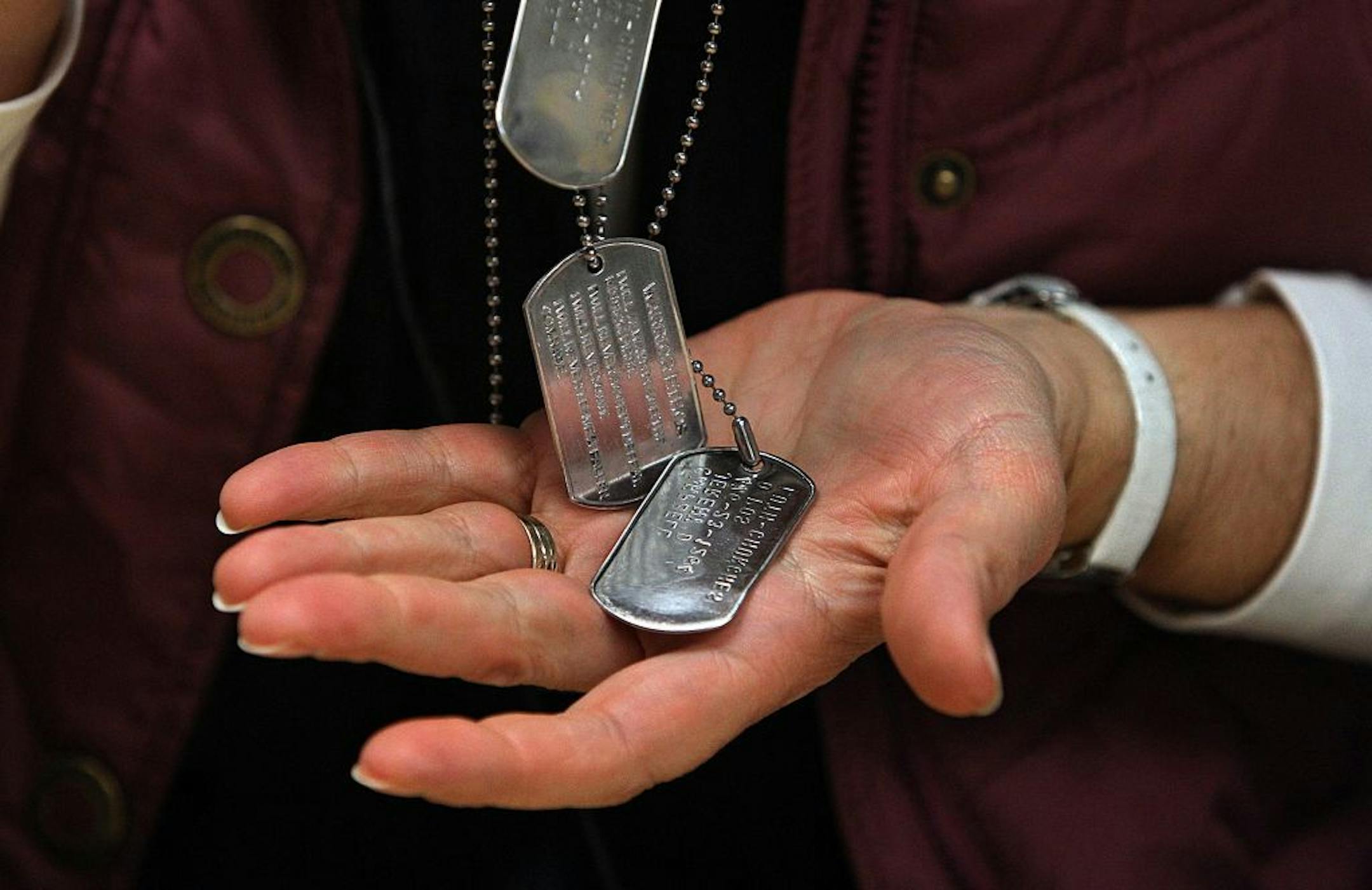
WASHINGTON - For U.S. troops, less combat is not translating to less stress. Members of the military committed suicide at a record pace in 2012 — almost one per day — and some experts think the trend will grow worse this year.
Pentagon figures obtained Monday by The Associated Press show 349 suicides among active-duty troops last year, up from 301 the year before and exceeding the Pentagon's own internal projection of 325.
Last year's total is the highest since the Pentagon began closely tracking suicides in 2001. It exceeds the 295 Americans who died in Afghanistan last year, by the AP's count.
The Pentagon has struggled to deal with suicides, which Defense Secretary Leon Panetta and others have called an epidemic. The problem reflects severe strains on military personnel burdened with more than a decade of combat in Afghanistan and Iraq, and is increasingly complicated by anxiety over the prospect of being forced out of uniform as defense budgets are cut.
"Now that we're decreasing our troops and they're coming back home, that's when they're really in the danger zone, when they're transitioning back to their families, back to their communities and really finding a sense of purpose for themselves," said Kim Ruocco, whose husband, Marine Maj. John Ruocco, killed himself in 2005. She directs a suicide prevention program for a support group, Tragedy Assistance Program for Survivors, or TAPS.
One such case was Army Spc. Christopher Nguyen, 29, who killed himself in August at an off-post residence he shared with another member of the 82nd Airborne Division at Fort Bragg, N.C., according to his sister, Shawna Nguyen.
"He was practically begging for help, and nothing was done," she said in an interview.
She said he had been diagnosed with an "adjustment disorder" — a problem of coping with the uncertainties of returning home after three deployments in war zones. She believes the Army failed her brother by not doing more to ensure that he received the help he needed before he became suicidal.


