

North Florida men's basketball coach Matt Driscoll worked as he spoke, directing pieces across the wooden surface, leading with conscious ideas of spacing and positioning as he prepared for the night's event.
Company was coming over to his house, and the deck needed to be cleared.
"I just received my 'honey-do' list," Driscoll said with a chortle Friday. "I don't think there are a lot of high-major coaches out there that are out there cleaning out gutters and clearing off their decks right now."
OK, that might be true. But the reality is, in a shifting college basketball landscape, the advantages of high-majors over smaller, non-BCS schools are, as a whole, shrinking.
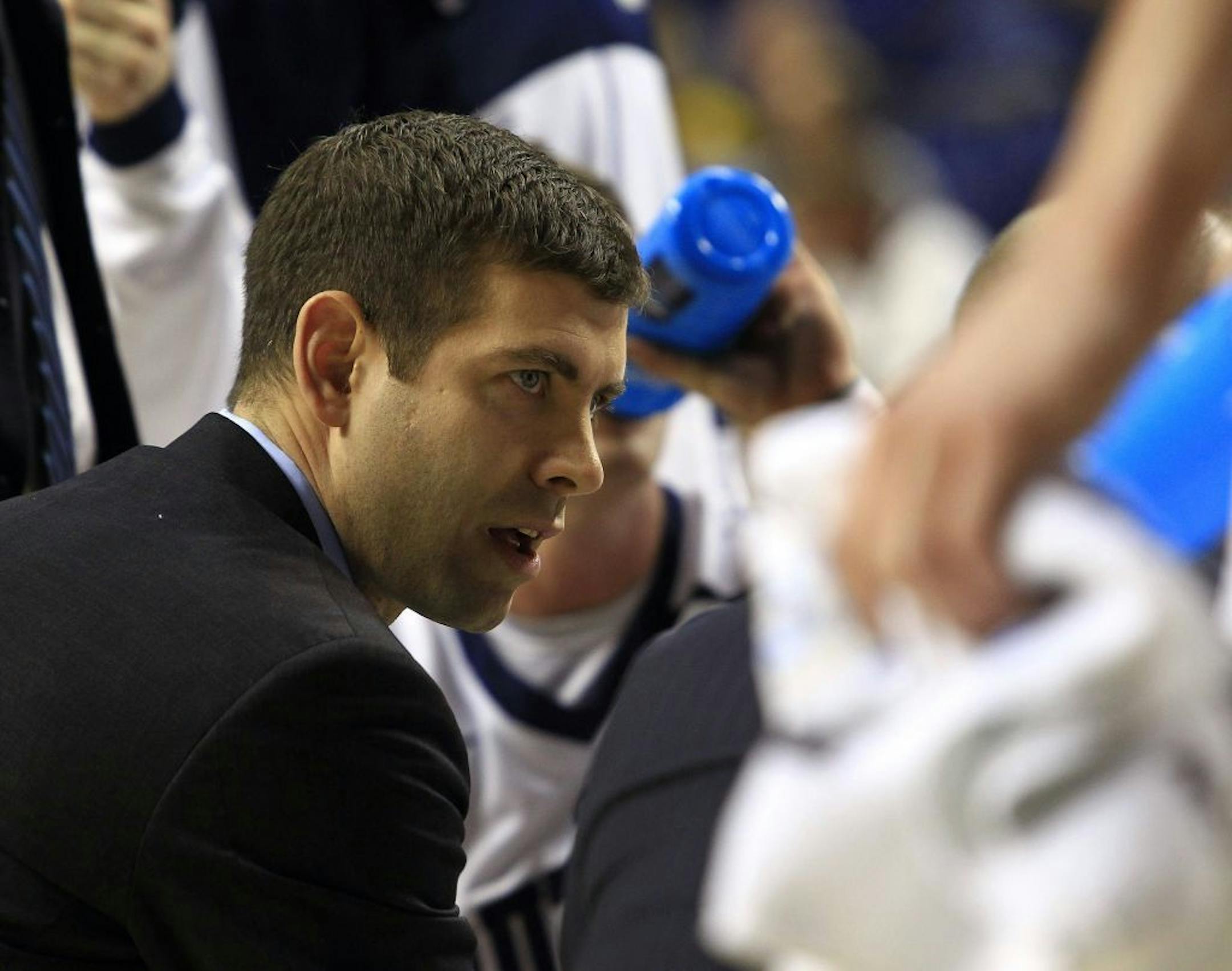
In recent years, schools and coaches in smaller conferences — led by those like Gonzaga's Mark Few and Butler's Brad Stevens — are feeling the difference. Salaries have gone up. Publicity has expanded. Recruiting is easier. Winning? Hey, you can do that, too, without having to leave the small program you helped build.
As a result, midmajor coaches have become more comfortable, more successful and suddenly less attainable for programs like Minnesota. The Gophers reportedly had interest in at least two such coaches — Stevens and Virginia Commonwealth's Shaka Smart — in their search to replace the fired Tubby Smith. UCLA also reportedly wanted both of them but announced Saturday it has hired New Mexico's Steve Alford, who also previously coached at Iowa.
This past week, Smart signed a contract extension through 2023 with VCU, while Stevens is reportedly happy at Butler.
"There's no question things have changed significantly," said Dan Muller, a longtime Vanderbilt assistant who just finished the first year of his first head job at Illinois State. "A lot of times, that shinier job isn't always the better job."


