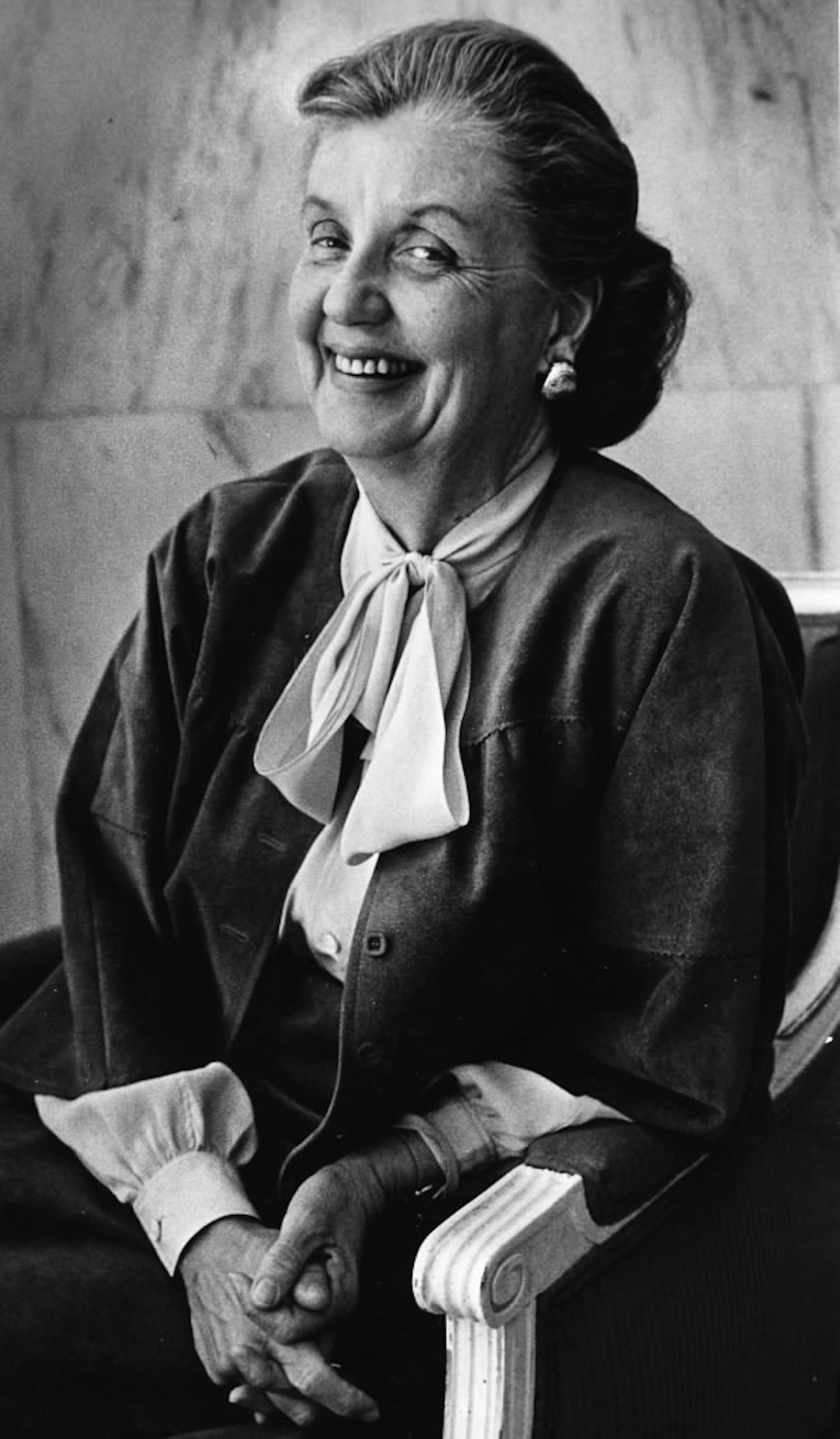
She lived much of her life in New York City luxury, but Mary Griggs Burke never forgot her Minnesota roots.
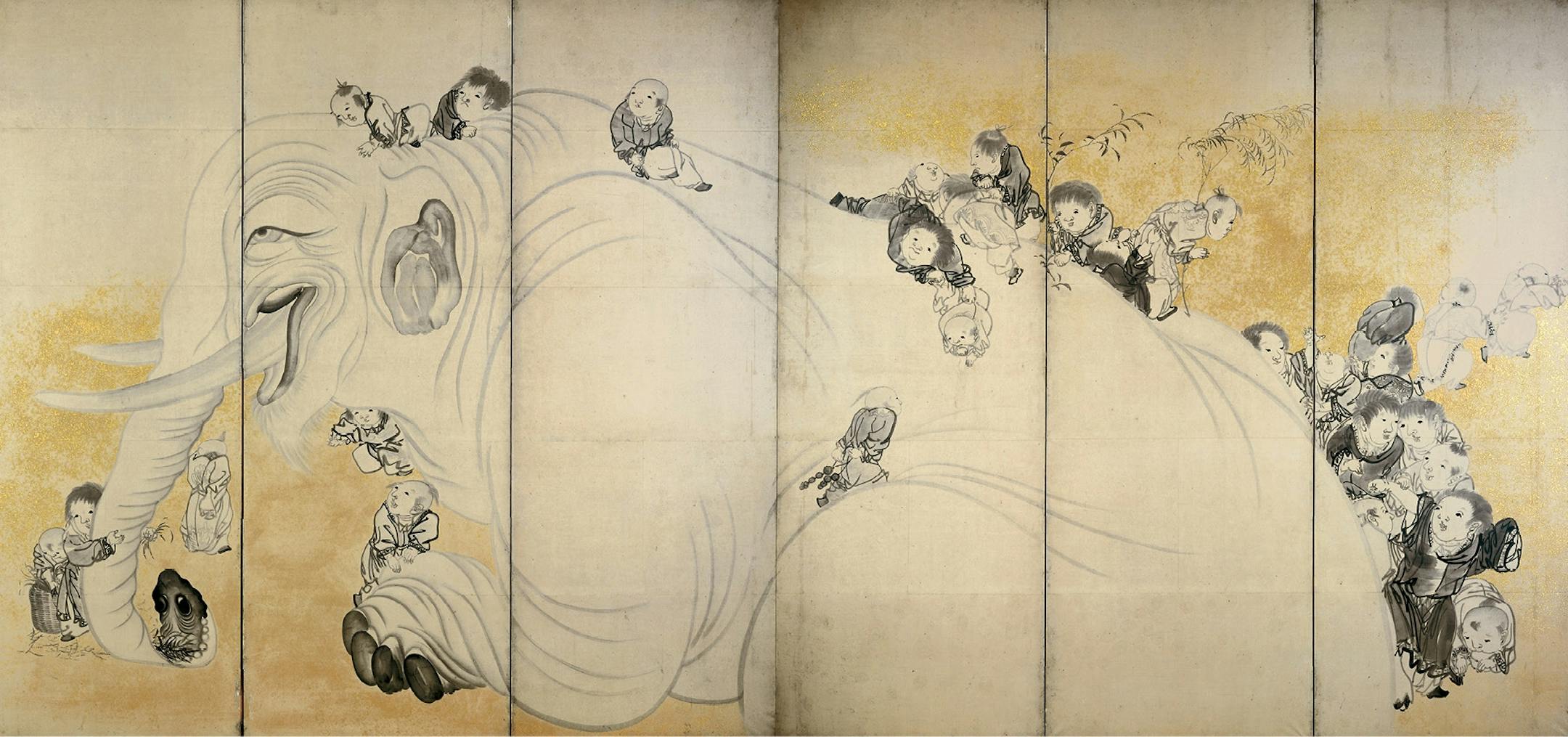
Museums around the world courted her, hoping she would bequeath to them her legendary collection of Japanese art, but it was to the Minneapolis Institute of Arts that she left the bulk of it: 700 pieces of rare Japanese and Korean art, spanning 5,000 years, along with a $12.5 million endowment.
The bequest from Burke, announced Monday, catapults the Minneapolis museum's Japanese collection into the top tier of U.S. museums.
"It is a transformative gift," said Matthew Welch, the museum's deputy director and chief curator. "We have great strength in certain schools, but this really gives us depth. And in the area of ceramics and lacquer, it is a treasure trove of pieces not presently referenced in the collection at all."
Burke, who died in 2012 at 96, assembled what was considered the finest private collection of Japanese art outside of that country. More than 170 items from Burke's gift will be shown in a special exhibition opening in September.
Burke also bequeathed 320 pieces of Japanese and Korean art and an additional $12.5 million to the New York's Metropolitan Museum of Art, where she was a longtime trustee. "It is inconceivable that a collection comparable to hers could be assembled today," said the Met's director, Thomas Campbell.
Born in St. Paul in 1916, Burke grew up in an Italianate palazzo on Summit Avenue that she later donated to the Minnesota State Arts Board. The family fortune came from investments in lumber, railroads and utilities.
After graduating from Sarah Lawrence College in 1938, she earned a master's degree in clinical psychology from Columbia University. She made her first trip to Japan in 1954 at the suggestion of architect Walter Gropius, who was designing a modernist house for her on Long Island. Impressed by the country's unspoiled landscape and the attention to beauty in everyday life, she began studying Japanese art at Columbia and New York University.