

 3:12
3:12In his first game at Chanhassen High School this fall, Raymonte Maynard streaked down the field for a 73-yard touchdown. Maynard had joined the team only weeks before the season began after transferring from Minneapolis Washburn, and was elected the school's homecoming king by the fourth game.
There were several other rare — for Minnesota — high-profile tales from the recently completed football season. Cretin-Derham Hall defensive end Jashon Cornell was touted by ESPN as the best high school junior in the country. Alabama, which seldom recruits in Minnesota, received a commitment from East Ridge offensive lineman J.C. Hassenauer. And Minneapolis Washburn senior Jeff Jones openly flirted with a last-minute transfer to Eden Prairie, which went on to win its third consecutive Class 6A football championship.
The personal stories each had a common link: a self-described mentor and college recruiting maverick named Levi Bradley.
"My biggest role is being an advocate for these kids to get as much exposure as possible," said Bradley, whose role has been criticized by several prominent state high school coaches. "I don't look for these kids. These kids have come to me."
Bradley, who has been linked with at least four first-team Star Tribune All-Metro football stars, is the Midwest recruiting director for Unsigned Preps, a Florida-based organization that promotes potential college recruits and represents a new wrinkle in Minnesota in the sometimes contentious world of college football recruiting. For some players, many of them black, Bradley has taken over the role formerly played by high school coaches, some of whom find themselves being criticized by parents for falling behind in matching players with the best colleges.
At a meeting of local high school athletic directors in early October, Eden Prairie football coach and AD Mike Grant said he warned officials that coaches were losing influence with star players who attend countless offseason football camps and clinics and seek additional help getting noticed in the recruiting game.
"Other people are filling the void of what the high school coach used to do — and that's not a good thing," he said.
Bradley's emergence comes as the NCAA, the governing body for major college athletics, has placed more scrutiny on agents and last year expanded the definition to include anyone who marketed an athlete's ability for financial gain or received a benefit from getting an athlete into a school. The NCAA strictly prohibits student-athletes from getting benefits from "agents and advisers."
![Levi Bradley walked the sidelines taking pictures during a game Chaska' played Chanhassen in Chanhassen Min., Friday, September 6, 2013. ] (KYNDELL HARKNESS/STAR TRIBUNE) kyndell.harkness@startribune.com](https://arc.stimg.co/startribunemedia/3H7VL77HSLP2NQSW36ZCHNBZZQ.jpg?&w=1080)
![Washburn running back Raymonte Maynard was tackled by South high defenders durning high school football action between South High and Washburn in Minneapolis, Minnesota Friday September 7, 2012. ] Jerry Holt/ STAR TRIBUNE.COM)](https://arc.stimg.co/startribunemedia/6MKV23TTHFOVL4NFFMVQBWXHGU.jpg?&w=1080)
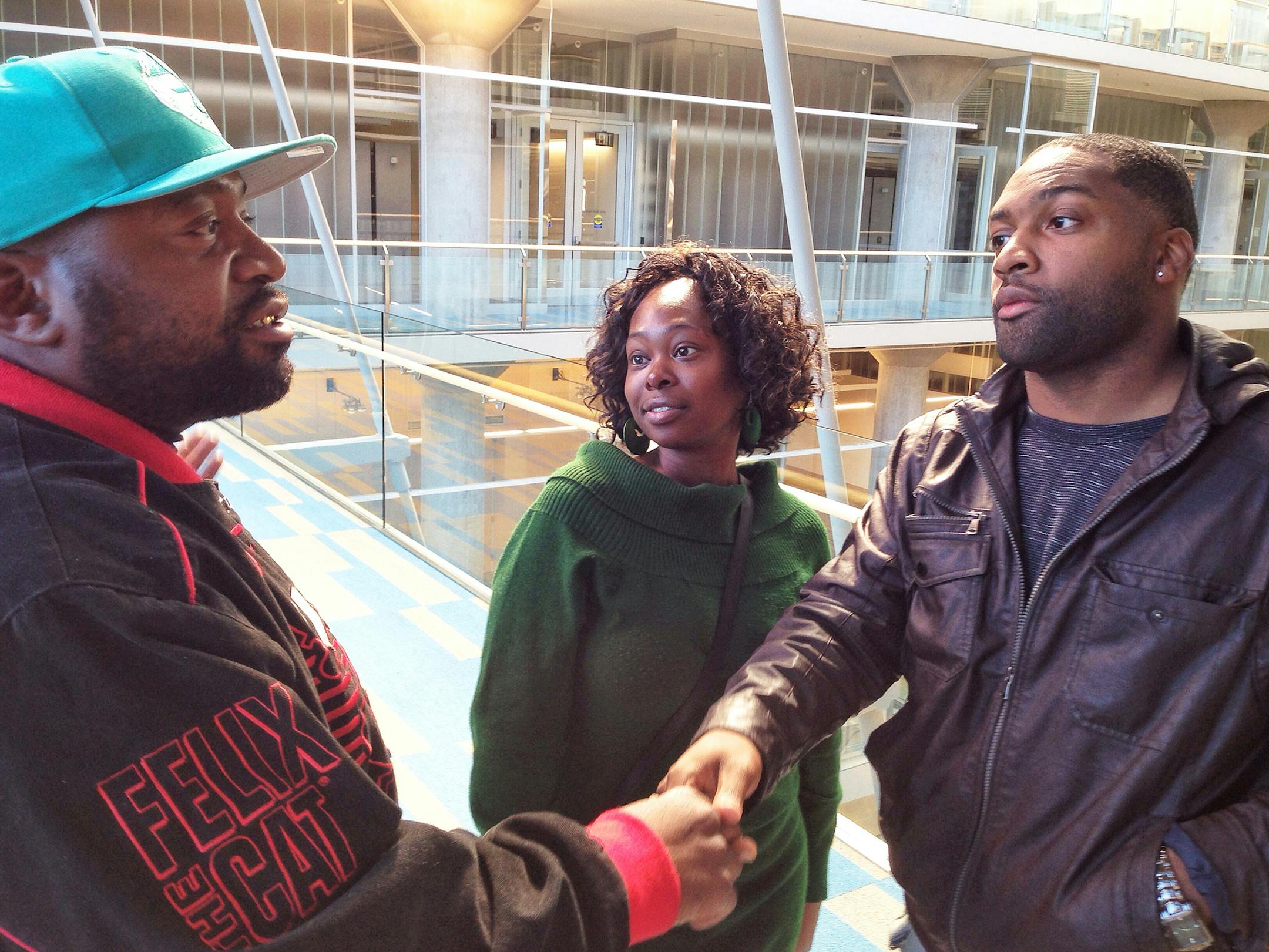
![East Ridge center J.C. Hassenhauer talked about work he did to prepare him to play Division1football after practice in Woodbury, Wednesday September 11, 2013. ] (KYNDELL HARKNESS/STAR TRIBUNE) kyndell.harkness@startribune.com](https://arc.stimg.co/startribunemedia/S4OIMURZM6L6KMTMM24EFJ5WE4.jpg?&w=1080)


