

It's hard to recall a more cumulatively emotional week-plus stretch of time in Minnesota sports than the one we just experienced. Quite possibly we need to go back to 2006 and the untimely death of Kirby Puckett for a comparison, but even this last week felt heavier because of the news coming on multiple fronts.
The heaviest piece of news, by far, was the death of Flip Saunders a week ago Sunday. A few days later, the retirement of Jerry Kill because of health concerns — not a death, but still something that brought out plenty of emotion and thoughts of mortality by its nature — added to it. Since then, games have been played. They have offered a diversion in some cases, while at the same time forcing thoughts back to the heaviness of the overall situations as well.
We've all considered and dealt with the week in different ways. In writing about it, there has been a push-pull of detaching from the emotion of it all in order to deliver the most relevant pieces of stories for mass consumption while also being pulled back in quieter moments to the simple facts. A respected, beloved man is dead. Another has had his career taken from him. Those are big, sad, overwhelming things to consider in your own life.
As such, it's hard to even imagine what it's like for those much closer to the situations. On the Timberwolves and Gophers football team, this almost exclusively relates to men.
Read any psychology text, and you're likely to find references to gender roles and some version the idea that "restricting emotions is a staple of traditional masculinity." We're used to hearing male athletes in particular say that games offer them an escape from pain — and their stoicism and ability to push through is lauded in the process.
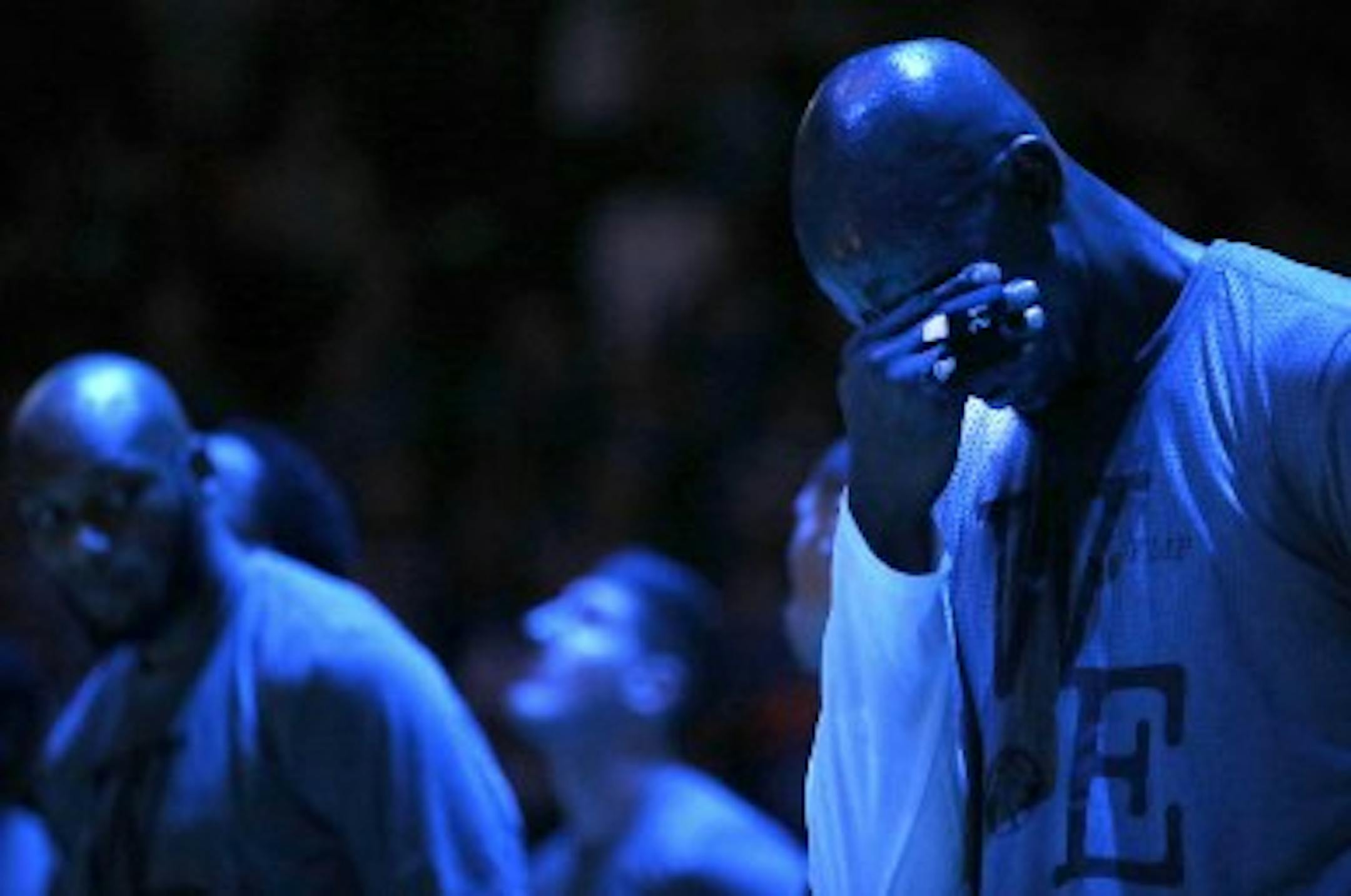
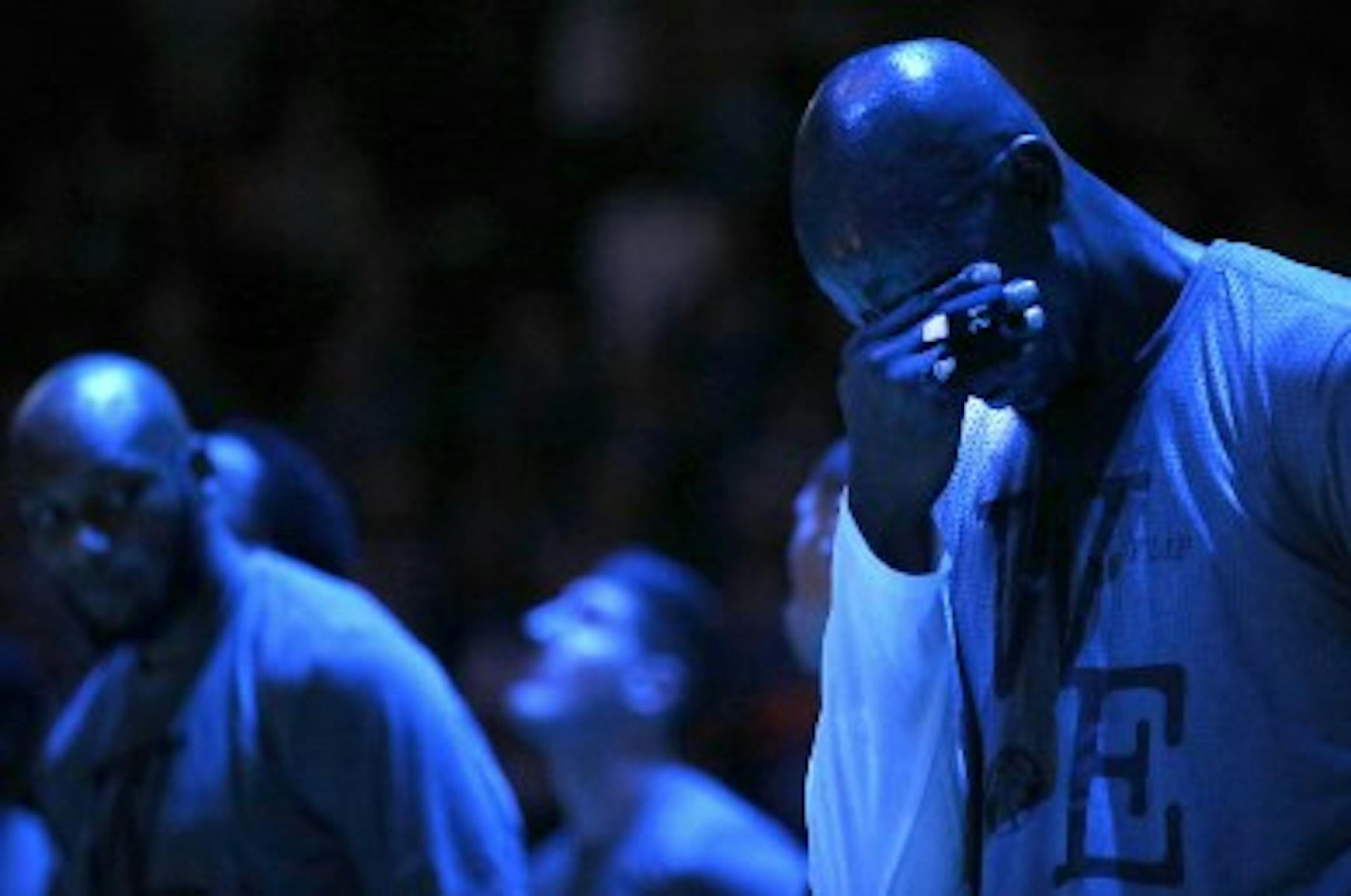
It's not to say that's right or wrong because everyone grieves and processes in their own way. But I will say it has been refreshing to me in the midst of this difficult time to find multiple examples of local male sports figures freely showing their emotions. Quite contrary to what tradition tells us, this isn't a sign of weakness but rather a sign of healing, strength and positive mental health.
The examples that stick most notably in my mind — though this is by no means a complete list: Jerry Kill, Milt Newton, Karl-Anthony Towns and Kevin Garnett.
Kill gave one of the most emotional news conferences I have ever seen last Wednesday in announcing his retirement. He spoke honestly and openly, breaking down in tears on multiple occasions.


