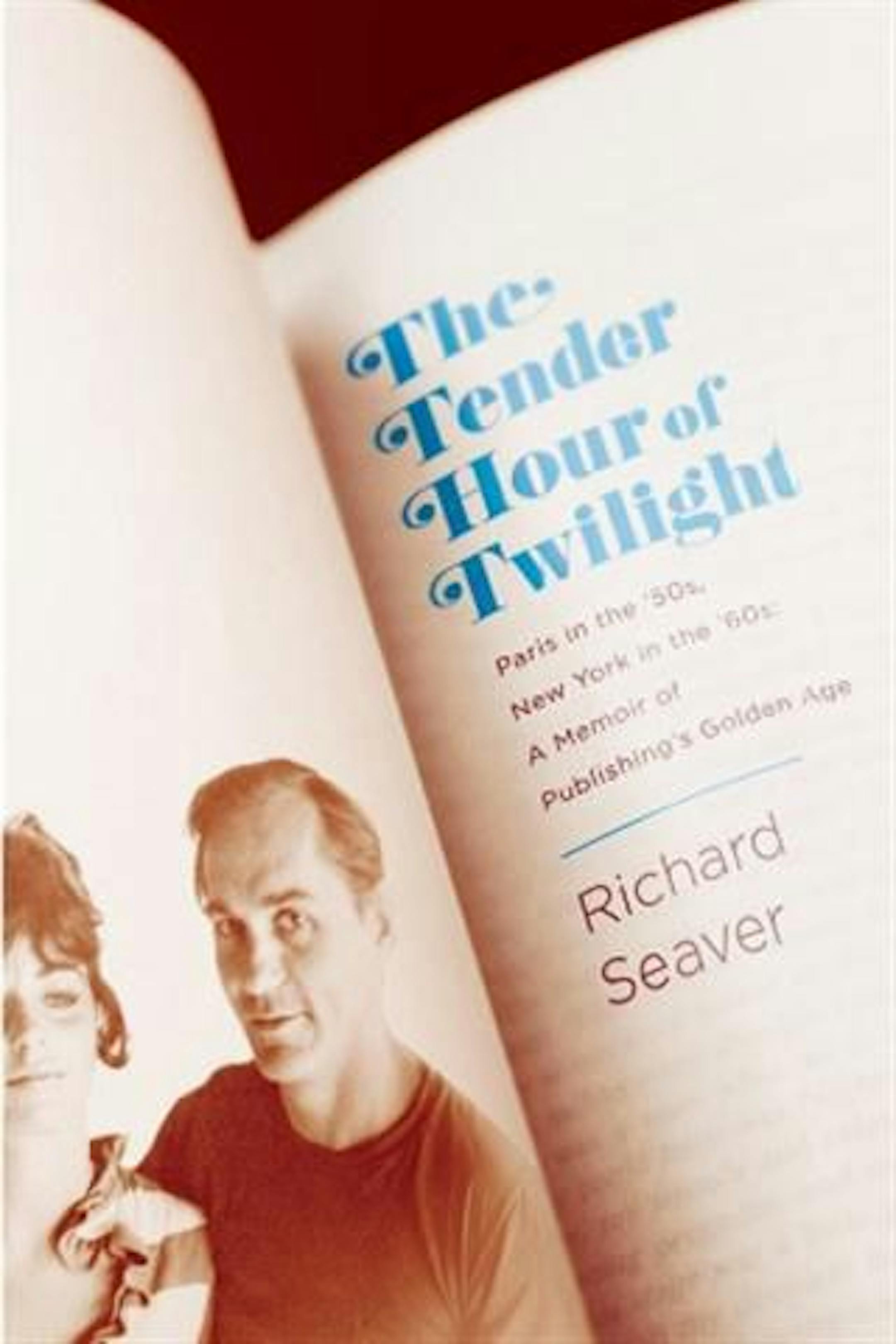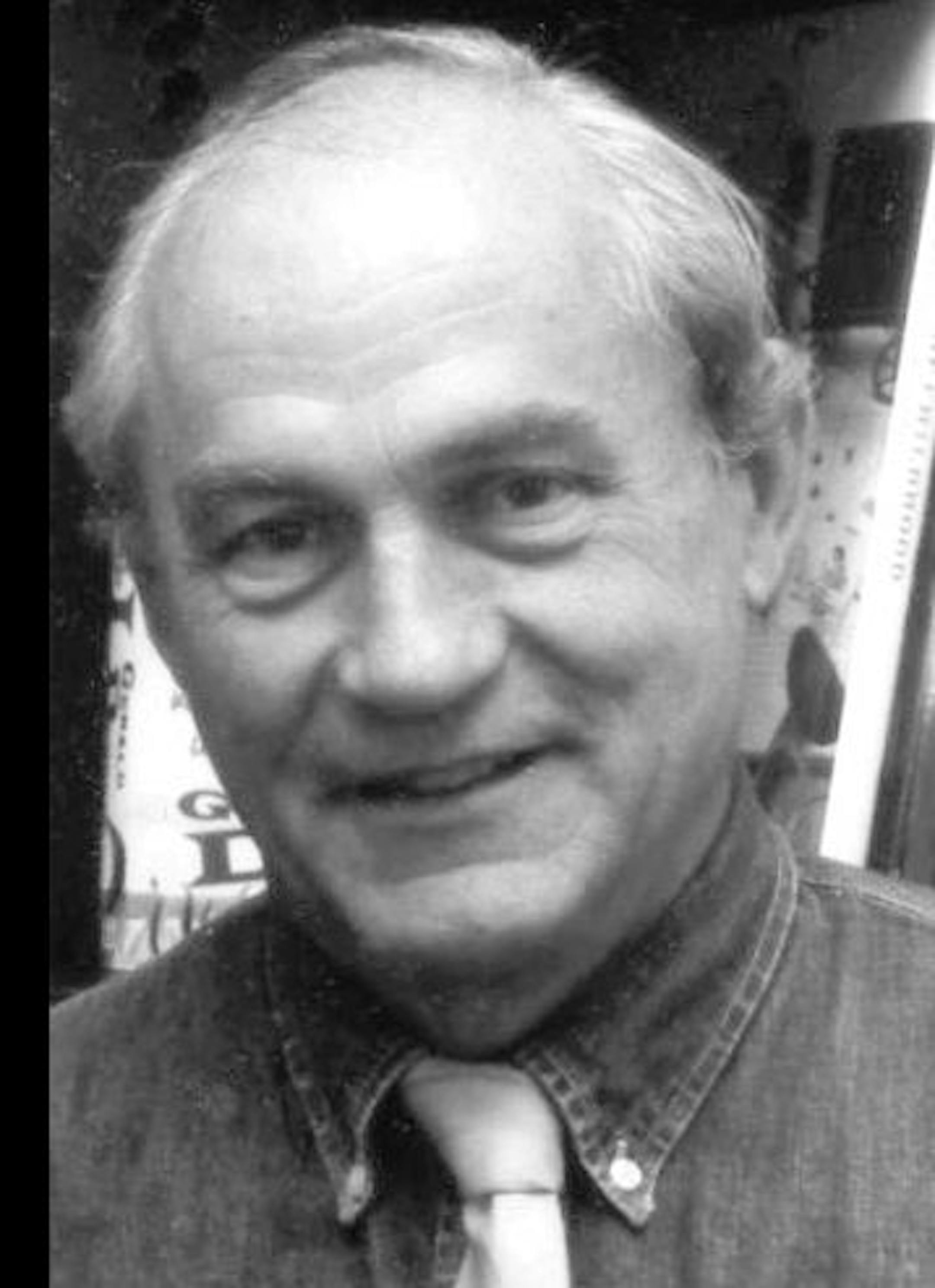
In 1951, Richard Seaver, an American expatriate living in Paris, stumbled upon two novels, "Molloy" and "Malone Dies," written by Samuel Beckett. Full of wordplay, erudite, darkly comic, profound, masterfully tight and taut, they knocked him out. Why, he asked, was no one reading Beckett? In time, Seaver became champion, editor and translator for the elusive and reclusive Irishman and for many other great modernist writers.
Posthumously published, "The Tender Hour of Twilight" recounts Seaver's experiences at Merlin, an English-language literary magazine, and as editor-in-chief of Grove Press, which published Beckett, Jean Genet, William Burroughs, Eugene Ionesco, Harold Pinter and Tom Stoppard -- and challenged censorship laws by introducing American readers to "Lady Chatterly's Lover," "The Tropic of Cancer" and the "Story of O." Candid, charming and enlivened by more than a soupçon of high-toned gossip, the memoir is testimony to a love affair with literature, and a life lived in service to it.
Seaver is especially adept at re-creating the sights, sounds and sensibility of postwar Paris. Lodgings, he recalls, were incredibly cheap. A hotel room with "eau courante" (running water) cost 30 cents a day. Around the corner was a public bath, where for a few francs he could get a hot shower and even "a 'douche double,' two for the price of one, the sex of your co-showerer up to you, no questions asked."
In café terraces and street- corner encounters, Seaver notes, Parisians smoked and talked "at the same time, without using their fingers." Only in the City of Lights could his friend, Armand the plumber, have the sophistication, interest and opportunity to opine about the feud between Georges Braque and Pablo Picasso and dissect the positions of Jean-Paul Sartre and Albert Camus on literature and politics.
Seaver's account of his New York years is less compelling. He manages to convey, however, the idealistic culture of small publishing houses. If the numbers did not work at commercial firms, he claims, editors turned down manuscripts, even if they loved them, or lied about the bottom line. At Grove, editorial meetings were rare and profit and loss statements were never circulated. If the manuscript was good, well written and provocative, it got the green light.
Dependent on blockbusters, Grove dined out for a couple of years on "Games People Play," by psychotherapist Eric Berne. But by 1970, Seaver reports, Grove was a shell of its former self. He moved on, and has little to say about his time at Viking, Holt, Rinehart and Winston, and at Arcade, which he ran with his wife, Jeannette, other than to imply that it was not nearly as exhilarating or rewarding as his shelf life during the golden age of publishing.
Glenn C. Altschuler is the Thomas and Dorothy Litwin Professor of American Studies at Cornell University.