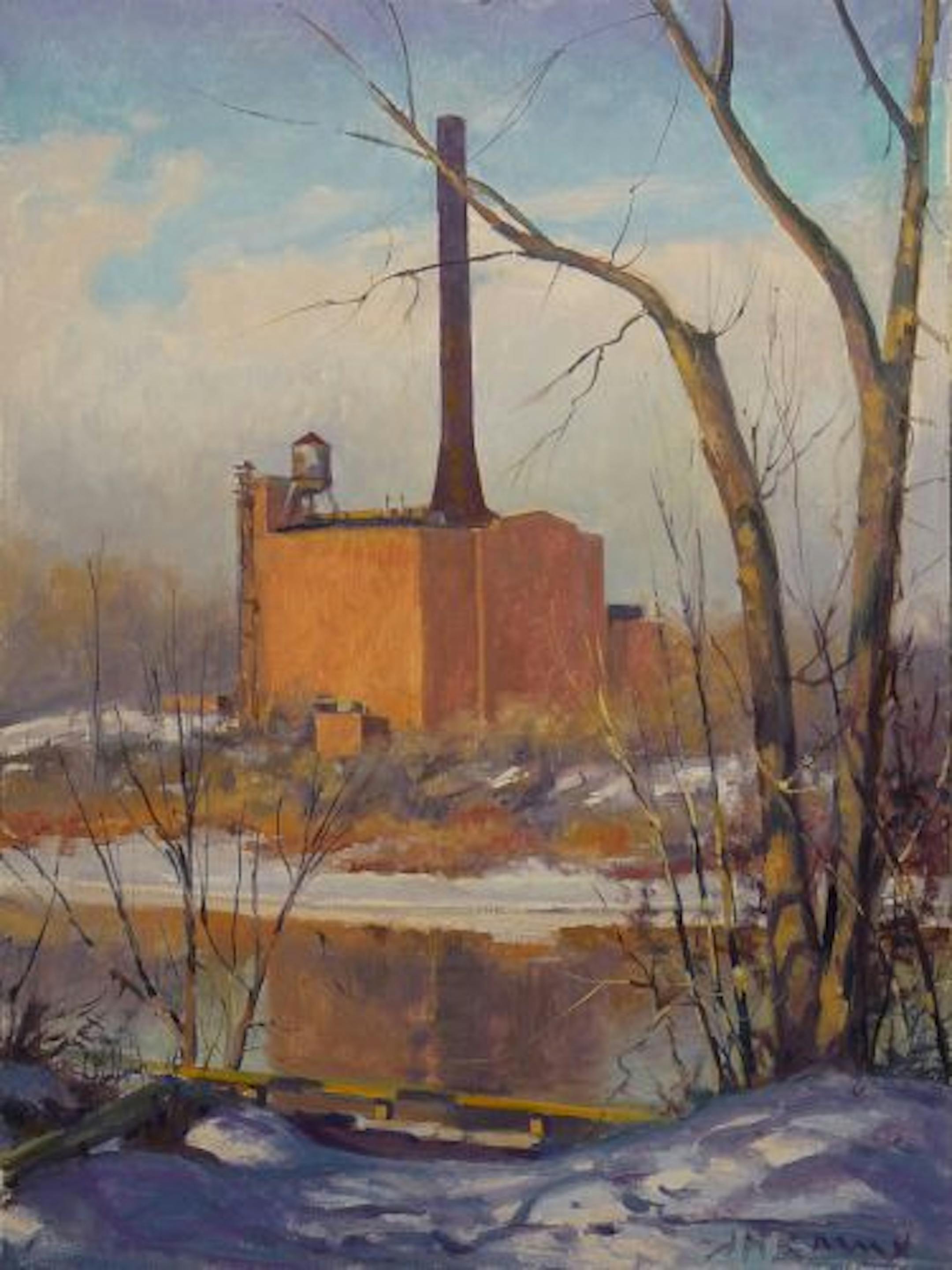
Biennial exhibitions, which are theoretically open to myriad applicants, have a nasty way of spiraling out of control and including way too much. Not so the biennial now on view at the Minnetonka Center for the Arts. Superbly focused and elegantly installed, the show redefines what a biennial can be. Instead of a sprawling sampler, the Minnetonka model offers several pieces each by nine artists working in different media, subjects and styles.
While all the artists are professionals, including college art professors, their work is not especially avant-garde or experimental. Instead, each effectively represents a well-crafted version of a traditional subject or style ranging from impressionistic still lifes to landscapes both realistic and abstract.
"We wanted visitors to see a concentration, a deliberate process or an attack on an idea," said Bob Boman, the center's exhibition director, who chose the artists. "Plus it was nice to include art in media that are also being taught here."
Washed by morning sun
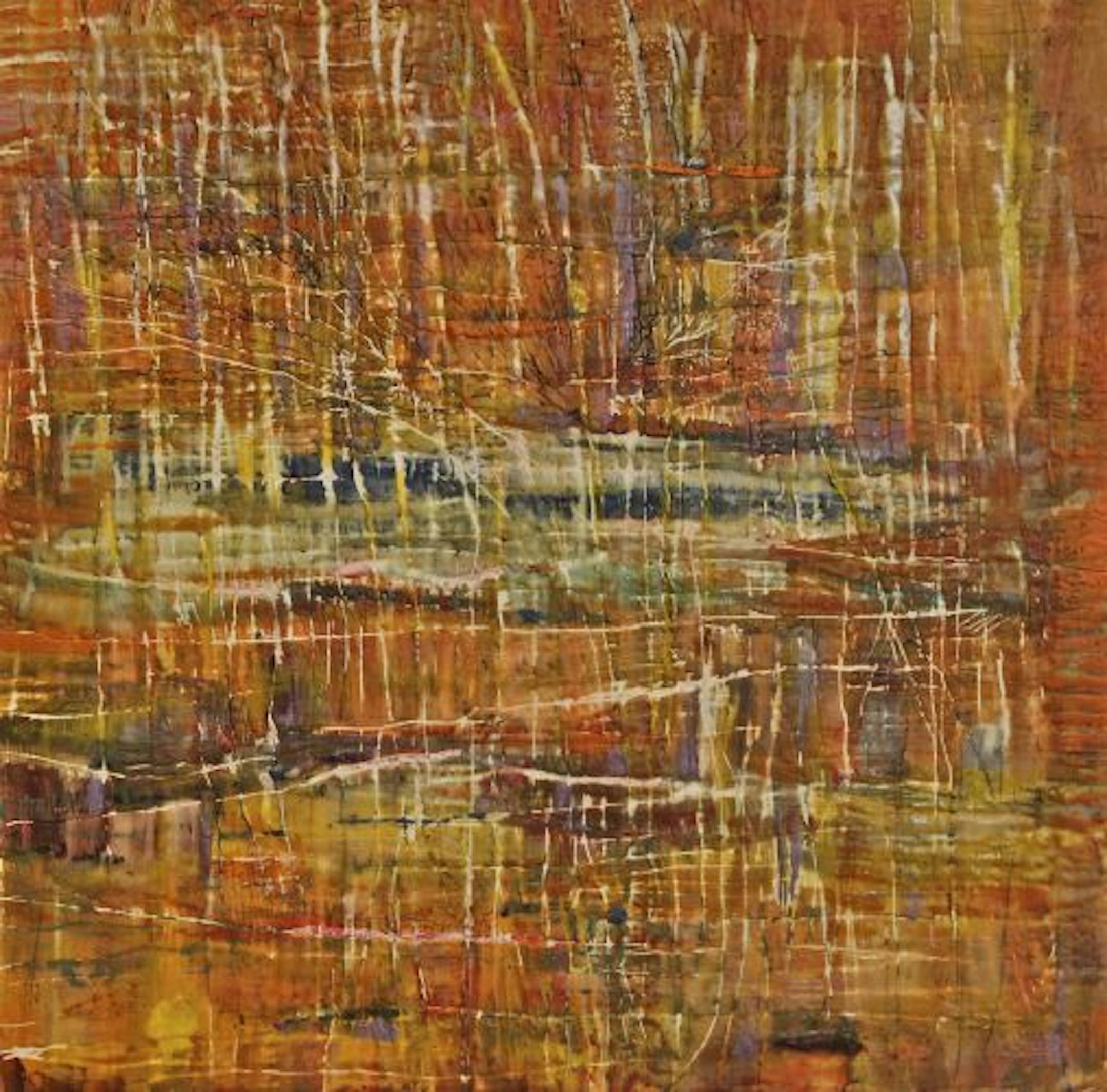
Korean-born Joonja Lee Mornes, for example, produces serene abstractions inspired by long grasses observed in varied light and different seasons. Her "Quietly Frost Arrived" is a meditation in taupe and blue with a welter of slender lines suggesting dried grasses tinged with early morning frost. In another painting, wavelike ribbons of pale green and gold provide a rhythmic undercurrent for the wind-rippled grasses of summer. Sun-washed morning light and blue-green evening shadows define other pieces.
Notebook-size still lifes by Kristin Grevich of Medina provide a neat contrast to Mornes' 6-foot-wide canvases. While her official subjects are oranges cuddling up to brass and copper pots, Grevich is really dealing with light, shadow and form in the manner of Old Master painters. She brings a lively brush to the task, shaping her fruits with a few deft strokes of tangerine and highlighting her gleaming kettles with flecks of ivory and yellow. There's a whiff of Cézanne in her faceted fruit, but more of Carolus Duran or Joaquin Sorolla in her deep, luscious shadows.
Mary Lingen of Backus, Minn., applies a designer's eye to landscapes of forest and prairie. Several of her paintings are composed as if they were designs for quilts or stained-glass windows, with linear trunks and branches silhouetted against multihued skies divided into irregular geometric forms. Bands of lavender shadow undulate through a stylized birch grove in "Winter 15," while the pink-toned meadow in "Prairie 3" is composed of quilt-like blocks of color.
Kandinsky-like