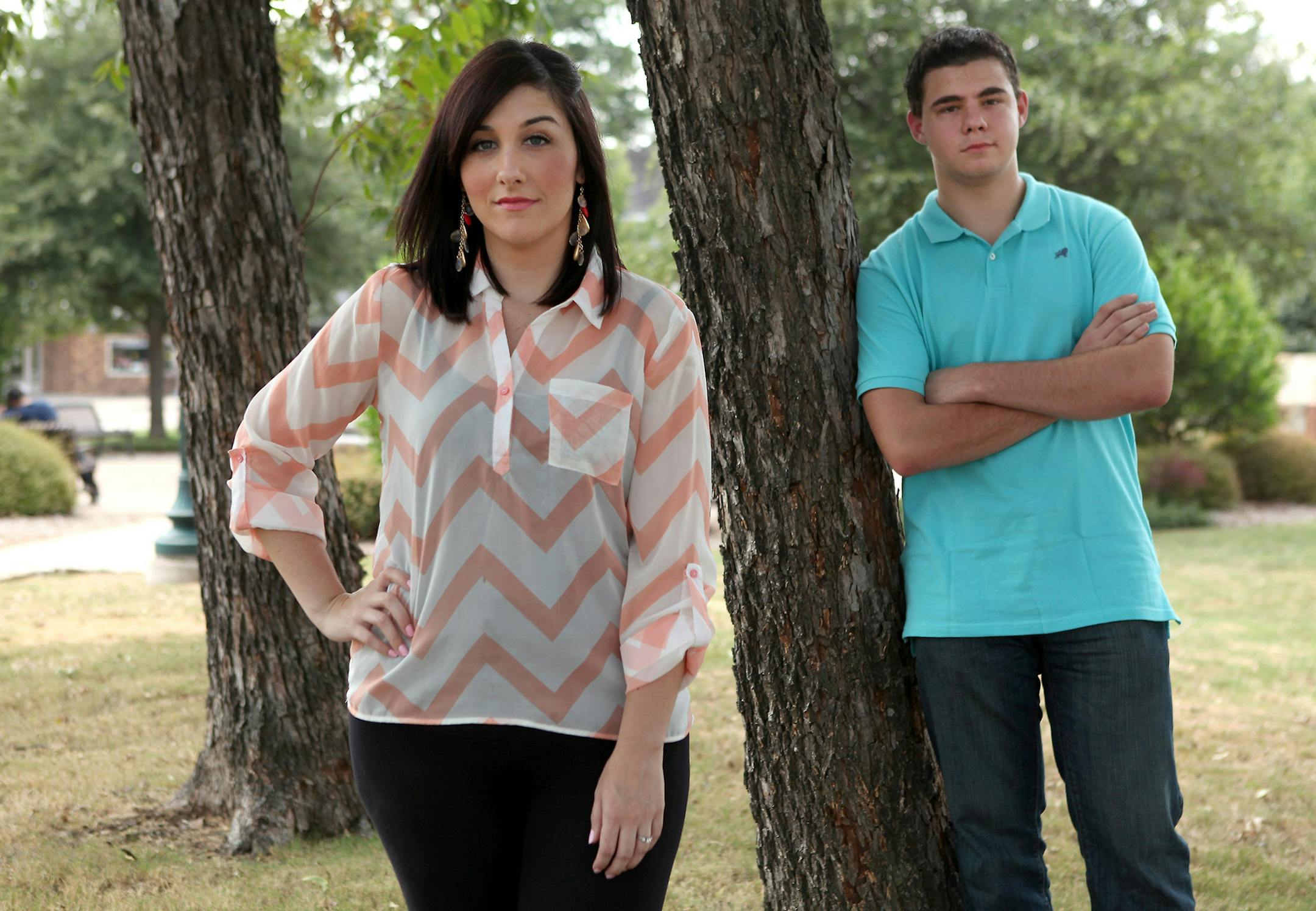
Nothing, it seemed, could get Cody Cifani to cut back on his daily energy drinks. Then the Texas 15-year-old had two espresso shots, followed by three Monster drinks, to pump himself up for his job at a car shop. Instead of the expected rush, he felt sick.
"It was a pounding feeling in my entire head," he said. "I was extremely fatigued, and I didn't want to move. It felt like a really bad crash. I felt really bad the entire day and had stomach pains when I woke up."
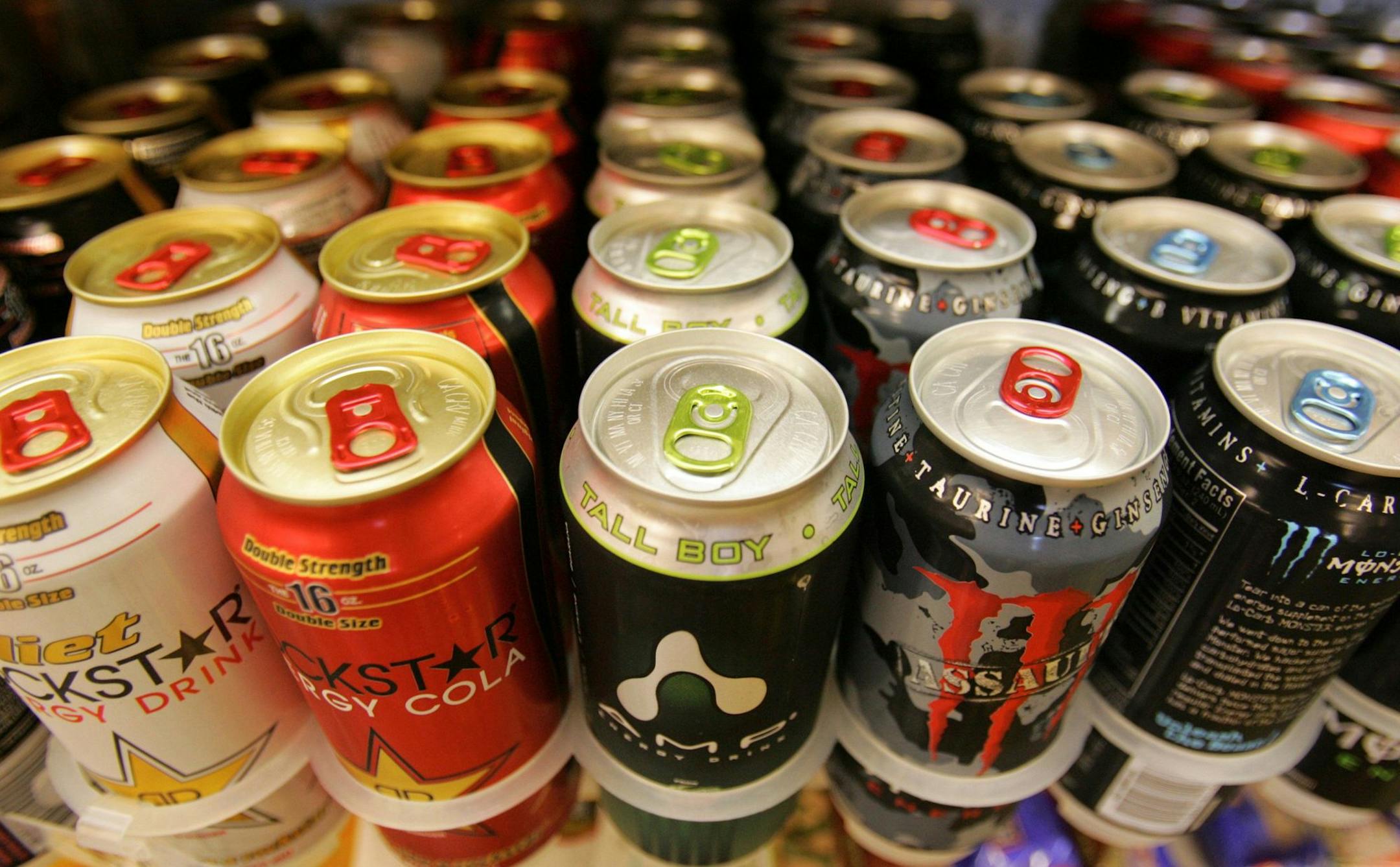
While energy drinks may look and taste like sodas, they are packed with significantly higher levels of caffeine. That may sound benign, but doctors note that caffeine is a stimulant that can, in excess, lead to convulsions, irregular heartbeat and, in extreme cases, death. A report from the Drug Abuse Warning Network, a U.S. public health surveillance system that monitors possible drug-related deaths and visits to hospital emergency rooms, noted 20,783 visits related to energy drinks in 2011 alone.
That's why, even as makers of the drinks say their products are safe and are not marketed to children, some health experts are warning parents to be wary.
The U.S. Food and Drug Administration says that sodas, which are classified as beverages, cannot contain more than 71 milligrams of caffeine per 12 ounces. (For comparison, a Coca-Cola Classic has 30 to 35 milligrams per 12 ounces, and a 16-ounce McDonald's coffee has 100 milligrams, according to the Mayo Clinic.)
If energy drinks are labeled as dietary food supplements, as some are, the FDA doesn't restrict the caffeine. Monster's Worx Energy contains 200 milligrams of caffeine in 2 ounces, Coca-Cola's NOS energy 260 milligrams in 16 ounces, and Rockstar energy 240 milligrams in 16 ounces.
Too, too much
That's way more stimulant than Dr. Marcie Beth Schneider, an adolescent pediatrician in Greenwich, Conn., believes any child should have.
She recently testified before the Senate Commerce Committee about her concerns.