

To the young Black man at a crossroads in Minneapolis:
I'm worried about you.
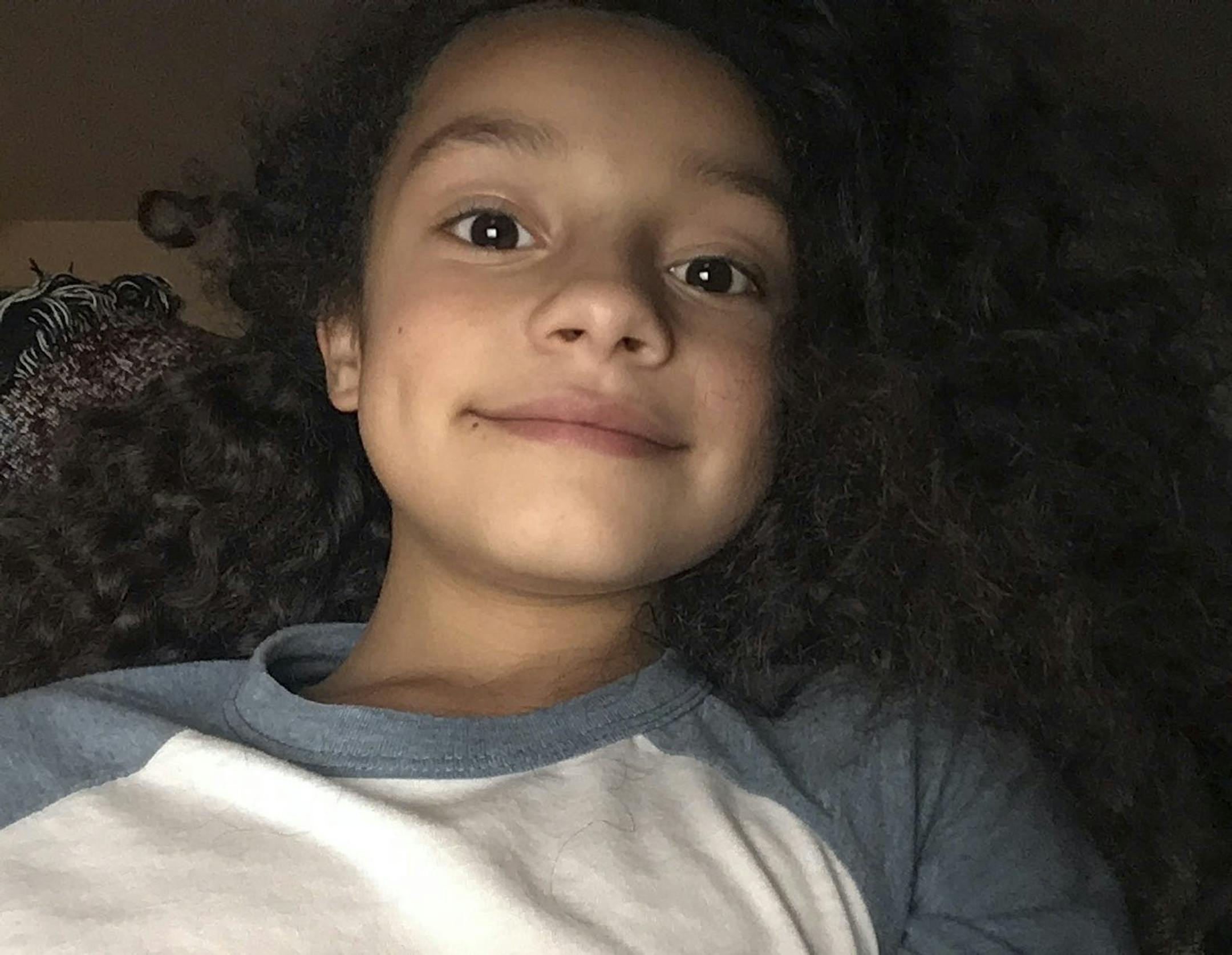
I was thinking of you after I got off the phone with north Minneapolis activist K.G. Wilson. I could hear the heartache in his voice. His 6-year-old granddaughter, Aniya Allen, died in a hospital last week after she'd been shot while riding in a car in Minneapolis. "I told Aniya that 'Papa is gonna get some justice for you,' " Wilson told me. "I'll die trying to make a difference if I have to."
On Thursday, Trinity Ottoson-Smith, a 9-year-old who was bouncing on a trampoline when she was shot in the head this month, also died. Ladavionne Garrett Jr., 10, who was riding in the back seat of his parents' car in Minneapolis when he was struck by a bullet, another victim of gun violence in Minneapolis, continues to fight for his life.
No parent deserves that pain. Our children have a right to live.
To the young Black man at a crossroads in Minneapolis: I've been thinking about you and the decisions you might make in the coming months and years. The decisions made by some young men I knew growing up that led to prison sentences and stole their best years. The decisions family members and friends discussed at the funerals of young men whose lives ended in violence before they were old enough to drive a car.
To suggest they had a choice, within the environments that nurtured them, is an incomplete explanation of the circumstances many young African Americans encounter from birth. Violence is not a Black thing. It's a human thing. When combined with easy access to firearms, systemic inequities and the racism that sustains them, poverty, misguided policing and unprocessed trauma, violence disproportionately affects our young men.
I don't get to judge you. To say I understand the daily choices you have to make or consider would be unfair. As a young man, I never felt like I needed to carry a gun to feel safe. But I believe those who did when they tell me it was a necessary accessory in their worlds.


