Duane is old.
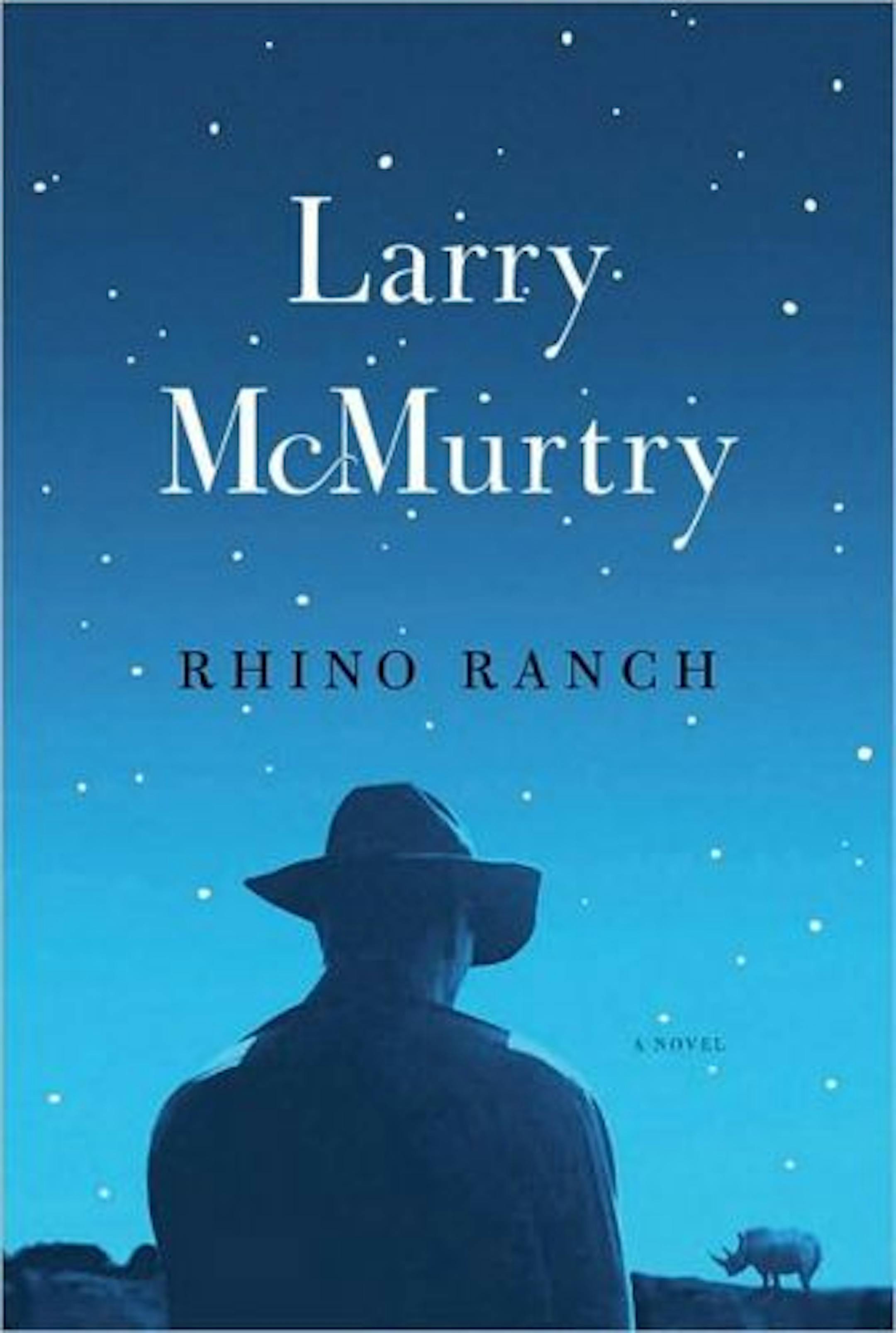
We know this, many of us, from the first page of Larry McMurtry's new novel "Rhino Ranch," because we have grown old with him.
We remember when Duane was young, young like us, when we met in "The Last Picture Show," McMurtry's 1966 coming-of-age novel set in the sleepy, don't-blink Texas town of Thalia, where Duane Moore was a supporting character to best-friend Sonny and the rich and beautiful and so self-absorbed Jacy.
They were young and appealing, bored and curious and obsessed with sex, tough and spirited yet achingly vulnerable. Of course we identified with them.
"Texasville" (1987) continued the alternately hilarious, wistful and sad story of life in and around and despite Thalia as Duane and his friends muddled through middle age. Having made and lost a lot of money in the oil business, Duane is a study in human frailty as he struggles with guilt, regret and disappointment over faded love, doubtful choices and withered aspirations.
When it came out in 1999, "Duane's Depressed" often was cited as the final installment of "the Thalia trilogy," funny and sad again, full of wit and whimsy and melancholy as Duane and friends entered or approached their 60s.
But it wasn't the end. In 2007, Duane returned in "When the Light Goes." And still it wasn't the end. He had to grow older still and ... well, it can't come as a spoiling surprise to anyone who cares: Duane had to grow old and die.
Early in "Rhino Ranch," McMurtry has Duane talking with Dr. Honor Carmichael, the psychoanalyst he first saw in "Duane's Depressed," to work through the mess of his life. He tells her he feels "marginal." She suggests another word: old.