

DALLAS -- Of the 27 coaches who have won Super Bowls, 18 never played a down in the NFL or the AFL. Nineteen if you include Sean Payton, who was a replacement player for three games during the NFL players' strike in 1987.
Twelve coaches have won multiple Super Bowls. Eight of those coaches weren't physically gifted enough to play in the NFL, yet mentally they helped write and direct nearly half a century's worth of football history, assuring that names such as Lombardi, Walsh, Gibbs and Belichick are never forgotten.
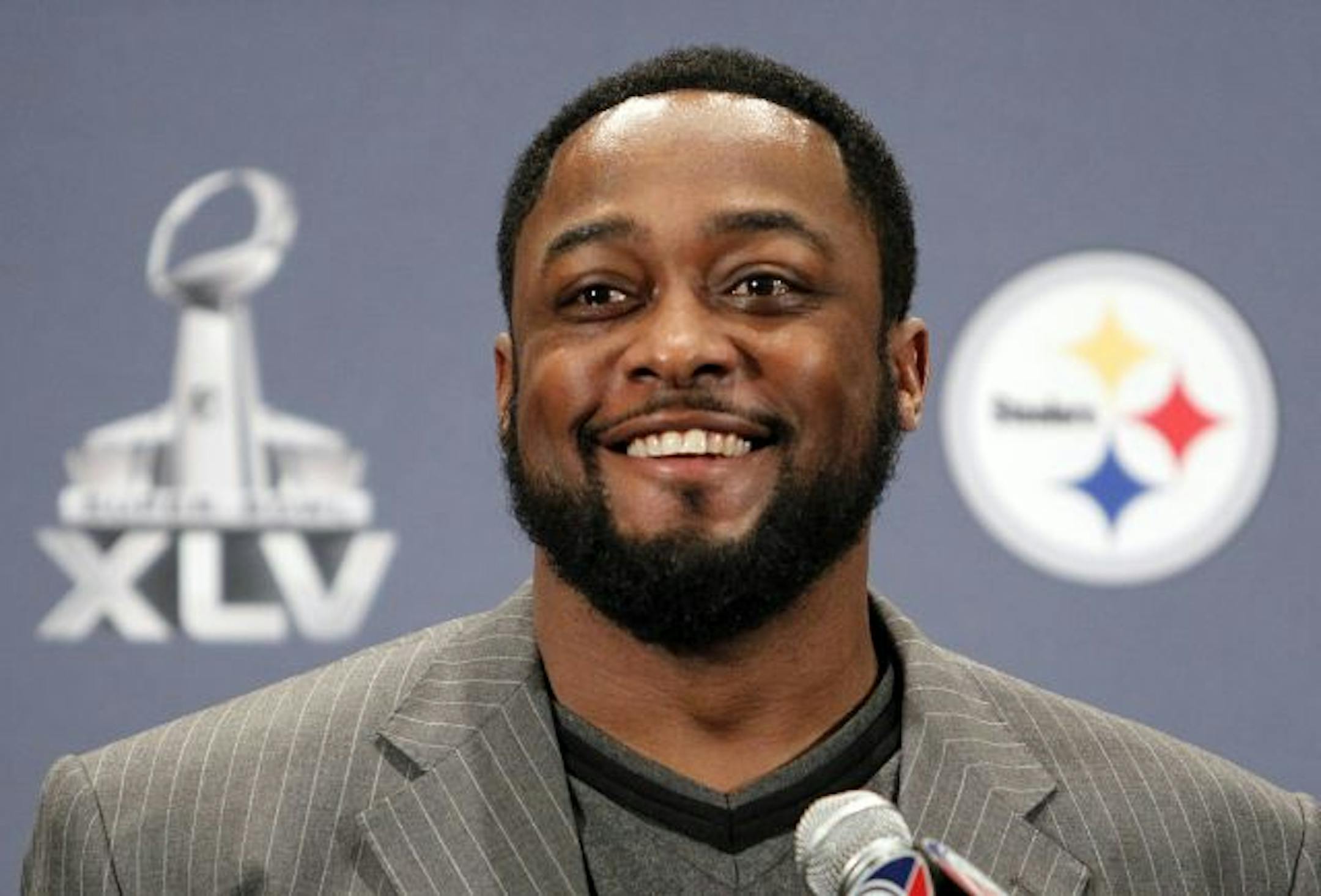
Sunday, regardless of the outcome, a coach who never played the game at its highest level will win the Super Bowl for the 31st time in the 45 years it has been held. Green Bay's Mike McCarthy would become the 20th to do so. Pittsburgh's Mike Tomlin would become the ninth to do it twice.
Career paths for coaches with no NFL playing experience have varied since 1939, when Lombardi took his first job as an assistant coach at St. Cecilia, a Catholic high school in Englewood, N.J. But the one thing these paths share are big dreamers with an unwavering drive to get to the top of a sport they weren't talented enough to play.
In the summer of 1989, 50 years after Lombardi started at St. Cecilia, McCarthy returned home to Pittsburgh to start his journey as an graduate assistant at the University of Pittsburgh. He came from Kansas, where he was a small-college tight end for Baker University, an NAIA school.
McCarthy wanted to learn the West Coast offense from Pitt's offensive coordinator, Paul Hackett, who learned it from the master himself, Bill Walsh, in San Francisco during the early 1980s. The fact it was an unpaid position didn't bother McCarthy. He grew up in the sturdy Pittsburgh neighborhood of Greenfield, where his father worked as a firefighter, police officer and bar owner.
Hard work was never a problem. So to support himself, McCarthy went to work on the midnight-to-8 a.m. shift in the toll booth on the Allegheny Valley exit of the Pennsylvania Turnpike, about half an hour outside the city.
"It didn't pay much," McCarthy said. "It was something that I felt I needed to do between graduating. You get your master's degree and you go collect tolls. That doesn't quite add up, but that was my plan and path."


