
Mayo wins FDA approval to test stem cell technique for heart patients

The FDA has OK'd a multistate clinical trial of 240 patients.

January 18, 2014 at 4:46AM
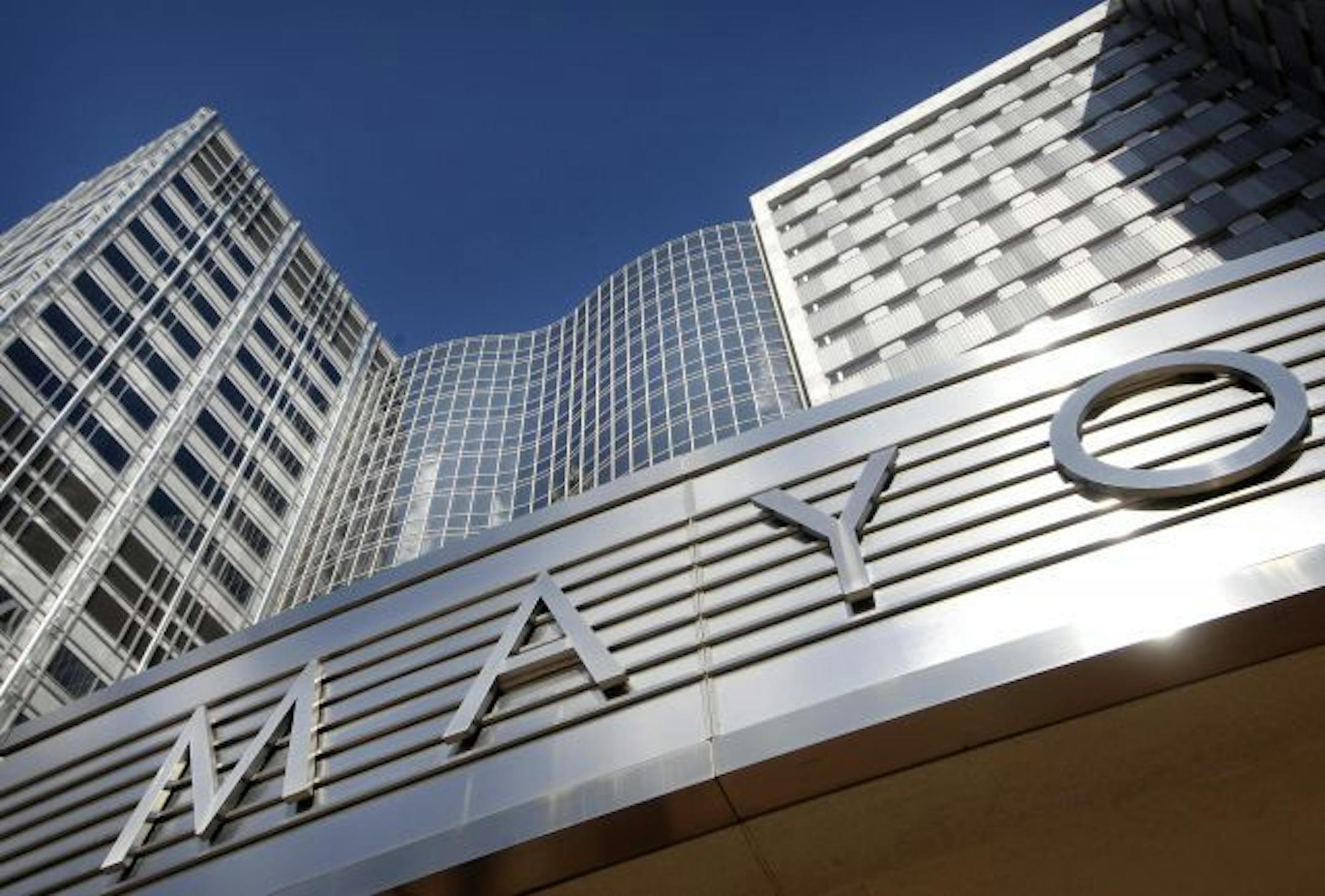
The Mayo Clinic's Gonda Building in downtown Rochester.
The Mayo Clinic's Gonda Building in downtown Rochester. (Star Tribune/The Minnesota Star Tribune)

A decadelong Mayo Clinic research project on using stem cells to repair damaged heart tissue has won federal approval for human testing, a step that could have implications for millions of Americans with heart disease.

The U.S. Food and Drug Administration has approved a multistate ­clinical trial of 240 patients with chronic advanced symptomatic heart failure to see if the new procedure produces a significant improvement in heart function, Mayo officials announced Friday.

Safety testing in humans, completed earlier in Europe, showed a preliminary 25 percent improvement in cardiac outflow, according to Dr. Andre Terzic, director of the Mayo Clinic's Center for Regenerative Medicine.

The procedure could be a "paradigm shift" in the treatment of heart disease, Terzic said.

Going forward, he said, treatments won't just focus on easing the symptoms of heart disease, but rather on curing it.

The process, developed in ­collaboration with Cardio3 BioSciences of Belgium, involves harvesting stem cells from a patient's bone marrow in the hip, directing the cells to become "cardiopoietic" repair cells, then injecting them back into the heart to do their work.

Mayo researcher Dr. Atta Behfar and other members of Terzic's team isolated hundreds of proteins involved in the "transcription" process that takes place when stem cells are converted to heart cells. They identified eight proteins that were crucial, and used them to convert stem cells into heart cells.

"This is unique in the world," Terzic said.

Dr. Ganesh Raveendran, a cardiologist and co-director of the University of Minnesota's cardiac cell therapy ­program, called the Mayo research encouraging, but advised caution. Raveendran said a variety of small stem cell studies have shown mixed results, but when the treatments were tested in larger studies, they showed no beneficial effects. "We need to wait and see," he said.

Results by 2015

For now, 40 hospitals in Europe and Israel are enrolling patients in human trials to test the Mayo procedure. Enrollments are expected to be completed by the end of the year, and early results should be available in 2015, according to Dr. Christian Homsy, CEO of Cardio3 BioSciences.

If things go well, patients in Europe could start being treated with the new technology by the end of 2016, and ­perhaps a year later for patients in the United States.

Homsy said more than $110 million has been spent in Europe developing and testing the process, and that he expects his company to increase its presence in Rochester to work more closely with Mayo researchers.

"Our collaboration with Mayo has been so productive that we have many, many opportunities that we'd like to explore," Homsy said.

Mayo researchers are working on similar "regenerative medicine" projects involving many other ailments, including diabetes, diseases of the liver and lungs, neurological ­disorders and orthopedics, Terzic said.

"Cardiovascular disease may be the beginning of a … a magnificent journey of addressing various diseases that humankind is confronting, especially with the aging of the population," he said.

Dan Browning • 612-673-4493

about the writer

about the writer

Dan Browning

Reporter

Dan Browning has worked as a reporter and editor since 1982. He joined the Star Tribune in 1998 and now covers greater Minnesota. His expertise includes investigative reporting, public records, data analysis and legal affairs.

See Moreicon

More from Minnesota Star Tribune

See More
card image
J. SCOTT APPLEWHITE, ASSOCIATED PRESS/The Minnesota Star Tribune

The "winners" have all been Turkeys, no matter the honor's name.

In this photo taken Monday, March 6, 2017, in San Francisco, released confidential files by The University of California of a sexual misconduct case, like this one against UC Santa Cruz Latin Studies professor Hector Perla is shown. Perla was accused of raping a student during a wine-tasting outing in June 2015. Some of the files are so heavily redacted that on many pages no words are visible. Perla is one of 113 UC employees found to have violated the system's sexual misconduct policies in rece