

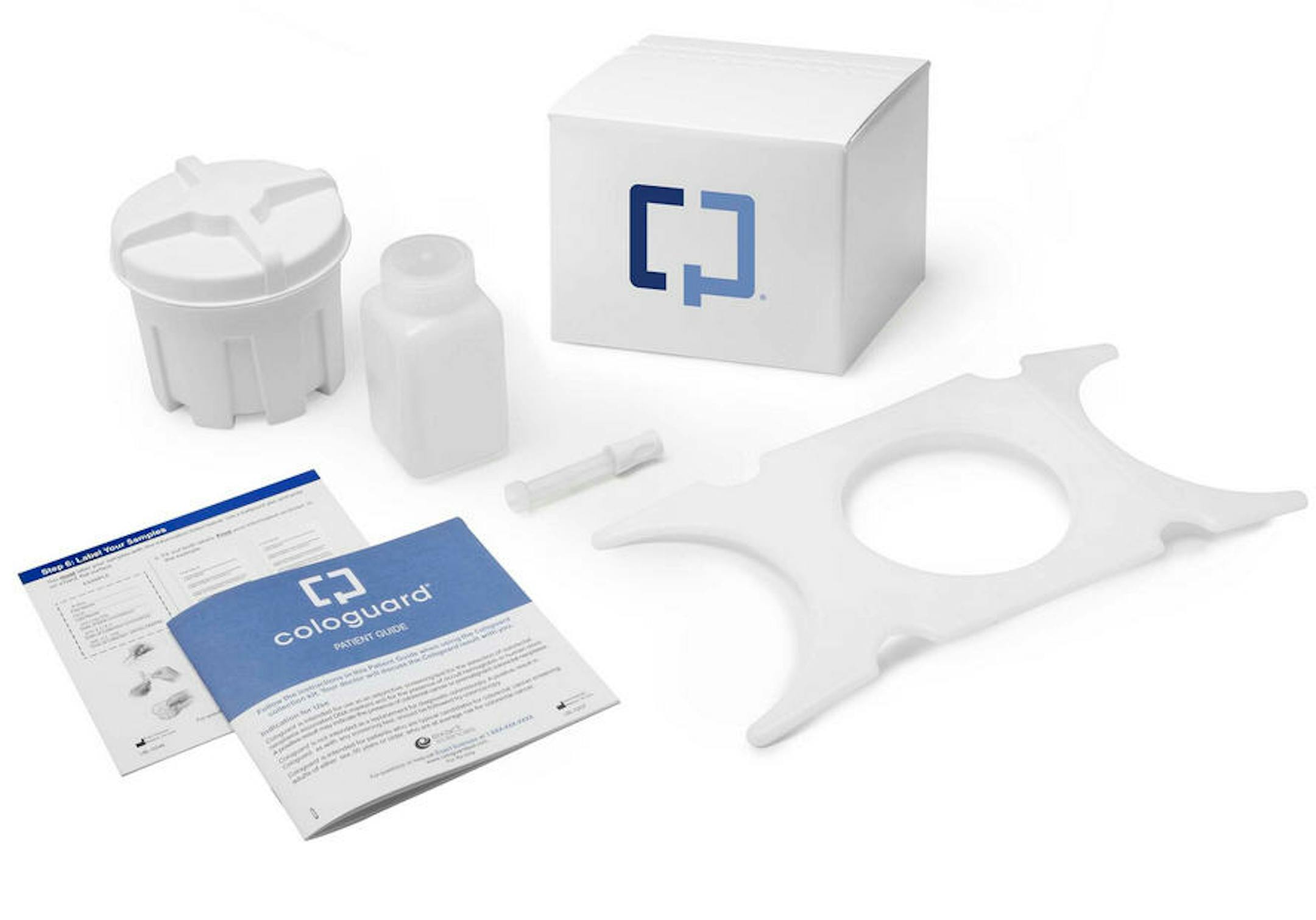
Patients often plead they'll do anything to avoid a colonoscopy for cancer screening. Now doctors at the Mayo Clinic have an alternative that will put that sentiment to the test.
Mayo officials announced Monday they will be the first in the United States to offer patients the Cologuard test, by which patients collect their stool samples and mail them in sealed containers for DNA analysis of their colon cancer risks.
While the colonoscopy will remain the gold standard for colon cancer screening — particularly among elderly adults with family histories of the disease — Mayo officials said this alternative will lead to more screening of adults who are squeamish about a rectal exam and will identify more colon cancers at early and treatable stages.
"We believe offering this new tool will promote patient and community public health and may move more patients to get screened earlier — a critical step in beating this prevalent and preventable cancer," said Dr. Vijay Shah, Mayo's chairman of gastroenterology and hepatology.
The announcement was made jointly by Mayo and the manufacturer of Cologuard, Exact Sciences of Madison, Wis., which has gotten approval from the U.S. Food and Drug Administration to start selling the test. Dr. David Ahlquist, a Mayo gastroenterologist, was a co-inventor of the test, which will be available through Mayo's primary care doctors by prescription only.
With proper screening, colorectal cancer is highly preventable. However, 23 million Americans ages 50 to 75 are not getting screened as recommended. Colorectal cancer remains the second-leading cancer killer in the United States. Early detection can mean a five-year survival rate of more than 90 percent.
"I am hopeful that the test's efficacy and convenience will result in improved detection and survival rates for colorectal cancer," Ahlquist said.
Cologuard is intended for adults 50 and older who are only at average risk for colon cancer based on their health and family history. Exact Sciences' market research indicated that people would overcome any discomfort at collecting stool samples if the test were accurate and covered by insurance. Only 3 percent of people surveyed by the company said they would be put off by the collection method.


