1:59
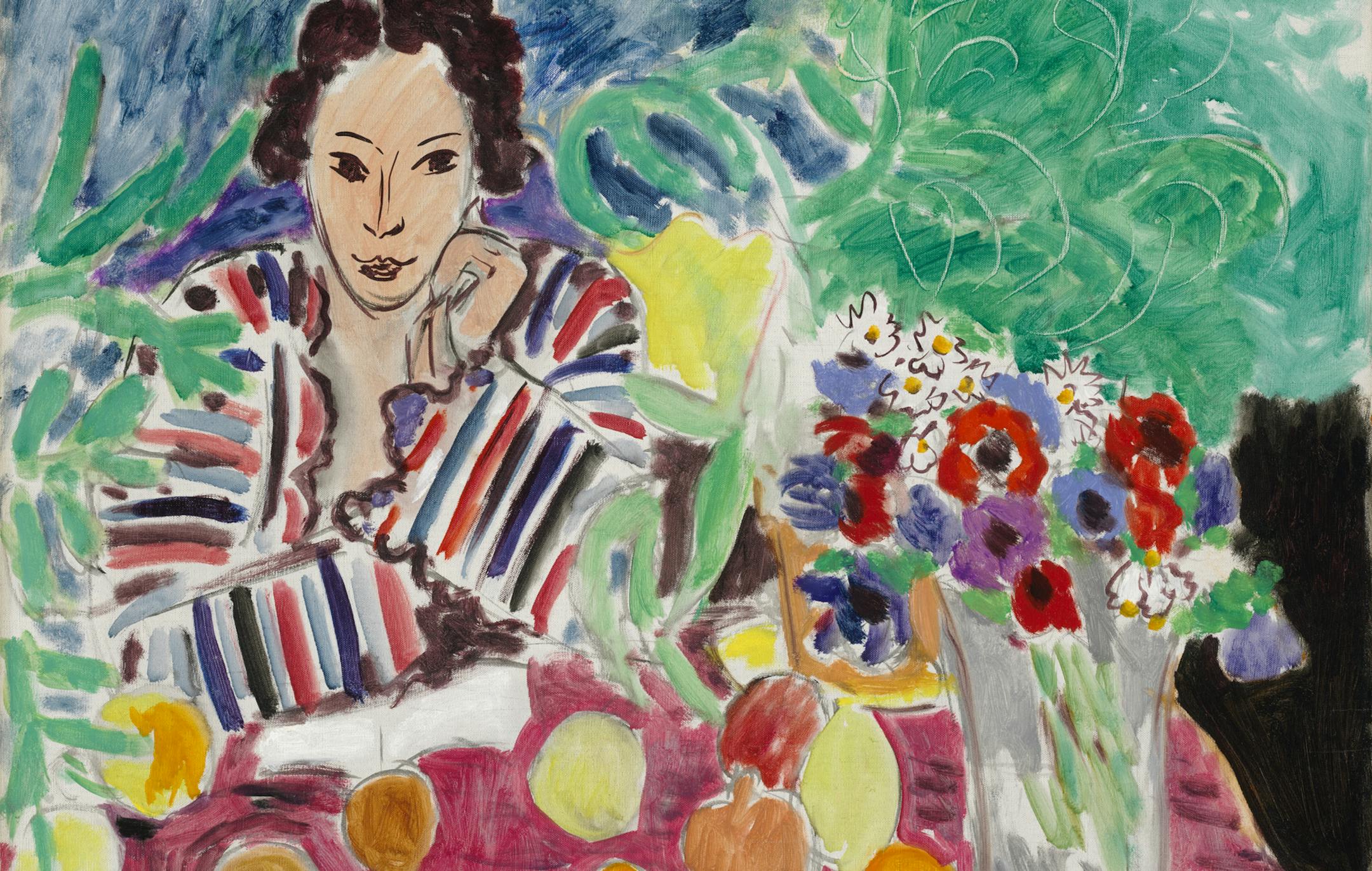
1:59He was a well-tailored man fretting with a paintbrush. They were models in harem pants, bare-breasted and lolling on carpeted banquettes in the torpid heat of Mediterranean afternoons. He frowned and worried his canvases, thinning a line, fleshing out a hip, brightening a flower or leaf. They gazed into the distance, grew bored, dozed off.
Out of the improbable relationship between an obsessive painter, Henri Matisse, and his daydreaming models came one of the most celebrated bodies of early 20th-century art, a selection of which opens Sunday at the Minneapolis Institute of Arts (MIA).
"Matisse: Masterworks From the Baltimore Museum of Art," which runs through May 18, comes from an unlikely source: two wealthy sisters from Baltimore who amassed the world's largest collection of the French master's work.
A tightly focused ensemble that spans his whole career, from the first still lifes of his student days up to his death in 1954, the show concentrates on a time between the world wars when Matisse was known internationally but still wrangling with color, design and composition.
"When you see all the work together, you see the motifs — the seated women, the odalisques, the still lifes — that concerned him throughout his entire career," said MIA assistant curator Erika Holmquist-Wall, who oversaw the presentation. "They're very traditional motifs, but he was constantly building, pushing, expanding them. You can tell that he worked very hard to make his paintings look easy."
All of the Baltimore art — 50 paintings and sculptures plus 30 lithographs and other prints — was bequeathed by Claribel and Etta Cone, daughters of German-Jewish immigrants whose family made its fortune in the textile business. They left the museum 500 Matisses along with a vast hoard of textiles, Impressionist paintings and images by Picasso, Cezanne, Van Gogh, Gauguin and other European modernists.
Claribel (1864-1929) was trained as a doctor and worked as a pathologist; Etta (1870-1949) was a serious amateur musician who managed the family home and their 11 siblings. Strikingly independent, they began collecting art when an older brother gave Etta $300 to spruce up the house — money she promptly spent on five paintings by Theodore Robinson, an American disciple of Claude Monet.
Soon the sisters were making annual trips to Paris, where Gertrude Stein and her brothers introduced them to Picasso, Matisse and the bohemian intellectuals who frequented the Steins' weekly salons and scrutinized the new art that crowded their walls.