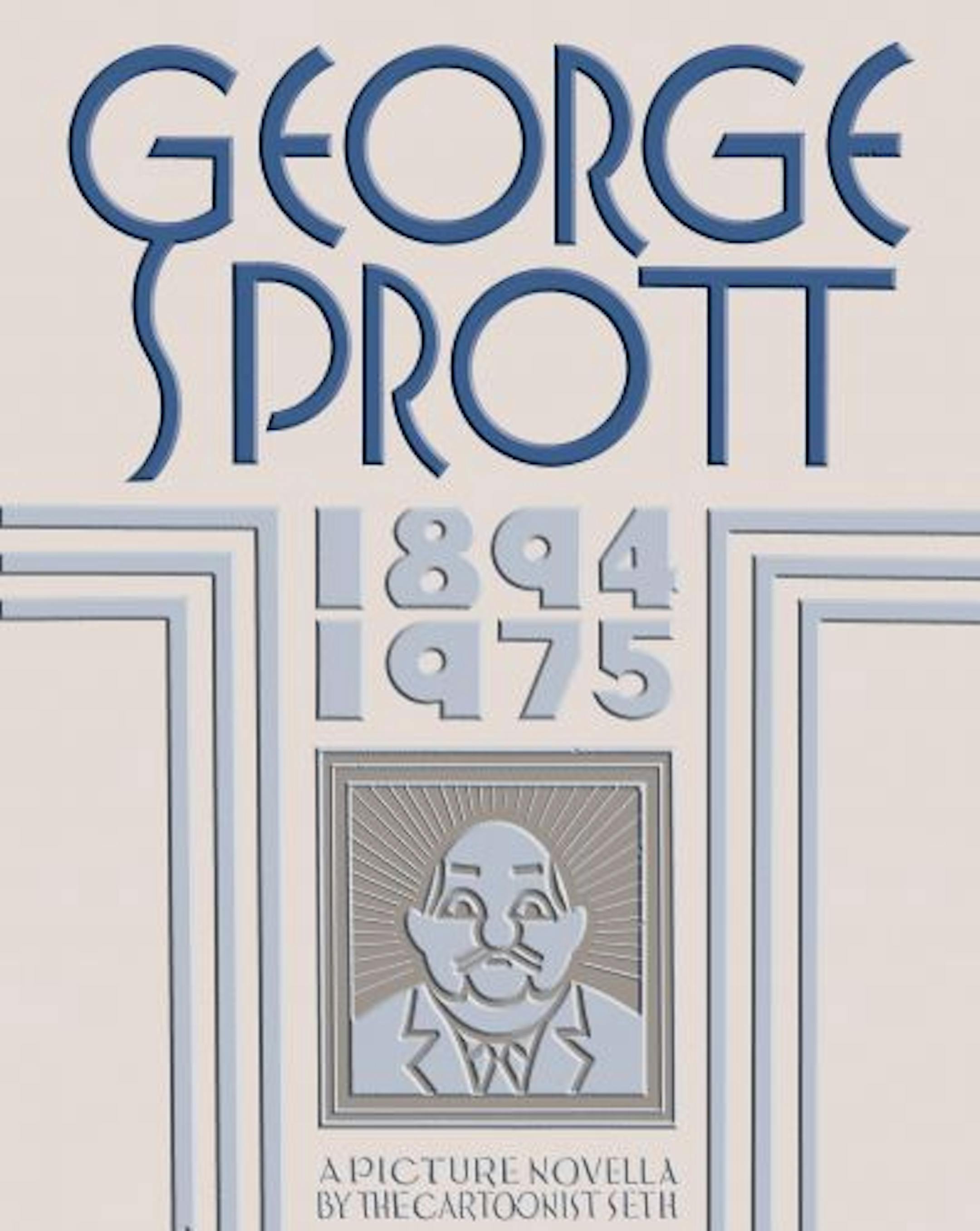
Loneliness, sorrow and sadness never looked this good. In the hands of the comic-book world's top cartoonists, doomed relationships and daily doldrums are a sight to behold. Seth, Adrian Tomine and Gabrielle Bell do not disappoint with their latest collections from powerhouse publisher Drawn & Quarterly. "George Sprott: (1894-1975)," by Seth. (Drawn & Quarterly, 96 pages, $24.95.)
The characters who inhabit Seth's stories are never terribly interesting. Typically, they are aging white guys plagued by nostalgic memories of the good old days.
Even so, Seth (the pen name of Gregory Gallant) is one of the medium's best. For him, it's the way you tell the story. And his latest graphic novel might be his most ambitious yet. First off, it's huge. Measuring 12 by 14 inches, the hardcover barely fits in your lap.
Over 96 full-color pages, Seth tells the life and death of fictional Canadian TV personality George Sprott, an oaf of a man who once fashioned himself an Arctic explorer.
The dimensions of the book are an essential part of telling this story. The traditional comic-book page contains no more than nine panels. Here, Seth sometimes packs in 30 panels to a page. Many of these pages feature interviews with people who loved and loathed George -- echoing "Citizen Kane." Most panels simply capture their changing facial expressions as they ramble on about the George they knew -- lover, cheater, idol, absentee father.
"George Sprott" was first serialized in the New York Times magazine. There, Seth's overstuffed panels let him tell a single, contained thread in one page. Now collected (and with added material), Seth's technique feels cinematic -- if at times, overwhelming.
At the very least, this is a sad story about a selfish man. At its best, it is a story about how comic-book stories are told.
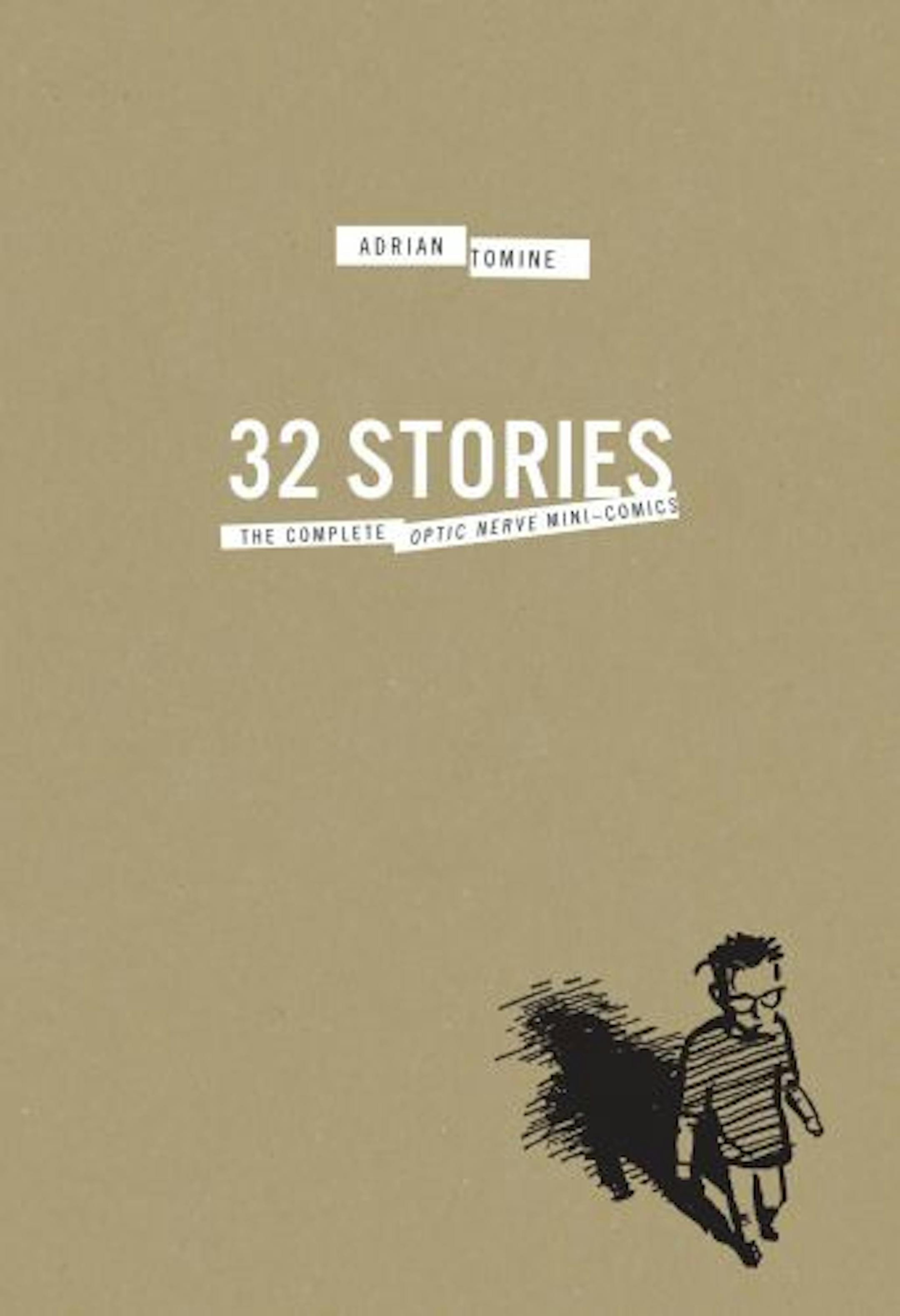
"32 Stories: The Complete Optic Nerve Mini-Comics," by Adrian Tomine. (Drawn & Quarterly, 104 pages, $19.95.)