

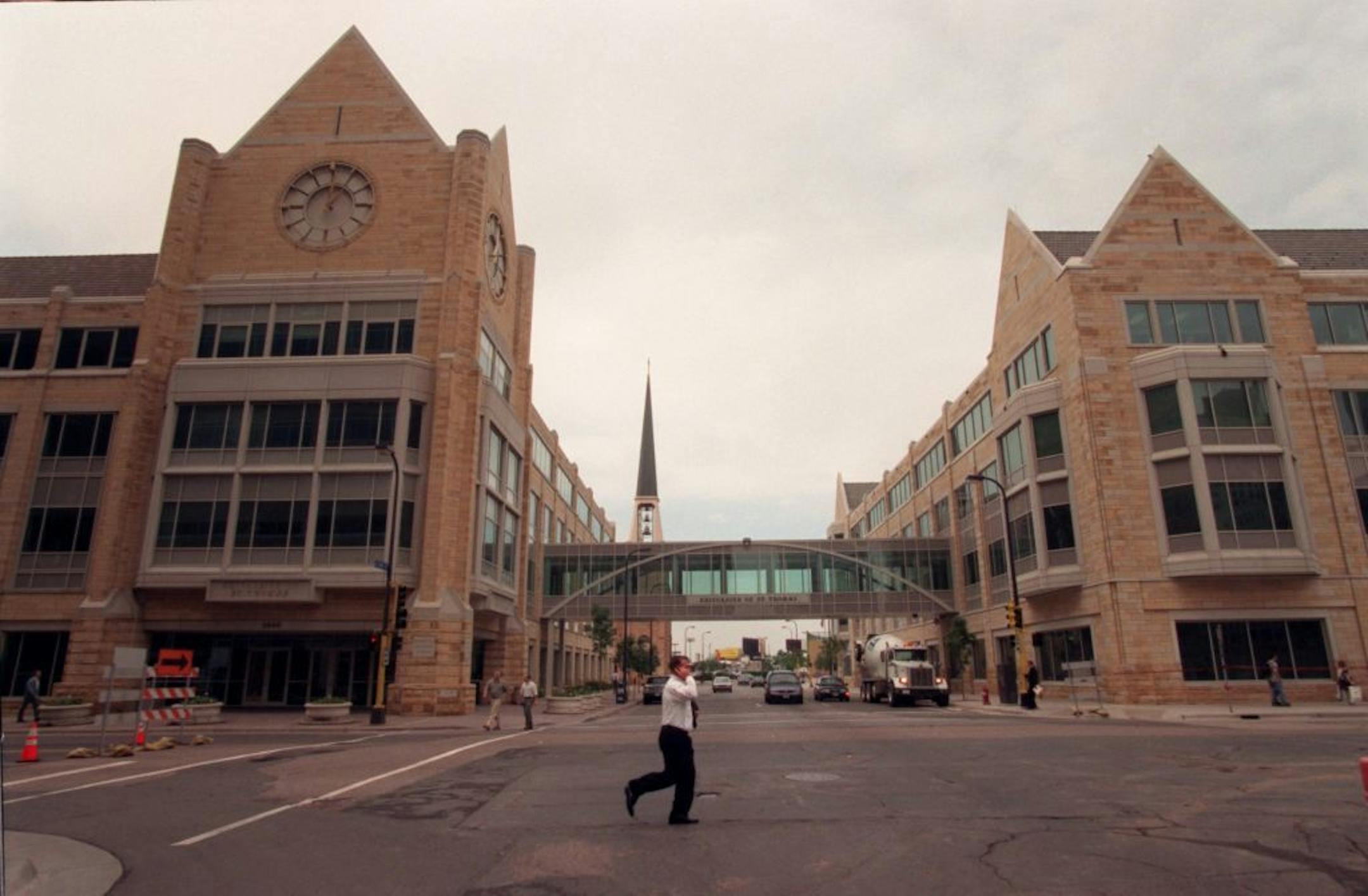
For more than a century, the buff-toned Kasota stone quarried from Minnesota River Valley has built schools, stadiums, mansions and museums around the world.
But difficult economic times in the construction industry recently claimed Mankato Kasota Stone, the long-standing purveyor of the beloved building material that ceased operations after 128 years. Once home to at least a half dozen companies mining Kasota stone, the Mankato area now has just one left.
"It has been a great source of pride for many generations for my family," said Bob Coughlan, co-owner of Mankato Kasota Stone, whose great-grandfather founded the business. "But every business is forced to make hard decisions to evolve."
Famed for its warm colors — cream, buff, gold and pink — and for durability and texture imbued by crushed sea fossils, the distinctive limestone can be found on many public buildings and private homes in the Twin Cities — from the Nokomis Library in south Minneapolis to the suburban home of hockey star Ryan Carter.
Among its more notable locales beyond Minnesota are the Camp Pendleton Marine Base, the Philadelphia Museum of Art, the University of Wisconsin's Gordon Commons in Madison and the Chicago Botanical Gardens.
The material has linked Mankato, a small city in southern Minnesota with some 30,000 residents, to the rest of the world. "It's a beautiful stone, and it is so versatile," said Paul Lawton, a Mankato architect who has designed many projects using the material. "It's more than just a local product, it has been used all over."
But as construction projects withered in the Great Recession, demand for building materials followed suit. Many architects and builders opted to use cheaper, prefabricated materials, as well as brick, glass and steel, instead of the Mankato stone. While the building industry has improved in the past year, the recovery came too late for Mankato Kasota Stone.
The firm's holding company, Coughlan Cos. Inc., will now focus on Capstone Press, a publisher of children's books, and Jordan Sands, an industrial sand mining and processing operation. About two dozen people lost their jobs when Mankato Kasota Stone shut its doors, but Coughlan hopes to hire people back in some of the other family businesses.
![A worker drills at the Jefferson Quarry for limestone extraction in Mankato, Minn., on Thursday, July 11, 2013. Mankato Kasota Stone, a 125-year-old company providing distinctive limestone for architecture ranging from middle class homes to Target Field, closed in June. ] (ANNA REED/STAR TRIBUNE) anna.reed@startribune.com (cq)](https://arc.stimg.co/startribunemedia/CIWVOZ24EIFB7VTQCTNZAJBUVE.jpg?&w=1080)
![Nokomis Library (5100 S 34th Ave), in Minneapolis, MN. Mankato Kasota Stone, a 125-year-old company providing distinctive limestone for architecture ranging from middle class homes to Target Field, has closed. The company cited the construction downturn of recent years as what did in the business. July 11, 2013. ] JOELKOYAMA•joel koyama@startribune.com](https://arc.stimg.co/startribunemedia/PHS6G27W5NFPN7RJ5ORN2XDJEU.jpg?&w=1080)
![University of St. Thomas downtown Minneapolis campus at 11th Street and Harmon Ave in Minneapolis, MN. Mankato Kasota Stone, a 125-year-old company providing distinctive limestone for architecture ranging from middle class homes to Target Field, has closed. The company cited the construction downturn of recent years as what did in the business. July 11, 2013. ] JOELKOYAMA•joel koyama@startribune.com](https://arc.stimg.co/startribunemedia/DVP3AMRBNQTY4RX3HZKJMSBFJU.jpg?&w=1080)
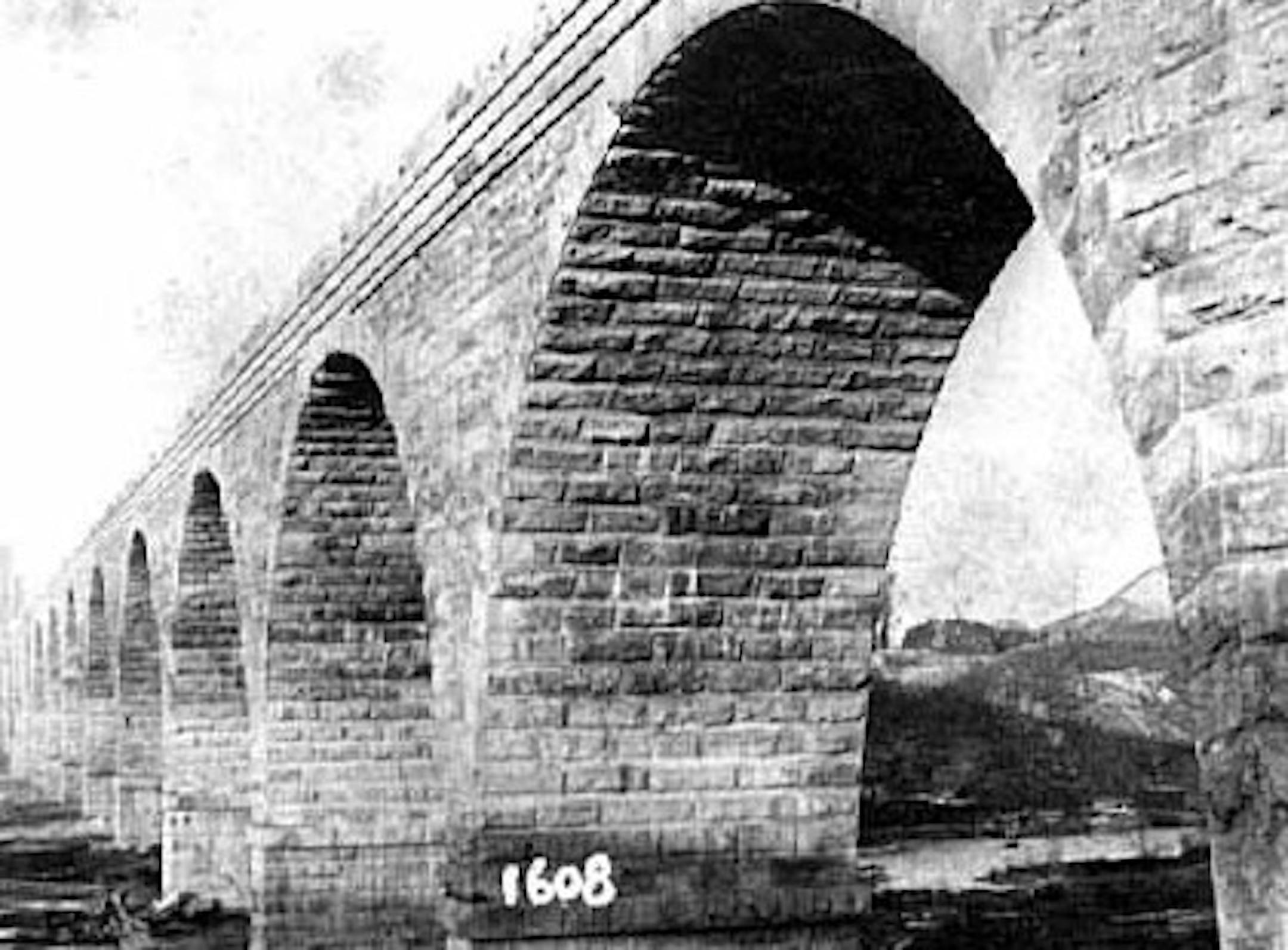

![Mankato Kasota Stone, a 125-year-old company providing distinctive limestone for architecture ranging from middle class homes to Target Field, closed in June. ] (ANNA REED/STAR TRIBUNE) anna.reed@startribune.com (cq)](https://arc.stimg.co/startribunemedia/FKGQLJH6C6JLXKRFTUU773HI7A.jpg?&w=1080)
![Mankato Kasota Stone, a 125-year-old company providing distinctive limestone for architecture ranging from middle class homes to Target Field, closed in June. ] (ANNA REED/STAR TRIBUNE) anna.reed@startribune.com (cq)](https://arc.stimg.co/startribunemedia/KYYI7PGZHYPMXQWPKPGQTY4E2U.jpg?&w=1080)


