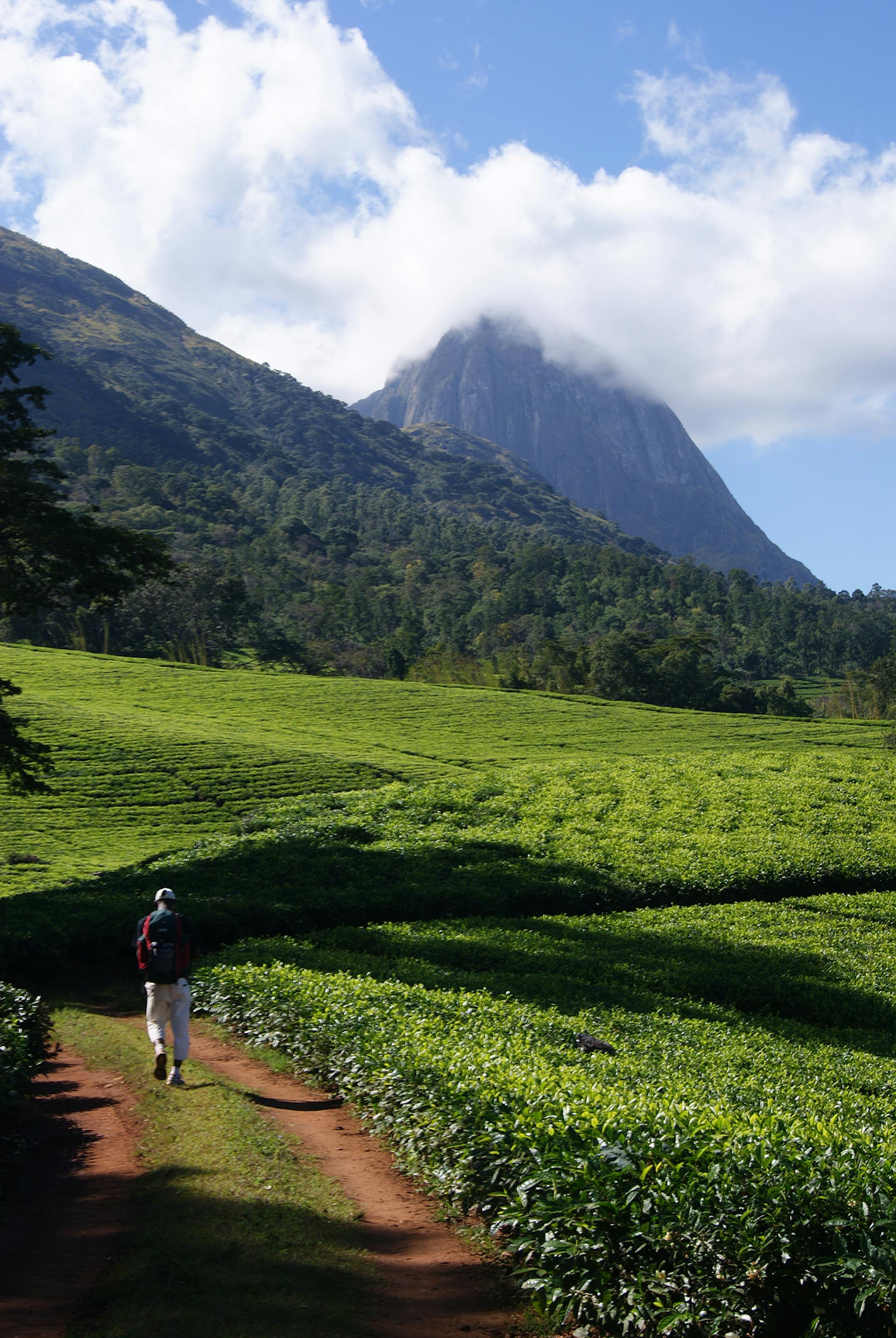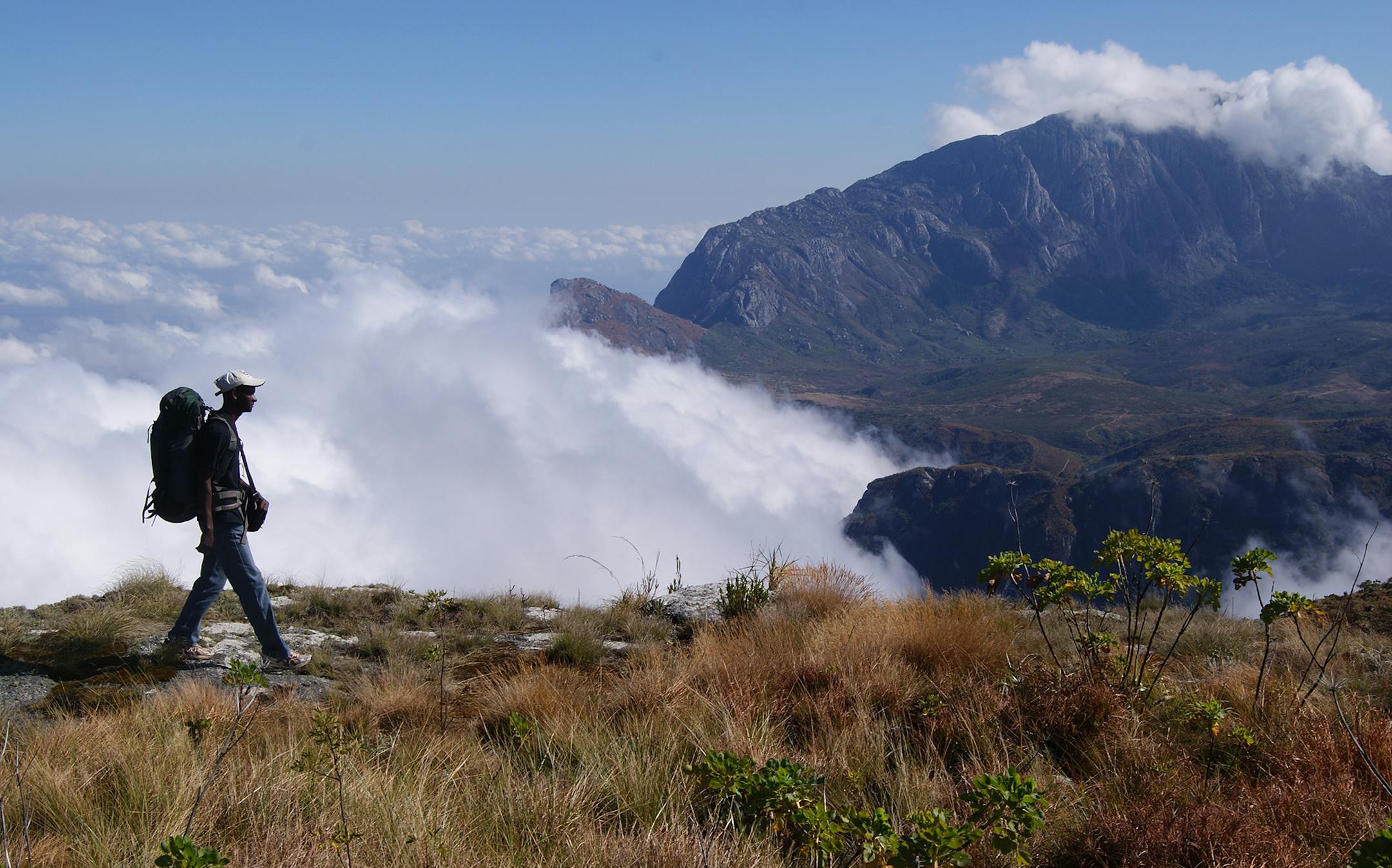
Out of the verdant lowlands it rises, a great black pyramid silhouetted against the sun. Finally, after countless ups and downs and 30 footsore miles, I can almost picture the scene: It's the 1930s in the old British protectorate of Nyasaland, and a young J.R.R. Tolkien is taking in this same view, his unique imagination fired by a new geographical talisman for Middle-earth.
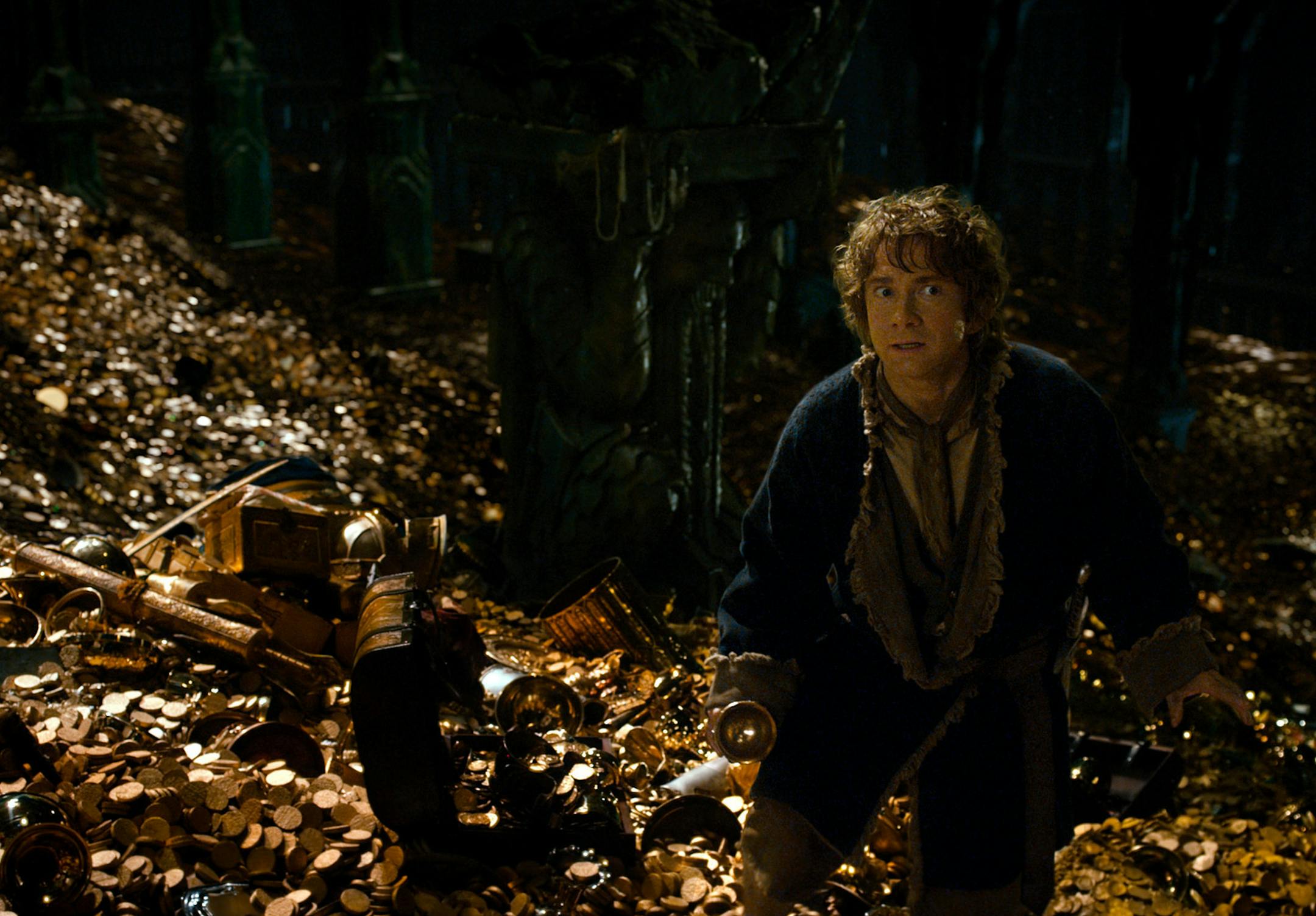
Travel readers may be accustomed to seeing stories inspired by the return of Bilbo, Gandalf and company to the silver screen. But let me clarify straightaway that this is not an article about New Zealand, the country whose dramatic landscapes have formed the backdrop for Peter Jackson's blockbuster adaptations of Tolkien's fantasy novels. Instead, with the second installment of the Hobbit triptych, "The Desolation of Smaug," now in theaters, I'm taking you to Africa, someplace more obscure, in pursuit of a rumor.
The fertile plains of southern Malawi might seem an improbable place to unearth the origins of a book written in leafy 1930s Oxford, England. But there's something fantastical here.
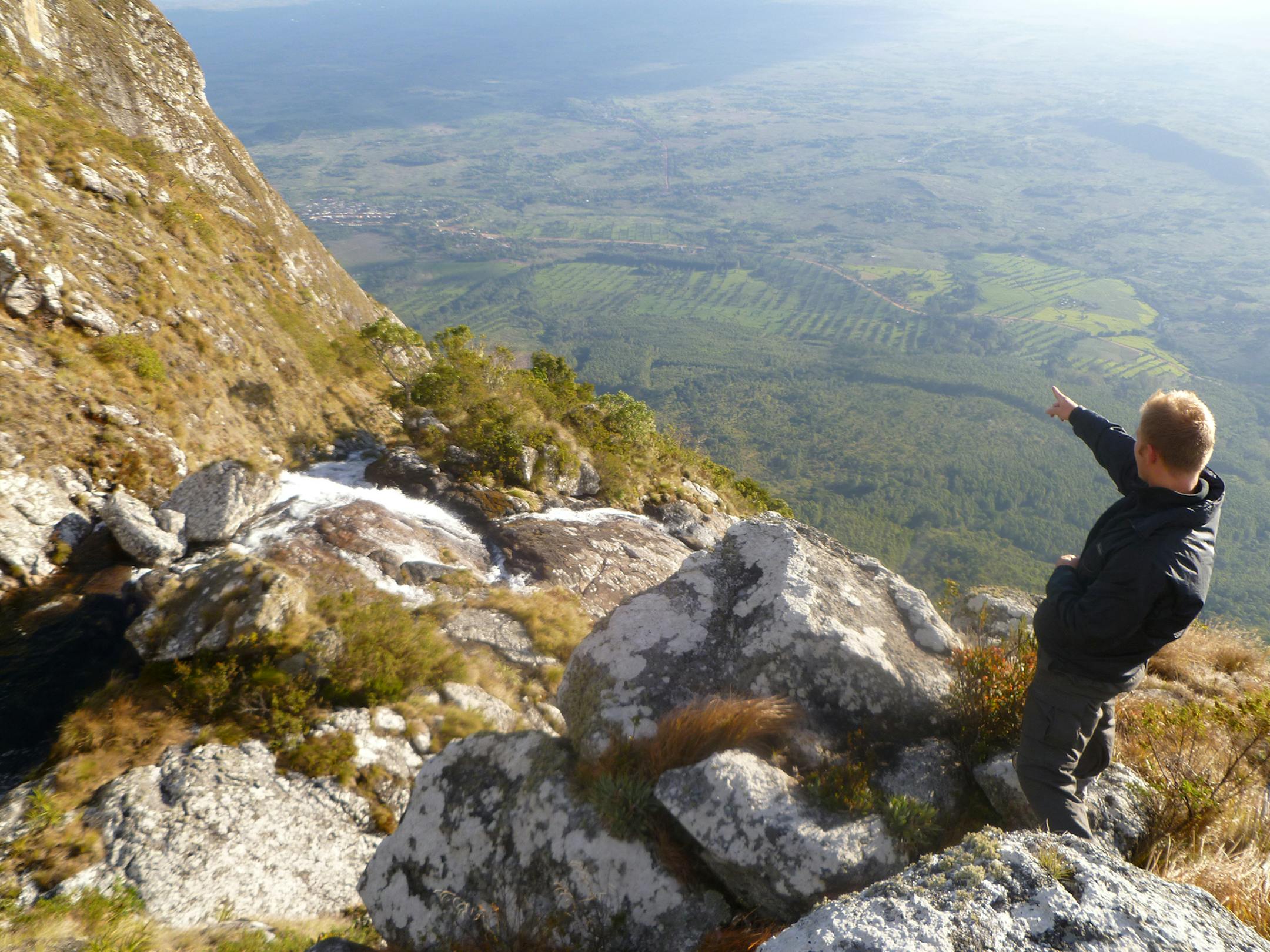
Throughout the southern tail of the Great Rift Valley, the landscape is peppered with free-standing eroded mountains known as monadnocks or inselbergs. King of them all is Mount Mulanje, an enormous granite massif located an hour's drive southeast of the tumbledown commercial hub of Blantyre. Carpeted in plateaus, cut by valleys and piled high with jagged peaks, it covers 250 square miles. Apart from Lake Malawi, it's this southeast African country's most outstanding geographical feature, and a popular myth — propagated in forums as varied as travel blogs and scientific journals — has it that this sudden outcropping provided the blueprint for Tolkien's Lonely Mountain, home to the dragon Smaug and his hoard of gold.
There's plenty of tenuous evidence to support the claim. Quite apart from its formidable dimensions, Mulanje is steeped in local legend. A community of diminutive people is said to have once lived on its plateaus (Hobbits, anyone?), and among the more superstitious, its nearly 10,000-foot apex goes by an ominous sobriquet: "the place where you are not supposed to go."
I wasn't sure whether the association was true or a fib dreamed up by some wag over sundowners at the Blantyre Sports Club. And then I saw it through the bus window, a huge green blister muscling across the horizon, and I realized that whatever the reality, my aim to traverse the mountain from southwest to northeast was going to present a superlative adventure.
A favorite of Western expats
The next day, I set off in the morning through emerald tea plantations, before moving steeply uphill through forests of bamboo. Leading the way is a man whose name would make Thorin Oakenshield raise a quizzical eyebrow.
My rangy guide goes by Comestar, a splendid neologism inspired by the misremembered name of a German visitor his parents had warmed to. Born in Likhubula, at Mulanje's western fringe, Comestar doesn't know much about Tolkien's supposed visit, but he knows plenty about the mountain. For the past two hours, his scientific commentary has accompanied each twist in the trail: "Mahogany sap — we use this to treat ringworm"; "There! Eastern double-collared sunbird"; and "Look, leopard poo."