

"The Great Resignation" is a term that's made the rounds as Americans quit their jobs at record rates for myriad reasons.
But the phrase could also apply to Gustav Mahler's Ninth Symphony. Few composers have so eloquently expressed resignation as Mahler does in the last symphony he completed before his death. Suffering from a heart ailment he expected would prove fatal, he processed his feelings about saying goodbye to this world, creating a masterpiece full of consternation, seize-the-day rambunctiousness and, finally, a wistfully gentle grief.
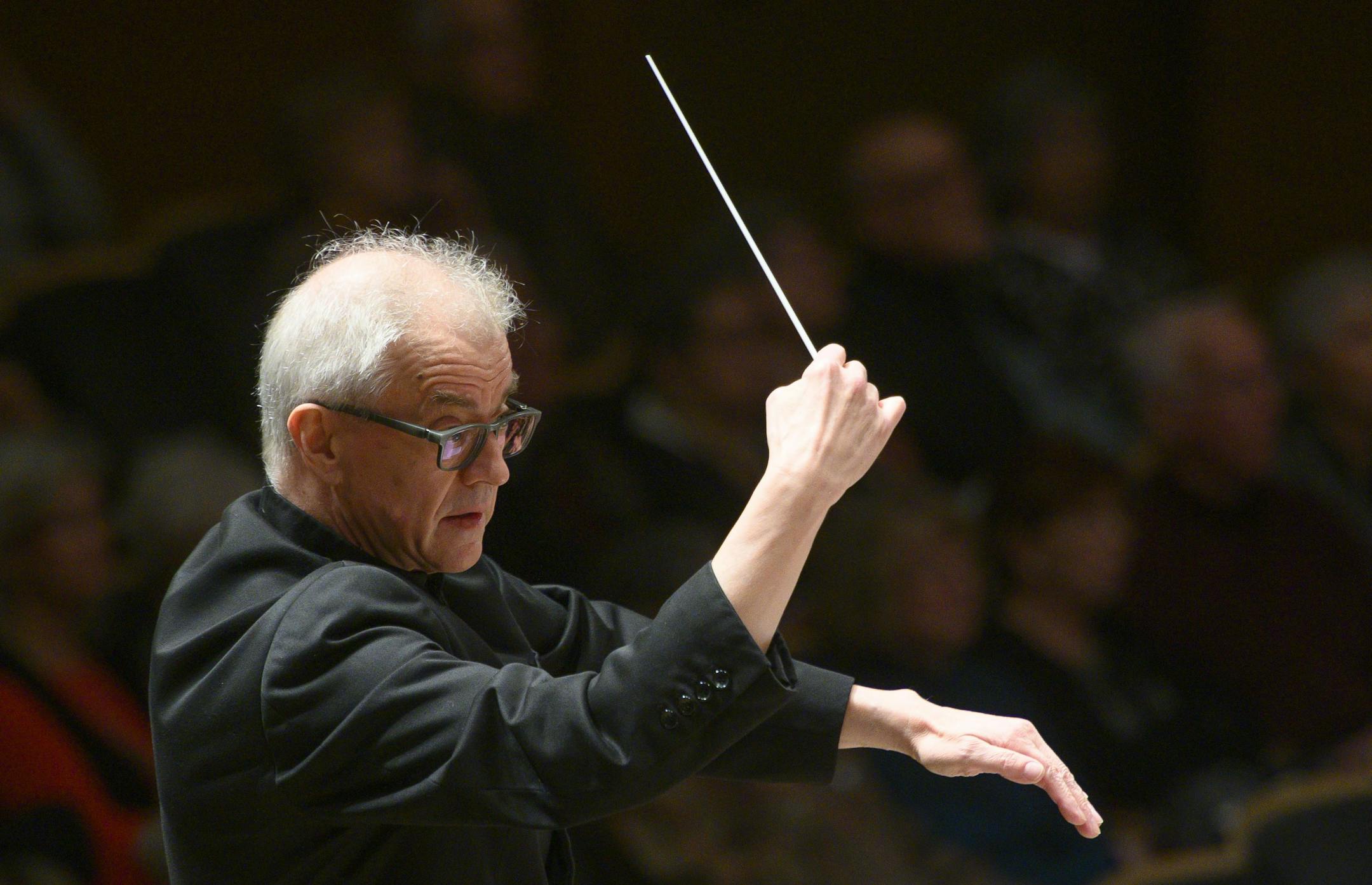
It's a very involving 90-minute work, and, with recording sessions planned this week, it will become the latest entry in the Minnesota Orchestra's cycle of Mahler symphonies. But with music director Osmo Vänskä departing in June, it became something of a farewell of his own.
On Friday evening, Vänskä and the orchestra presented a Mahler's Ninth quite atypical in many regards. While many conductors choose a whispered opening, Vänskä emphasized the erratic exclamations blurting out from the orchestra. And playfulness in the dancing Rondo gave way to an explosive climax.
But those who regard the symphony's sad, slow finale as music's consummate "great resignation" needn't worry: It was as powerful as one could wish, the captivating conclusion to a performance that grew more gripping as it progressed.
While Mahler's Ninth was slated to be the evening's lone work, the orchestra opened by sending solace toward the people of Ukraine with a short piece for strings by contemporary Ukrainian composer Valentin Silvestrov. "Hymn 2001" was both touching and haunting, high violins shimmering above a mournful melody.
Mahler's opening movement served as a reminder that, if you prefer the classics played the way you're used to, Vänskä is not the conductor for you. He customarily finds unusual elements to emphasize.
Rather than murmurs gradually rising from quietude, the symphony's beginning was frank and forthright, exclamations bursting forth from around the orchestra. A conflicted air emerged, one mood battling another, comforting tones periodically pouring forth from Michael Gast's French horn, a sad loneliness from Adam Kuenzel's unaccompanied flute.


