
Lyme disease drug is in short supply in Twin Cities

For the uninsured, cost of treatment could nearly triple.

May 8, 2013 at 7:04PM
<h1>Ticks</h1> <p><b>Should you steer clear? </b>Definitely, because ticks can carry diseases. In this area, the blacklegged tick (sometimes called the deer tick) can carry Lyme disease and anaplasmosis.</p> <p><b>What should you do with them? </b>Do a thorough tick-check after an outdoors hike. If a tick latches onto your skin, remove it as soon as possible. The method recommended by the Centers for Disease Control and Prevention: grasp the tick with a fine-tipped tweezers, close to the skin's
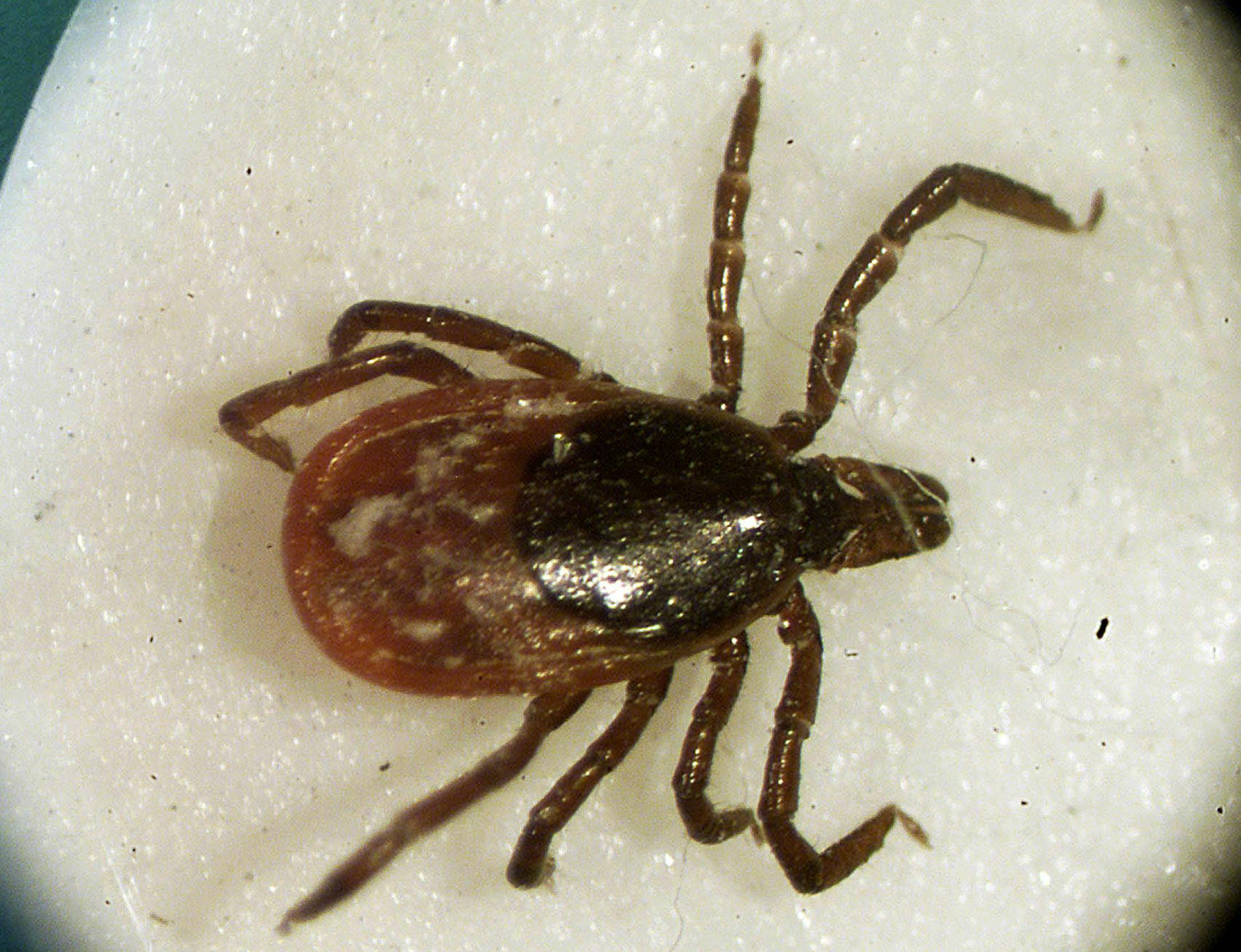
Deer ticks spread Lyme disease, which often causes fever, headache, fatigue and a rash. (The Minnesota Star Tribune)

Shortages of a drug used to treat Lyme disease have caused prices to spike in the Twin Cities and forced some Minnesota clinics to scramble for alternatives just as the tick season arrives.

Doxycycline, ordinarily a cheap antibiotic with many applications, first went on the federal government's national drug shortage list in January because of manufacturing delays and rising demand.

Fairview Health Services said Tuesday it still has supplies, but its cost to buy the antibiotic has jumped from 8 cents per pill to more than $3, according to spokeswoman Jennifer Amundson.

The cost of a typical prescription for Lyme disease — a three-week course of one pill per day — could shoot to $120, up from $45, for the uninsured, according to Dr. Frank Rhame, an infectious disease physician with Allina Health at Abbott Northwestern Hospital.

Rhame said he saw "nothing nefarious" in the shortage, but added: "It's a drag for patients who need doxycycline," especially since it treats more than just Lyme disease.

Minnesota is one of the leading states for the tick-borne infection, with 500 to 1,200 cases annually, according to the U.S. Centers for Disease Control and Prevention.

The illness is usually transmitted to humans through the bite of infected black-legged ticks. Symptoms include fever, headache, fatigue and a characteristic skin rash; if left untreated the infection can spread to joints, the heart and the nervous system.

Doxycycline is also used to treat infections of the skin, pneumonia, acne and anthrax inhalation and to prevent malaria, according to the U.S. National Library of Medicine. The drug is also a recommended treatment for some sexually transmitted diseases, including chlamydia, which saw a sharp rise in cases across Minnesota last year.

Bottlenecks

Drug shortages have become common in recent years because of consolidation in the pharmaceutical industry, quality-related factory shutdowns and other bottlenecks. More than 120 medications are currently on a shortage list maintained by the U.S. Food and Drug Administration.

Allina Health's pharmacies saw a significant rise in doxycycline prices in mid-January due to the shortage, said spokeswoman Gloria O'Connell, resulting in costs jumping almost 1,000 percent. The prices are still "incredibly high," she said.

Patients might be shielded from the price increase depending upon their insurance coverage, said Peter Marshall, clinical pharmacy program manager at HealthPartners, leaving the uninsured most vulnerable.

HealthPartners first noticed the shortage in January and saw prices jump to more than $100 per prescription, though they have eased up in recent weeks. The health care provider would pay more for what's available, Marshall said, and is "well beyond" just looking at generic options.

Marshall said doctors can consider other medications when shortages arise, but said it takes a lot of work to safely recommend alternatives.

"It's a frustrating, complex problem," he said.

Because of production problems, O'Connell said, Allina Health expects the antibiotic to remain in short supply until mid-July.

Jeff Hargarten is a University of Minnesota student reporter on assignment for the Star Tribune.

about the writer

about the writer

Jeff Hargarten

Data Journalist

Jeff Hargarten is a Minnesota Star Tribune journalist at the intersection of data analysis, reporting, coding and design.

See Moreicon

More from Minnesota Star Tribune

See More
card image
J. SCOTT APPLEWHITE, ASSOCIATED PRESS/The Minnesota Star Tribune

The "winners" have all been Turkeys, no matter the honor's name.

In this photo taken Monday, March 6, 2017, in San Francisco, released confidential files by The University of California of a sexual misconduct case, like this one against UC Santa Cruz Latin Studies professor Hector Perla is shown. Perla was accused of raping a student during a wine-tasting outing in June 2015. Some of the files are so heavily redacted that on many pages no words are visible. Perla is one of 113 UC employees found to have violated the system's sexual misconduct policies in rece