

'Hilo -- it is what it is" probably isn't a tourism slogan that would get a thumbs-up from the Big Island city's Chamber of Commerce.
But I don't mean it as a put-down. It's just advice from a longtime visitor who loves Hawaii's "second city." I also know the worst thing anyone can do for Hilo is to try to oversell it. No one is going to spend a weeklong honeymoon in Hilo or plan a championship golf tournament there.
That's all over on the other side, the rocky brown Kona Coast, with its 10 inches of rain per year and $400-per-night megaresort hotel rooms.
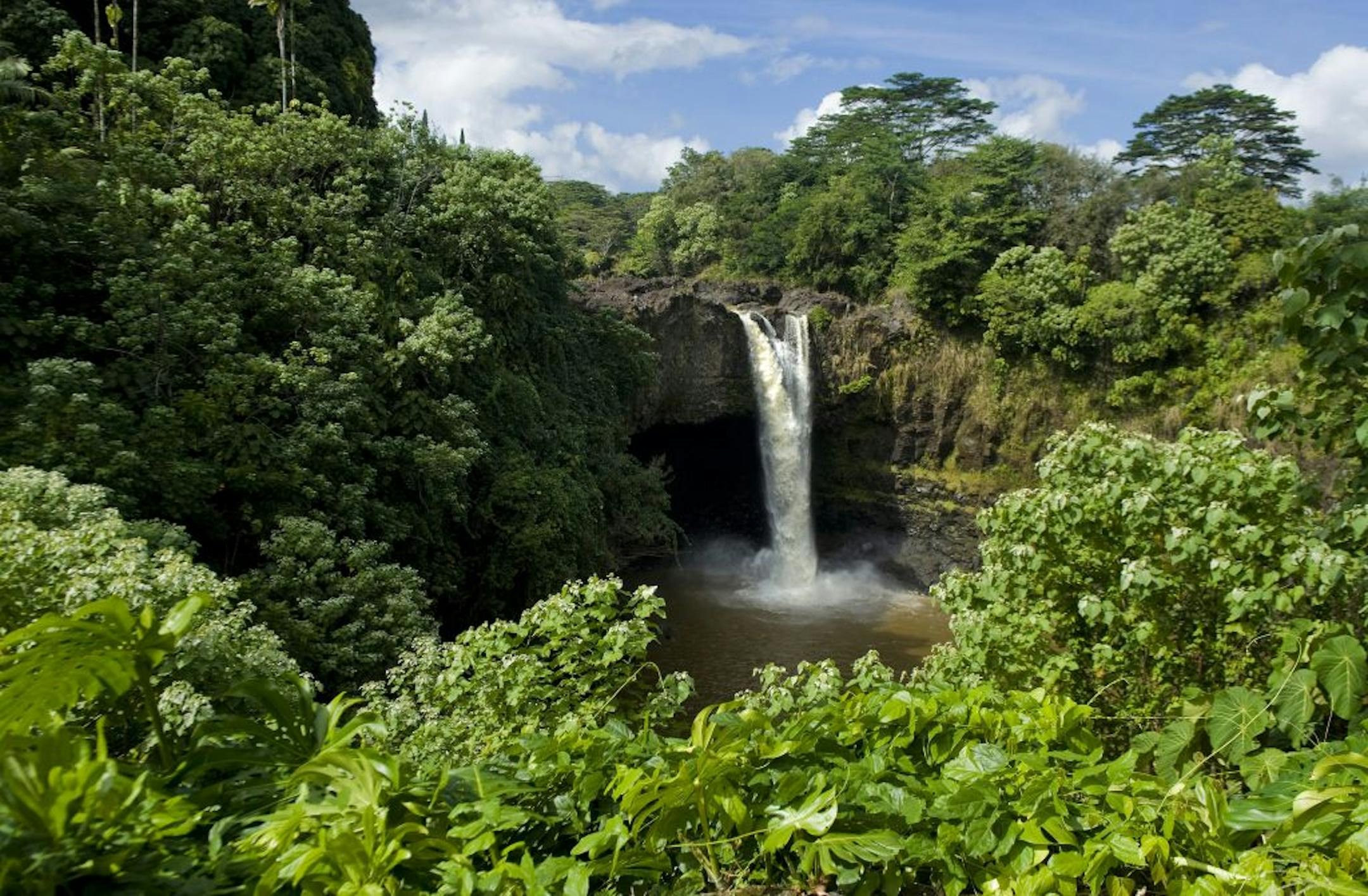
Hilo, on the other hand, is a place often defined by its deficiencies. No famous gourmet restaurants, no luxury hotels, no postcard-worthy beaches. It's more often wet and gloomy compared with the west side. Rain? Count on it. More than 125 inches a year.
But it has something you won't find while strolling the T-shirt shops over in Kailua-Kona.
"Hilo is more relaxing and down-to-earth," said Wilma Kuamoo, a waitress at Ken's House of Pancakes, a local hangout. "In other places, I think people have lost the Hawaiian spirit. They don't have time to stop and talk. They're too busy. Hilo isn't that way."
Tourist-archaeologists can visit Banyan Drive, which seems caught in time before the 1980s. The trees that flank the curving parkway have plaques to the famous visitors who were honored with a tree planting during their visit. Babe Ruth and Amelia Earhart are on the drive. The most recent famous name is Richard Nixon, who stopped by when he was running for vice president in 1952.
The names underscore the reality that Hilo has become a tourism backwater in the past half-century, ever since the airport in Kailua-Kona meant that visitors to the big resorts no longer needed to make a stop in Hilo on the way to two weeks of lounging at the Mauna Kea or Kona Village.


