Ibrahim didn't know where he was going. Neither did I, having been in Bahrain for only 12 hours, most of them at night. But he was the driver that fate had given me that morning, and I was the one with the map. I was also, it turned out, the only one who could read it.
It was the kind of map that looks like a place mat, with little drawings of major sights and no addresses. It was all I could find at the airport when I arrived. But Bahrain is so small that when we set out from my hotel in Manama, the capital, the next morning, I thought it would be good enough.
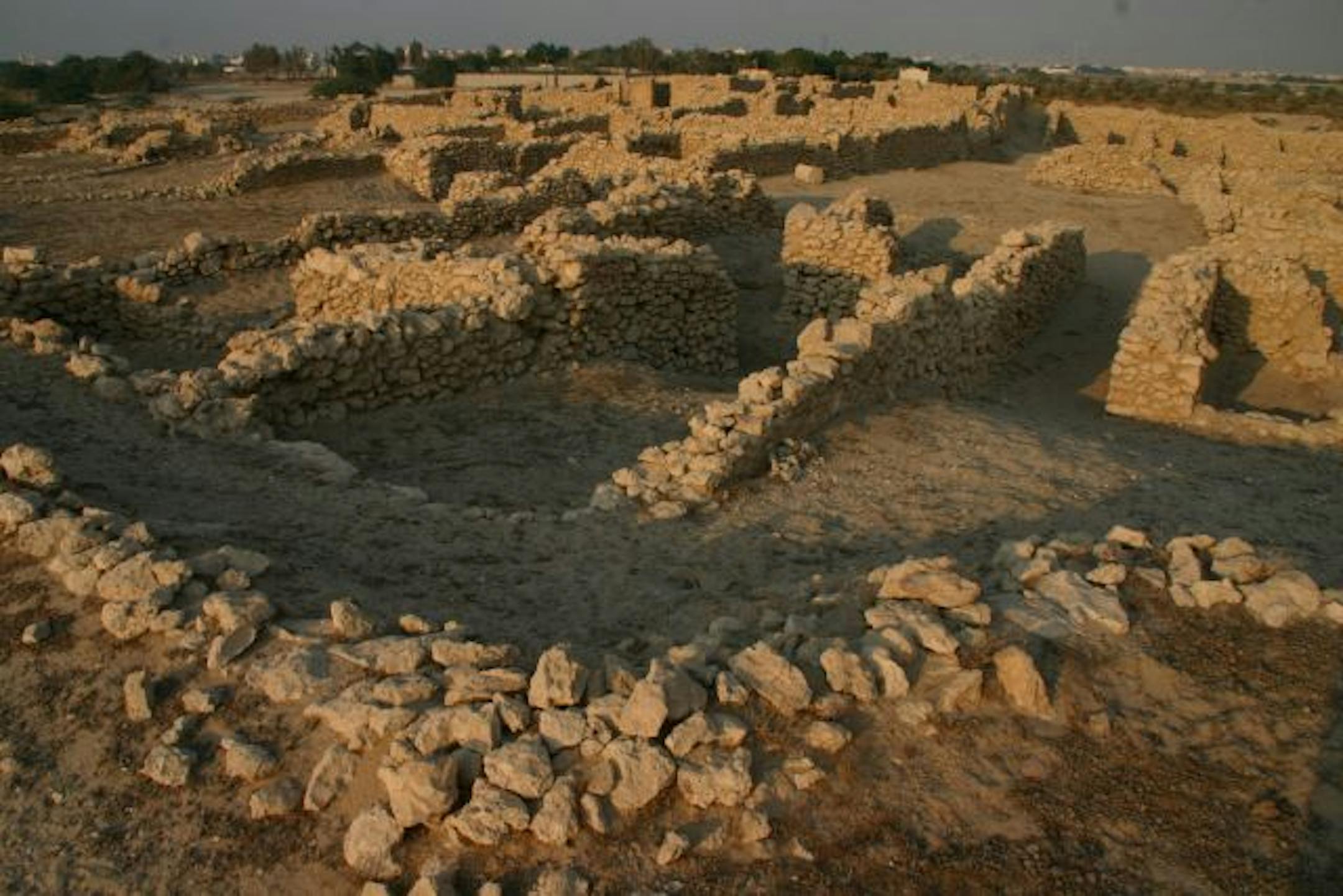
That was before we got lost, trying to find Oil Well No. 1, the first ever drilled in the Persian Gulf. Before we got lost, trying to find the Jebel ad Dukran, Bahrain's highest hill. Before we got lost, trying to find the 5,000-year-old remains of Dilmun, said by some to be the site of the Garden of Eden.
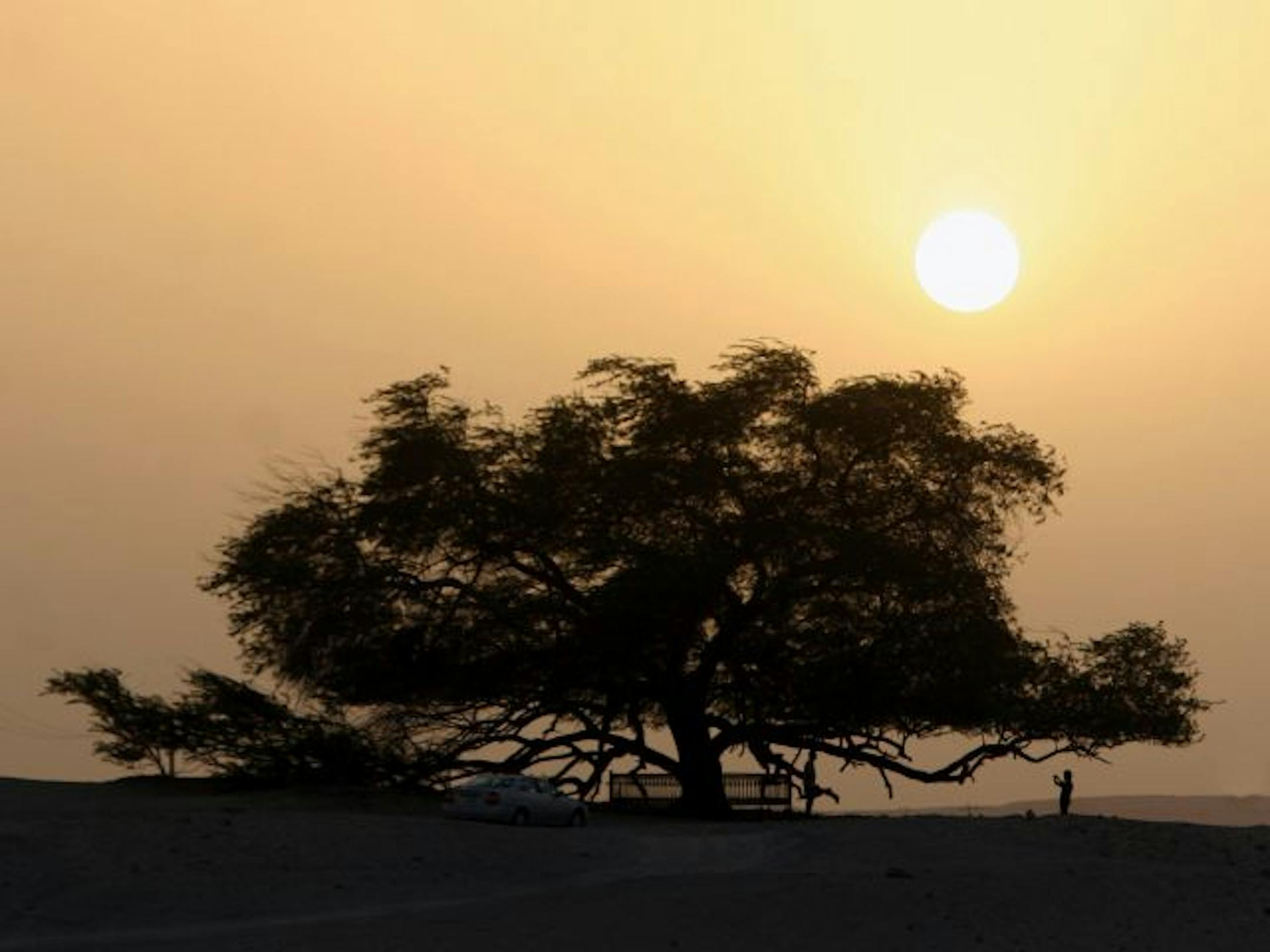
And long before we nearly got arrested, trying to find the Tree of Life.
Bahrain is an archipelago of 33 low, sandy, mostly uninhabited bits of land off the coast of Saudi Arabia in the shallow waters of the Persian -- here called the Arabian -- Gulf. All together, the land adds up to less than half of Hennepin County's. The population is about 1 million and clusters around Manama, at the top of the biggest island. Big is a relative term: That island is only about 10 miles wide by 30 long. Main industries? Finance and oil, with plush island resorts coming on strong.
"You'll like Bahrain," said the husky Texan seated next to me on the Gulf Air flight from Amsterdam. He was an oil engineer based in Saudi, and Bahrain was where his fellow Americans went to blow off steam. "Lot of guys keep apartments there for weekends," he said. To be honest, I hadn't gone to Bahrain strictly for Bahrain's sake. I was on my way to Nepal, halfway around the globe from Minnesota, and it made for an intriguing stop.
The place sounded wide open -- a kind of miniature Dubai, where even liquor was sold. I could walk around alone, the Texan said, and I wouldn't have to cover my hair or wear a long black abaya, even though Bahraini women usually did. Then the ultimate American freedom: "You can drive there."
He didn't mean me personally, though things might have gone better if I had. He meant women are permitted to drive in Bahrain, which they aren't in Saudi.