There's one way in which Theodor Geisel was kind of like the reclusive Once-ler in "The Lorax": When people came knocking to adapt his books into movies, he didn't want to be bothered.
Throughout his life, Dr. Seuss shunned the efforts of Hollywood studios to put his fantastical creatures on the big screen. Two decades after his death -- and on what would have been his 108th birthday on Friday -- Hollywood has gone where the grickle-grass grows for the fourth movie, "The Lorax," one of his most colorful and most topical entries.
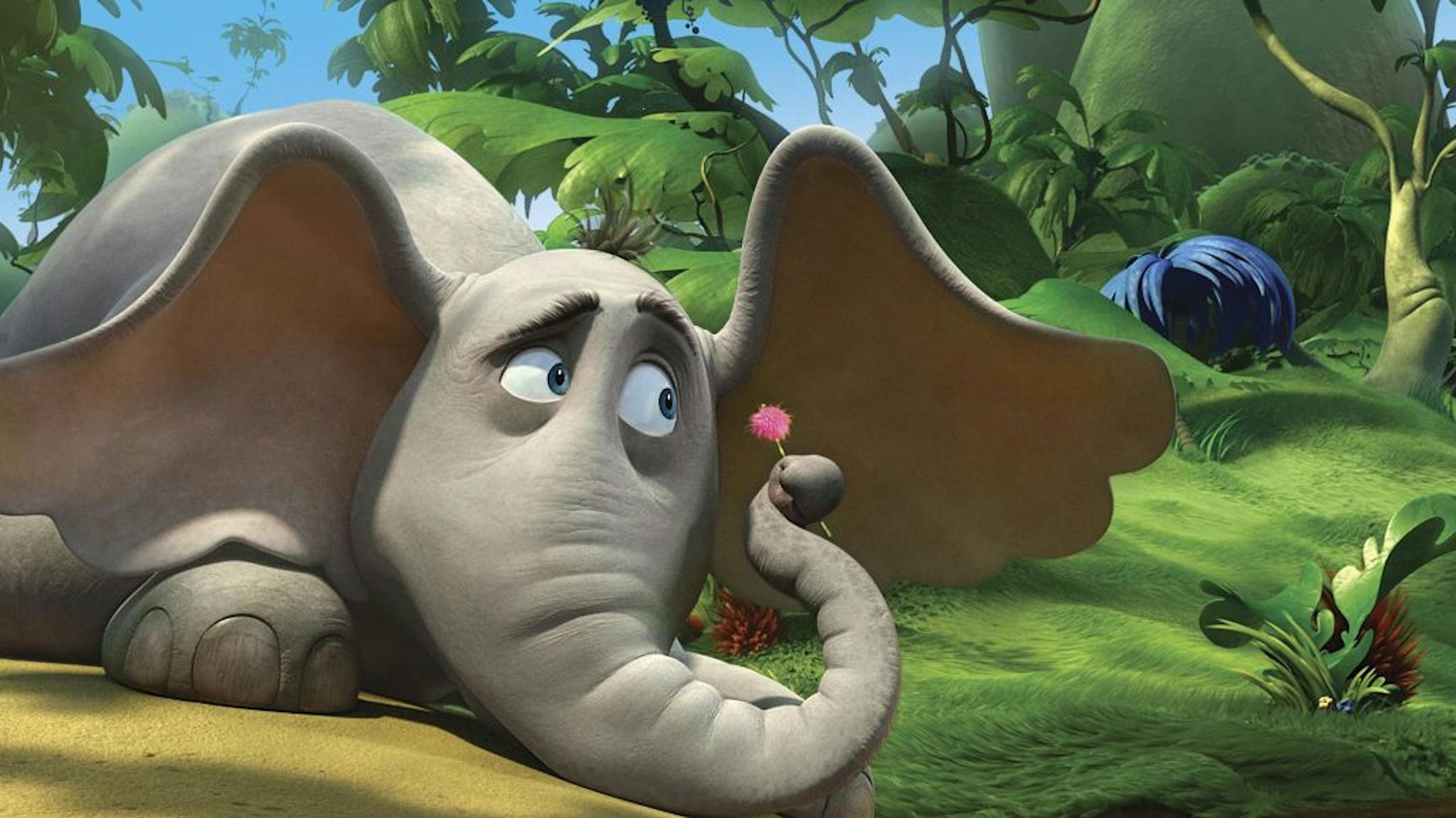
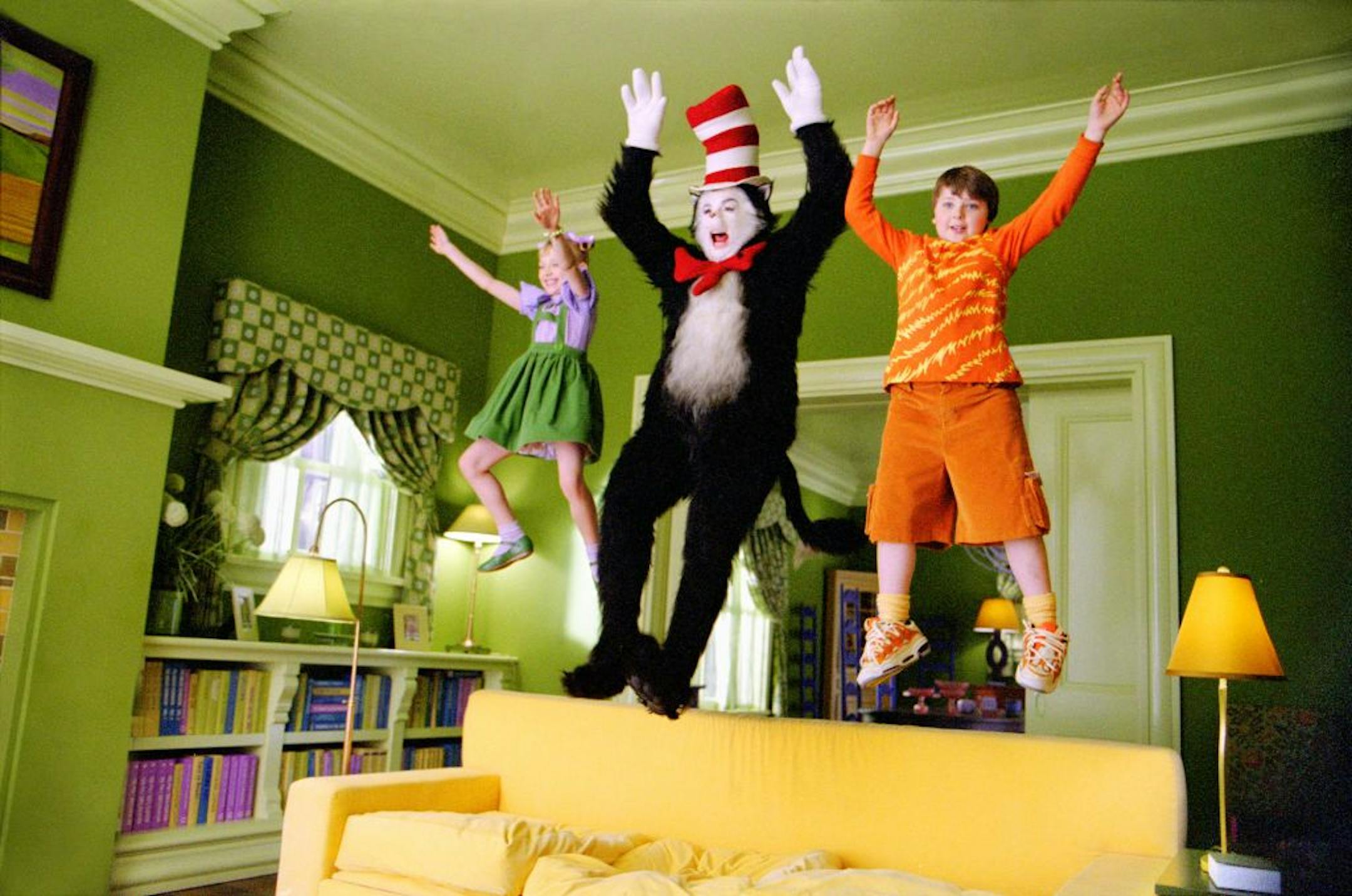
So far, Hollywood is batting 1-for-3 on Dr. Seuss, having struck out critically with the first two -- "How the Grinch Stole Christmas" and "Dr. Seuss' the Cat in the Hat" -- but getting back in good graces with the animated "Horton Hears a Who!"
While he dismissed the idea of actors portraying his characters, Dr. Seuss was a fan of animation, and, in 1942, he agreed to a 10-minute short of "Horton Hatches the Egg" as part of the Looney Tunes series.
Then, in 1966, he co-produced "How the Grinch Stole Christmas," a 26-minute adaptation of his 1957 book for CBS that was directed by Chuck Jones, of Bugs Bunny and Daffy Duck fame, and narrated by horror legend Boris Karloff. It's gone on to be a classic, ranked by TV Guide as the No. 1 holiday family special.
He collaborated with Jones on two more TV specials, "Horton Hears a Who!" (1970) and "The Cat in the Hat" (1971), which is now a PBS series. There were other animations in the '70s and '80s, including one of "The Lorax" in 1972.
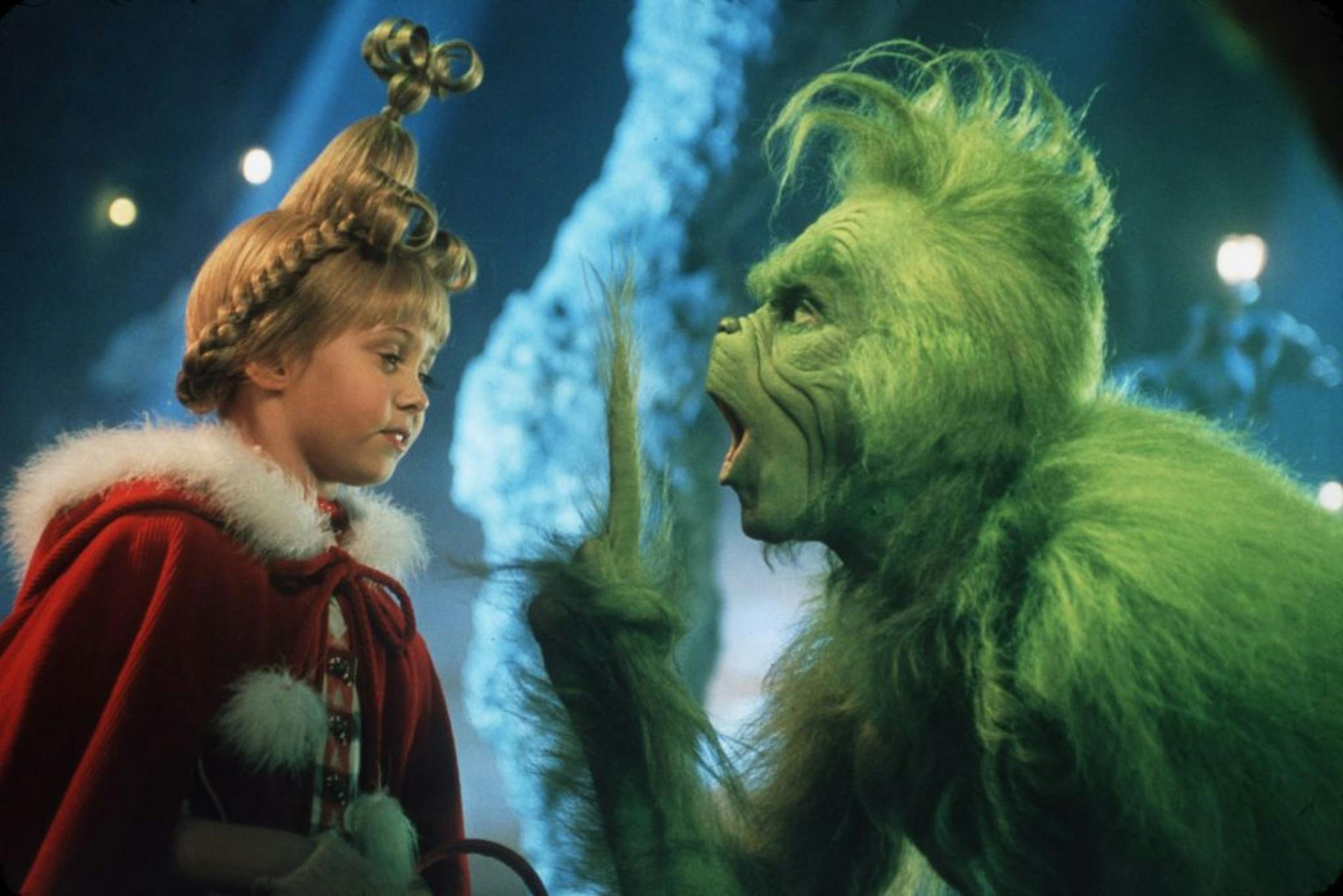
It wasn't until he died in 1991, at 87, that Hollywood got its paws on the Seuss canon, thanks to his widow, Audrey Geisel, who approved a live-action film version of "How the Grinch Stole Christmas." And that's where the story begins:
"How the Grinch Stole Christmas" (2000)