

In 1980, in one of his first big TV interviews, Donald Trump was asked whether television was ruining politics.
"It's hurt the process very much," Trump told NBC's Rona Barrett. "Abraham Lincoln would probably not be electable today because of television. He was not a handsome man, and he did not smile at all. He would not be considered to be a prime candidate for the presidency — and that's a shame, isn't it?"
But in the years since Trump lamented the negative effect of TV, he has embraced it as no other presidential candidate in history and has even derided rival candidates he deems not telegenic. Hillary Clinton, he said, doesn't have "a presidential look, and you need a presidential look."
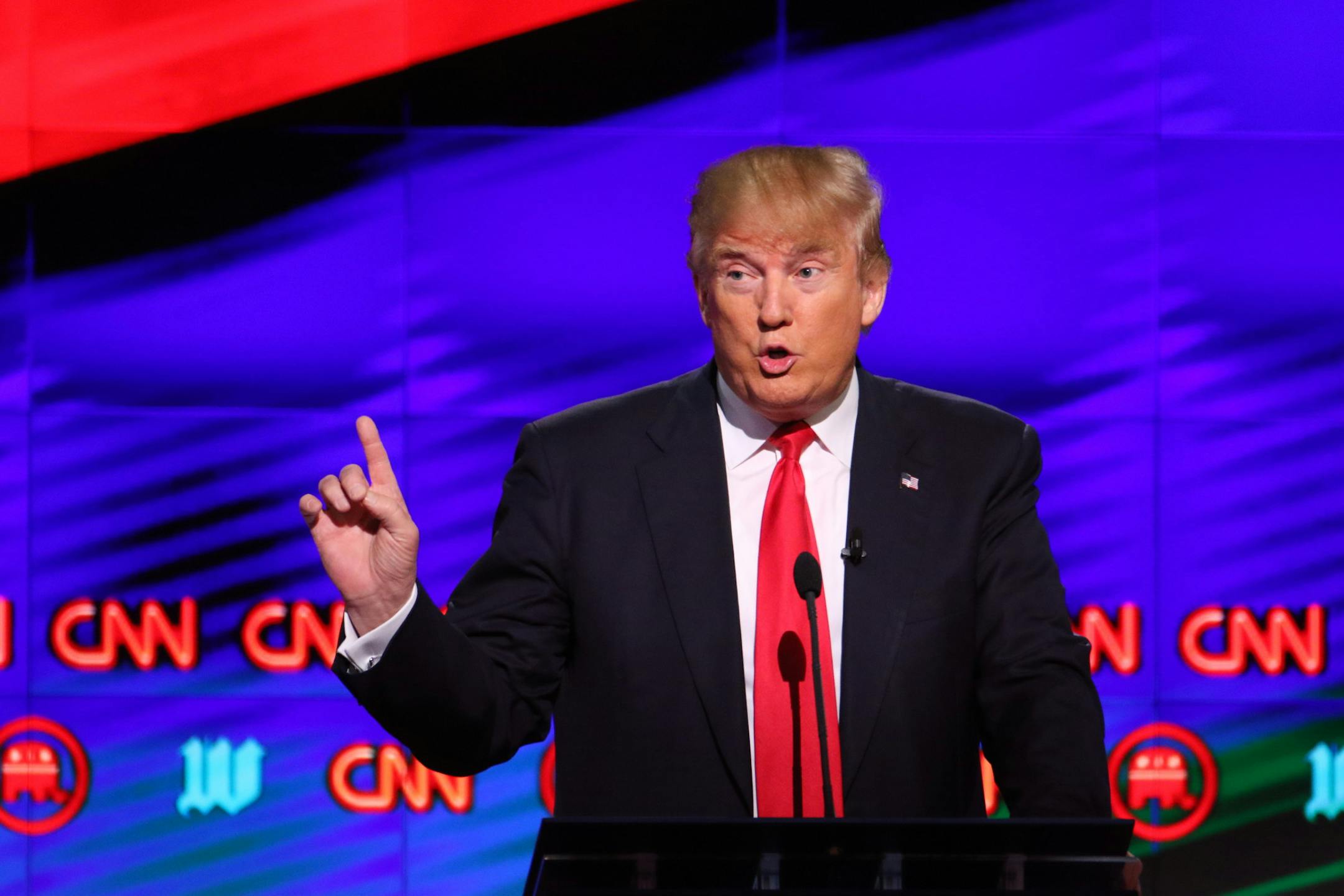
On Monday, Trump is set to face Clinton in a presidential debate before as many as 100 million viewers, an unprecedented audience for a U.S. political broadcast that would approach Super Bowl ratings. As a former reality-show star with unmatched TV experience, Trump will walk onstage with expectations that his showman's flair will be on full display.
While real estate made him money, TV made him famous. Trump, who has never held elected office, became a household name through television, mainly his starring role for 14 seasons in "The Apprentice" and "The Celebrity Apprentice." The self-described "ratings machine" is as defined by television as past presidents have been defined by military or public service.
"He had a lifetime of experience with TV, and he understands the power of the medium in a way that many presidents have not," said Leonard Steinhorn, an American University communications professor who teaches a class on the presidential election. "Donald Trump set out in this campaign to dominate the [TV] experience, to keep people glued in and to define the parameters of how we all experience this election. Hillary Clinton doesn't have the artfulness or the personality to compete with that."
Clinton supporters criticize Trump as a shallow, small-screen showman; they say voters want more than a TV talent in the Oval Office. In the end, they say, 90-minute one-on-one debates will starkly contrast the candidates' depth of knowledge. Public opinion backs that up: Most Americans have higher debate expectations for Clinton than Trump, according to one recent survey conducted by CNN.
"If he was a genius at using TV, more people would like him," said Stuart Stevens, chief adviser to Republican Mitt Romney's presidential campaign in 2012. "His belief is all coverage is good coverage. Maybe that's true if you are selling condos, but it's not true if you are selling the presidency."


