

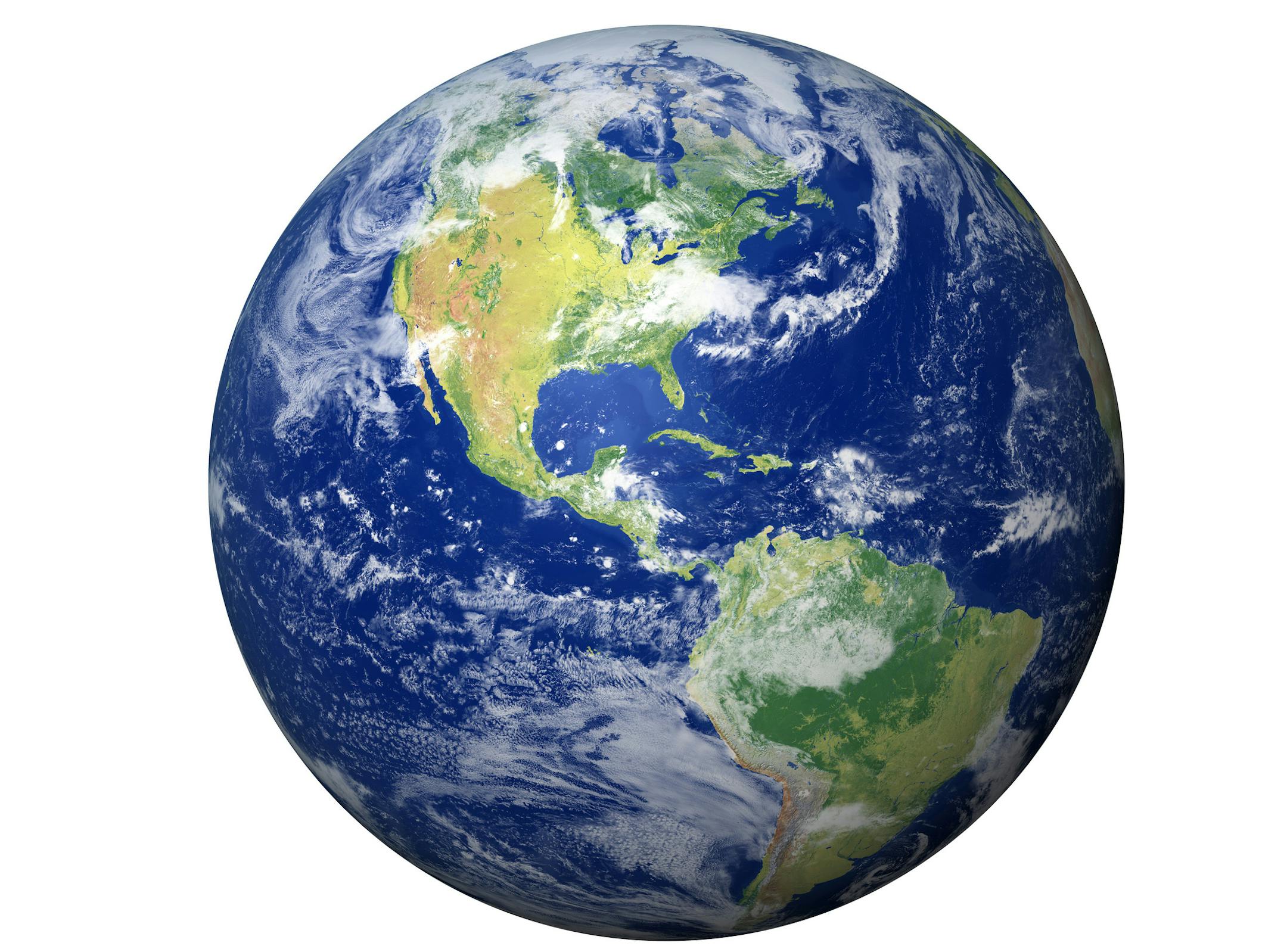
This is good news or bad, depending on your view: The Earth is spinning faster than ever, and that means the days are shorter. Have you noticed this? Seen your coffee cup start to shimmy toward the edge of the table?
Probably not. The actual amount of time we've lost is 1.4602 milliseconds a day. So if you lay your head down at night and think, "Where did the day go?" the increased speed probably isn't the reason.
You might be thinking, "The country is coming apart at the seams, and this is the meaningless drivel you're taking up space with?" To which I have two responses:
The correct phrasing is "this is the meaningless drivel with which I'm taking up space." Also, while things might be coming apart, we have to ask: at which seams? The one under the arm? You can stitch that up. The one in the crotch? That's worse; if the entire country squats too suddenly, the rip might be too great to mend.
Anyway, back to the story.
"Scientists believe that the Earth is spinning faster than it has in 50 years," the online report said.
The story had a link under "The Earth." Some editors like to lard the online stories with lots of links, which I find odd. It's like inviting someone over to your house, then gesturing at the door constantly to indicate that there is something more interesting happening somewhere else. You can stop reading the online article whenever you want and leave, you know. But an editor looks at that sentence and immediately decides that people need to be teased with the chance to learn more about the Earth.
Or do they? When you think about it, Earth is a strange name. It refers not just to the planet but the rich crumbly stuff on the surface. This means after you've dug down past the layer of earth, you're still digging through Earth. Except it's rock, which no one would call earth. If you throw a handful of pebbles on the floor, your partner doesn't ask, "Who tracked in all this earth?"


