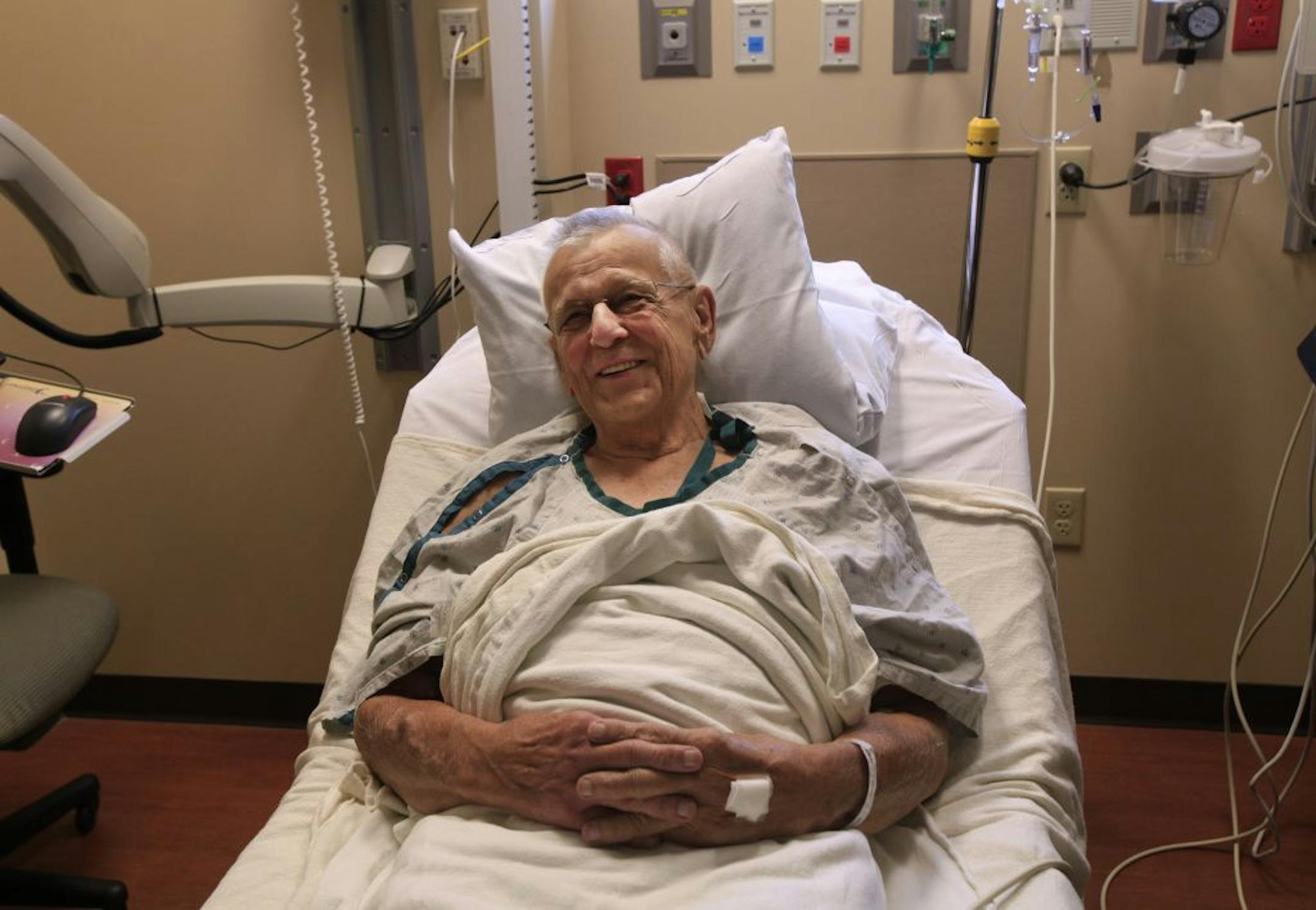
Considered at risk of sudden cardiac arrest, Francis Valek may someday need the life-saving jolt that an implanted cardioverter defibrillator (ICD) provides.
Trouble is, the 78-year-old from Farmington also receives dialysis three days a week, which increases his risk for infection. As a result, doctors concluded that Valek wasn't a good candidate for ICDs because of the devices' wires -- called leads -- that snake their way into the heart.
But what about an ICD without those wires?
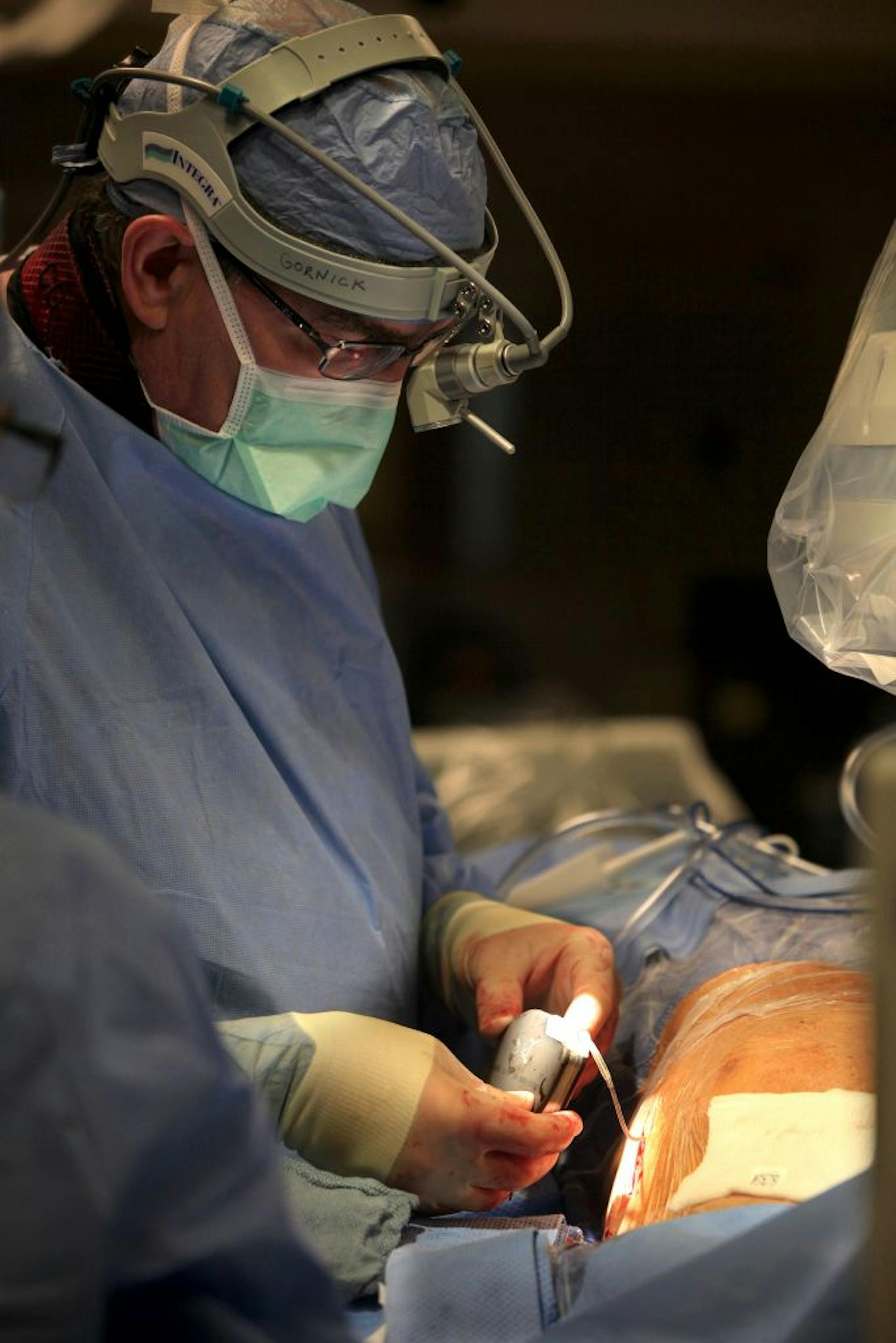
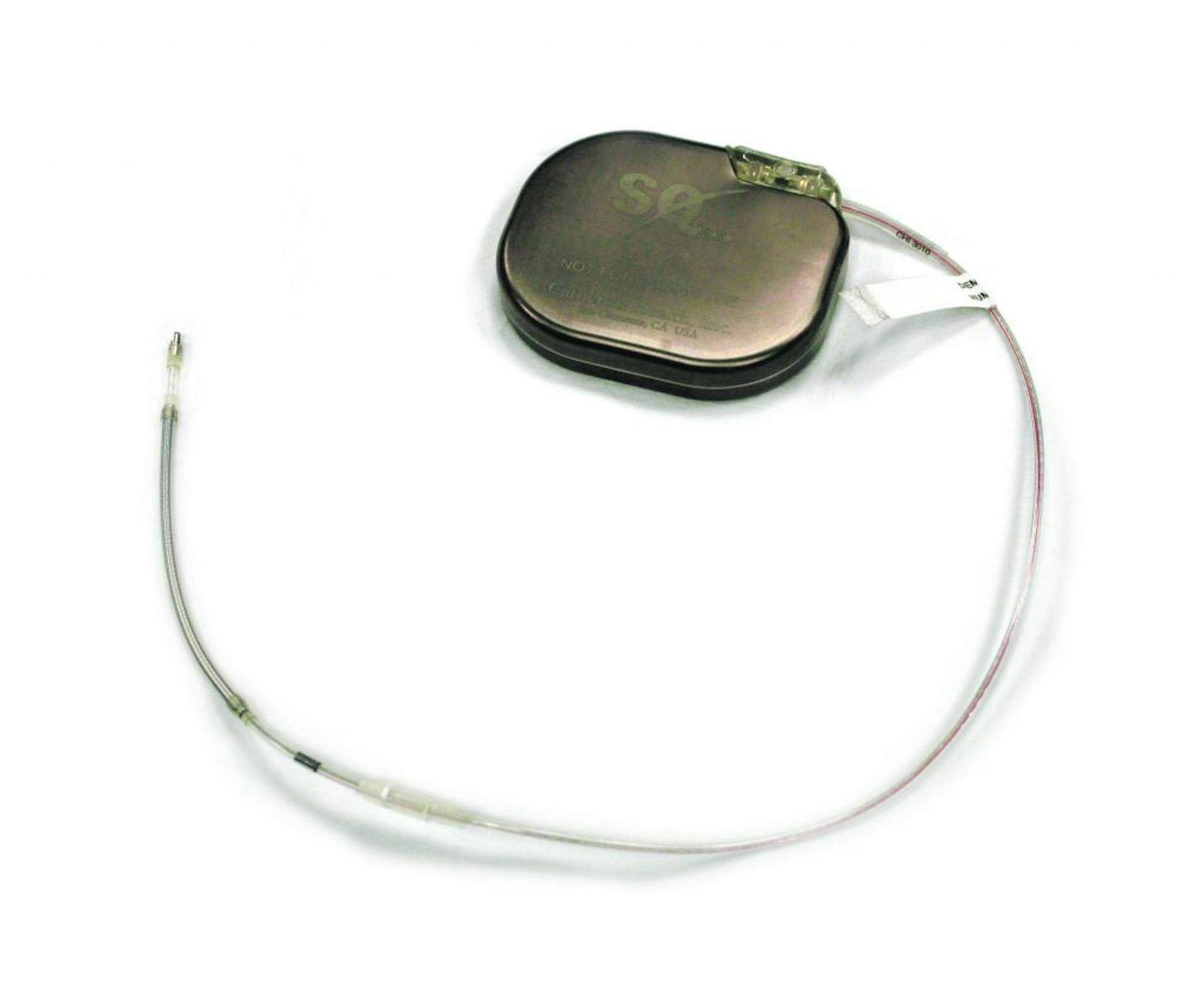
At Abbott Northwestern Hospital in Minneapolis on Tuesday, Valek became the first Minnesotan to be implanted with Boston Scientific's subcutaneous implantable ICD (S-ICD) -- the world's first defibrillator that does not connect to the heart with wires. In fact, the device delivers its jolt without actually touching the heart at all. A lead runs beneath the skin from the device to just above the breastbone.
Officials at Boston Scientific Corp. say the S-ICD will not only attract patients who have not been able to benefit from such technology in the past because of complications; they think it will attract doctors and patients who have been scared off by problems associated with leads.
Leads that run through the vascular system into the heart have come under increasing scrutiny in the past few years. Short circuits caused by faulty wires have been associated with several deaths. Inner wires working through the outer insulation of St. Jude Medical's recalled Riata leads have raised fears that some ICDs will fail to deliver a shock to the heart when needed.
Dr. Charles Gornick, a heart rhythm specialist with the Minneapolis Heart Institute at Abbott Northwestern, has implanted more ICDs with leads than he can recall. For many patients, he said, ICDs with leads work just fine.
But leads, he said, have finite longevity. Leads can make people more susceptible to infection. Leads break. And for young patients who need heart rhythm devices, the prospect of removing faulty leads several times over their lifetime is a problem, he said.