

The decision this month by a federal court striking down the criminalization of polygamy in Utah was met with a mix of rejoicing and rage. It's true that the Utah ruling is one of the latest examples of a national trend away from laws that impose a moral code. There is a difference, however, between the demise of morality laws and the demise of morality. This distinction appears to escape social conservatives nostalgic for a time when the government dictated whom you could live with or sleep with. But our morality laws are falling, and we are a better nation for it.
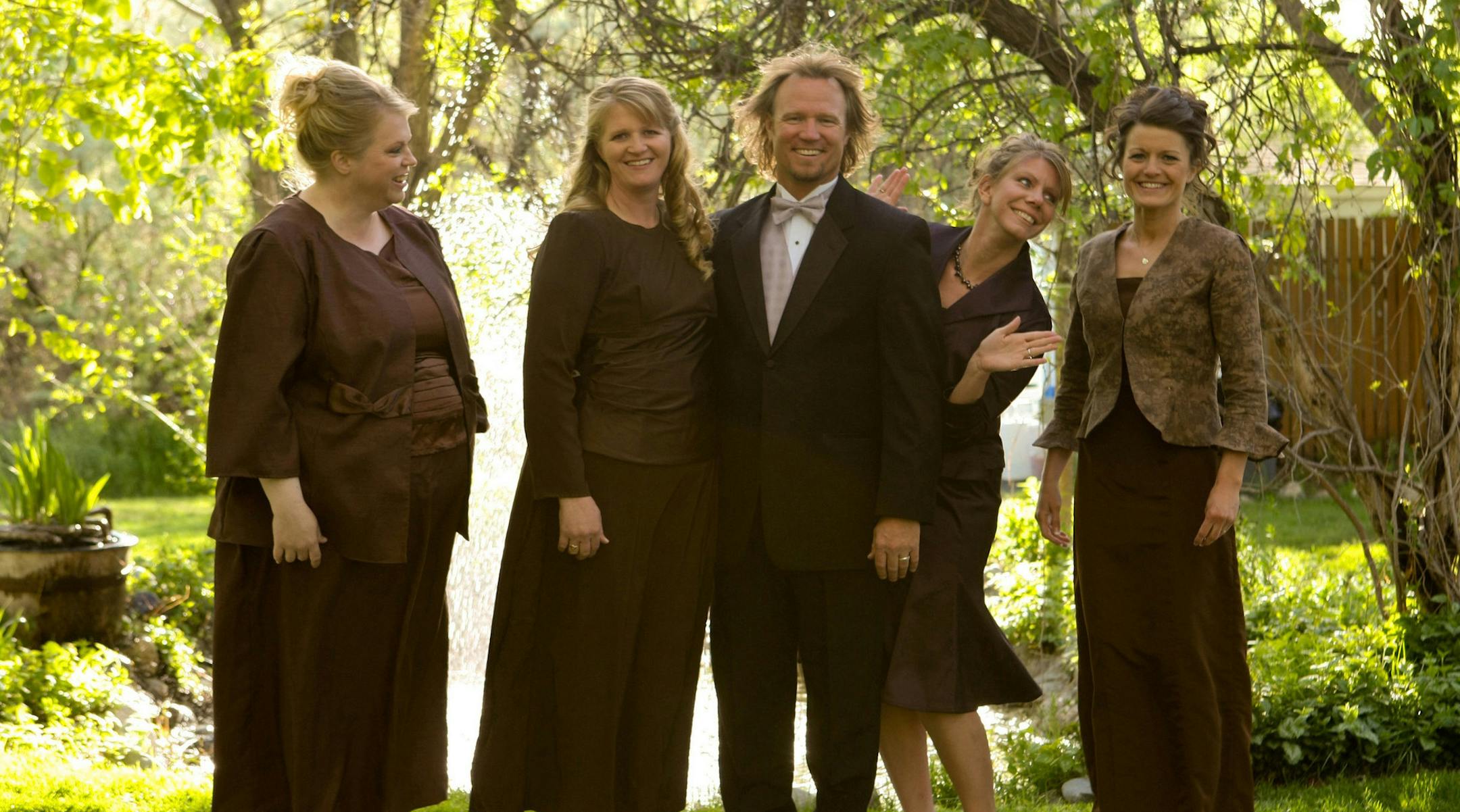
I was the lead counsel for the Browns, the Utah polygamous family featured in the TLC reality program "Sister Wives." They are members of the Apostolic United Brethren Church, and they have one marriage license and three "spiritual" marriages among them.
After the first episode of "Sister Wives" aired, state prosecutors threatened to bring charges under a Utah law that made it a crime when a married person "purports to marry another person or cohabits with another person." The Browns were under investigation before they took prosecutors to court in a challenge to the constitutionality of the law.
The case was never about the recognition of multiple marriages or the acceptance of the religious values underlying this plural family. It was about the right of consenting adults to make decisions for themselves. Judge Clark Waddoups, a conservative George W. Bush appointee, ruled that the criminalization of cohabitation clearly violated the due process clause and the free exercise clause of the U.S. Constitution.
In doing so, he departed from the prevailing precedent: the Supreme Court's opinion in Reynolds vs. United States, which upheld a ban on polygamy in 1879. Waddoups wrote that courts today are "less inclined to allow majoritarian coercion of unpopular or disliked minority groups, especially when blatant racism … religious prejudice, or some other constitutionally suspect motivation, can be discovered behind such legislation."
In Reynolds, religious and racial prejudice were vividly on display. The court unleashed a tirade of indignation, stating, "Polygamy has always been odious among the northern and western nations of Europe, and, until the establishment of the Mormon church, was almost exclusively a feature of the life of Asiatic and of African people."
The idea that polygamy was a "barbarous practice" and contrary to democratic principles drove the demand in the late 1880s and '90s that Utah outlaw it as a condition of statehood.
The stigma attached to polygamy continued to distort legal analysis into this century. As recently as 2006, Utah Justice Ronald Nehring began his opinion in a ruling upholding the criminalization of polygamy by lamenting, "No matter how widely known the natural wonders of Utah may become, no matter the extent that our citizens earn acclaim for their achievements, in the public mind Utah will forever be shackled to the practice of polygamy." Nehring warned any Utah judge of the peril of being the first to recognize that polygamy enjoys constitutional protection.


