

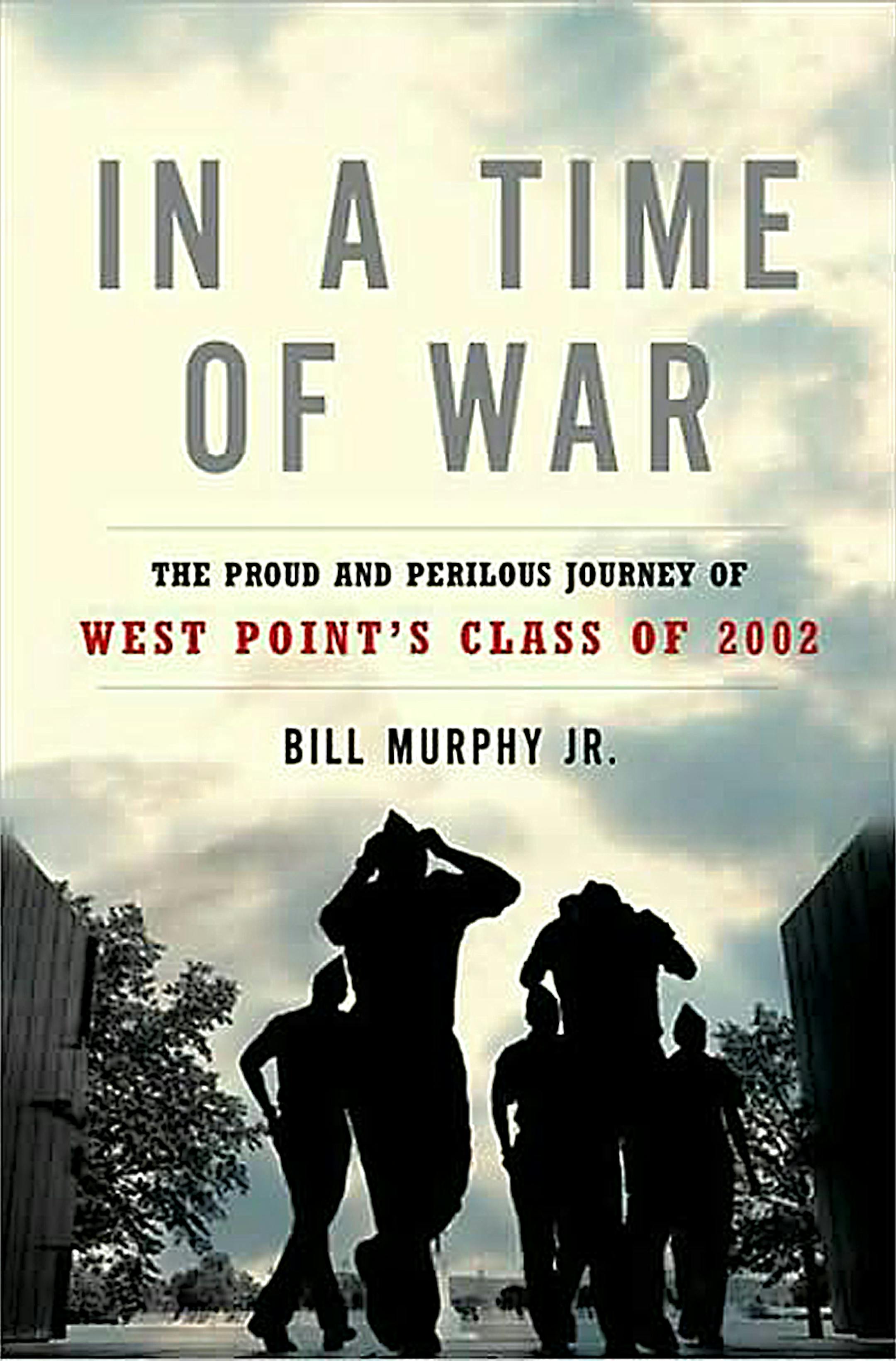
There are a number of remarkable elements in Bill Murphy's "In a Time of War." First is his uncanny ability to coax small, intimate details from his subjects. Second is his outstanding writing. He weaves the moments that make a life into an astonishingly compelling tapestry.
But most extraordinary is how he manages to avoid histrionics. This book is about sending some of our finest young men and women off to a war from which some will not return. Murphy allows the simple yet eloquent words of the subjects and their loved ones to take center stage; the book is more powerful for his restraint.
The cadets come from all parts of the country but share a number of traits. Most grew up in conservative families. Many have military backgrounds. And all believe in an old-fashioned Norman Rockwell America.
But does that exist? "Americans no longer believed they had to serve their country in the military to be good citizens," Murphy writes. "Instead, they simply had to 'support the troops,' whatever that might mean."
And sometimes not even that. Jen Bryant's calculus professor doesn't believe her husband is going off to war. He schedules a test while she's gone and fails her when she doesn't show up.
This is a book filled with these kinds of moments -- maddening, sad and occasionally inspiring. The parents of one serviceman killed in action comfort the colonel who calls to tell them.
Meanwhile, a bureaucrat in Washington wants to stop paying a small allowance for families staying near Walter Reed Hospital to be near badly injured loved ones.
Most of the cadets become disillusioned. Todd Bryant, Jen's husband, writes home: "These people just frustrate me. They don't want our help here and we could probably never 'win' this war." Days later he dies when a roadside bomb goes off under his Humvee. Shortly thereafter, Jen attempts suicide.


