WASHINGTON – In more than four hours of intense and hostile questioning on Thursday, lawmakers denounced Wells Fargo's history of illegally created sham bank and credit card accounts opened by its employees in the names of real customers: It was "theft," "a criminal enterprise," identity fraud, an outrage, and a devastating blow to the entire banking industry.
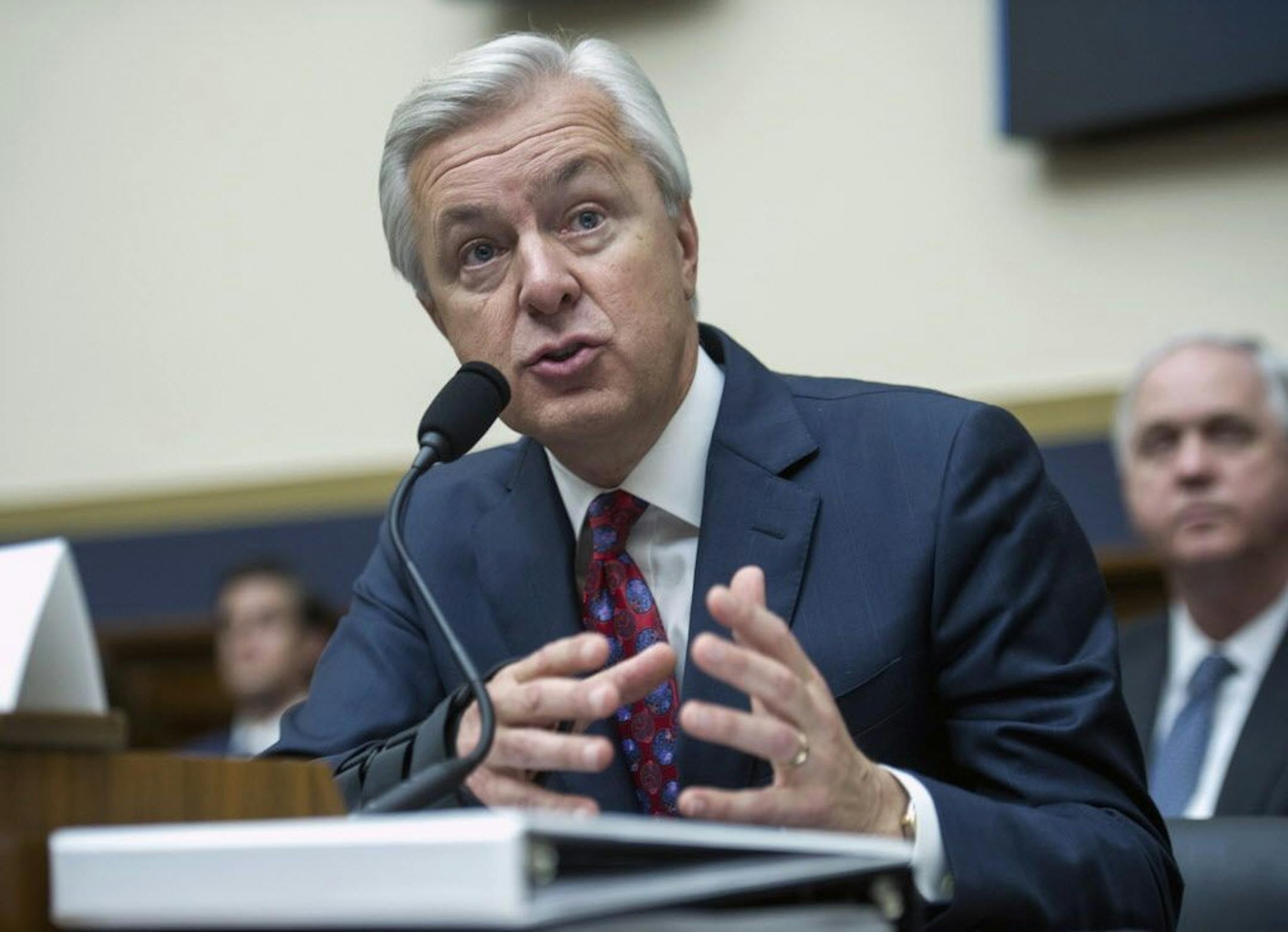
But the company's chief executive, John Stumpf — whom the members of the House Financial Services Committee personally blamed for the persistent and widespread misdeeds — stuck to the same script he has used throughout the crisis. The problem, he explained, was an ethical lapse limited to the 5,300 employees, most of them low-level bankers and tellers, who had been fired for their actions since 2011.
At the hearing on Thursday, Stumpf, a native of Pierz, Minn., apologized repeatedly for his bank's failings and repeated his earlier pledge — given last week to the disgruntled Senate Finance Committee — to accept "full responsibility" for them. But he again rejected lawmakers' attempts to cast the scandal as a consequence of broader failings in Wells Fargo's leadership and corporate culture.
"I led the company with courage," Stumpf said.
In between the Senate's hearing with Stumpf and the House's, the board of directors of Wells Fargo agreed to claw back $41 million of Stumpf's unvested stock awards, deny him his annual bonus this year, and strip away a portion of his $2.8 million base salary. Stumpf, the board's chairman, said he approved of the decision. Carrie L. Tolstedt, who until recently ran the Wells Fargo retail banking operation, will lose $19 million in compensation.
Confronted by lawmakers with evidence that the practice of setting up phony accounts to meet sales goals might have gone back much further than the bank has admitted, perhaps to 2007, Stumpf said that Wells Fargo was continuing to investigate the extent of the problem, how far back it stretched and who knew.
But those steps did not appease the lawmakers. Several called for Stumpf's resignation, and others asked why he shouldn't be jailed, like a bank robber.
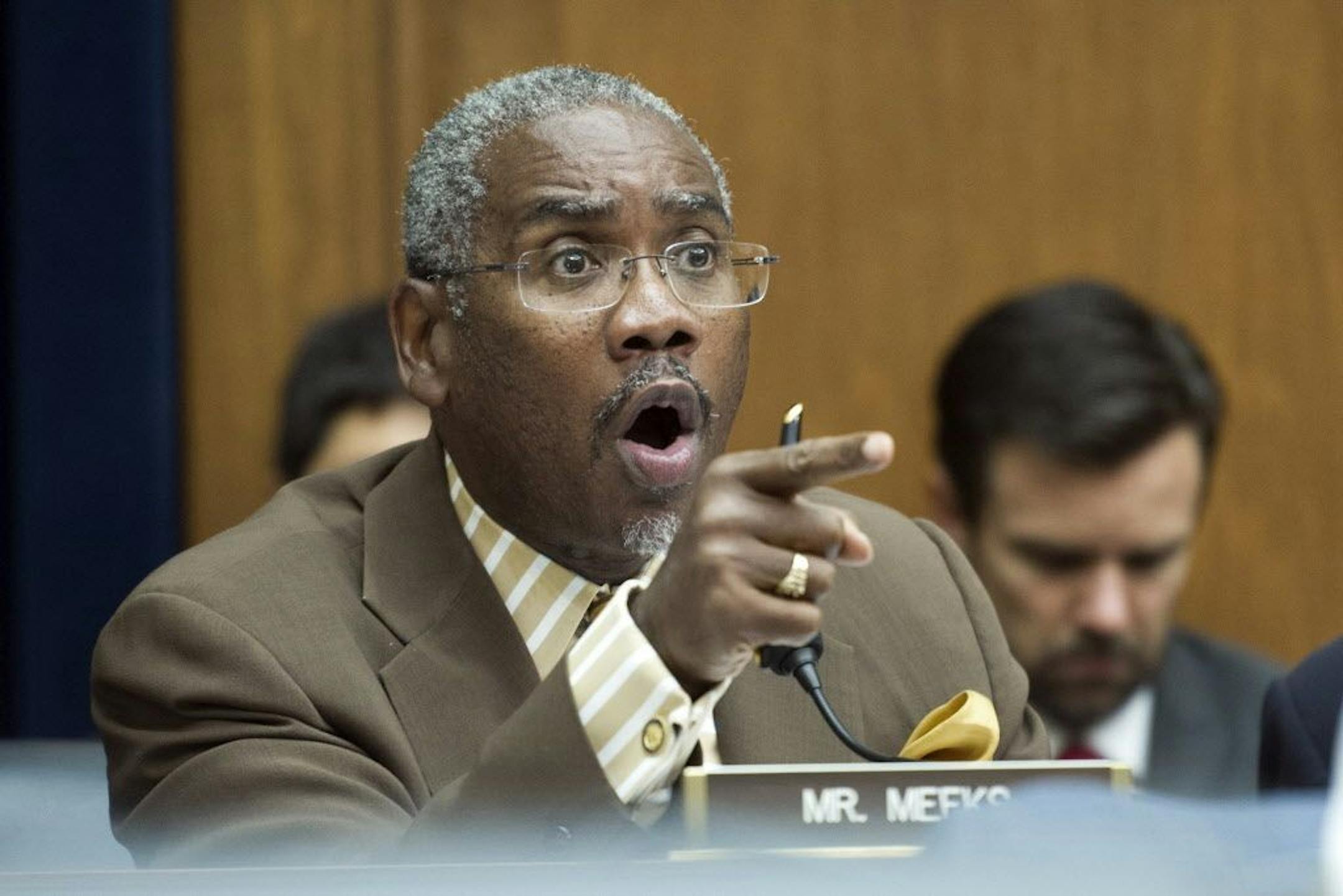
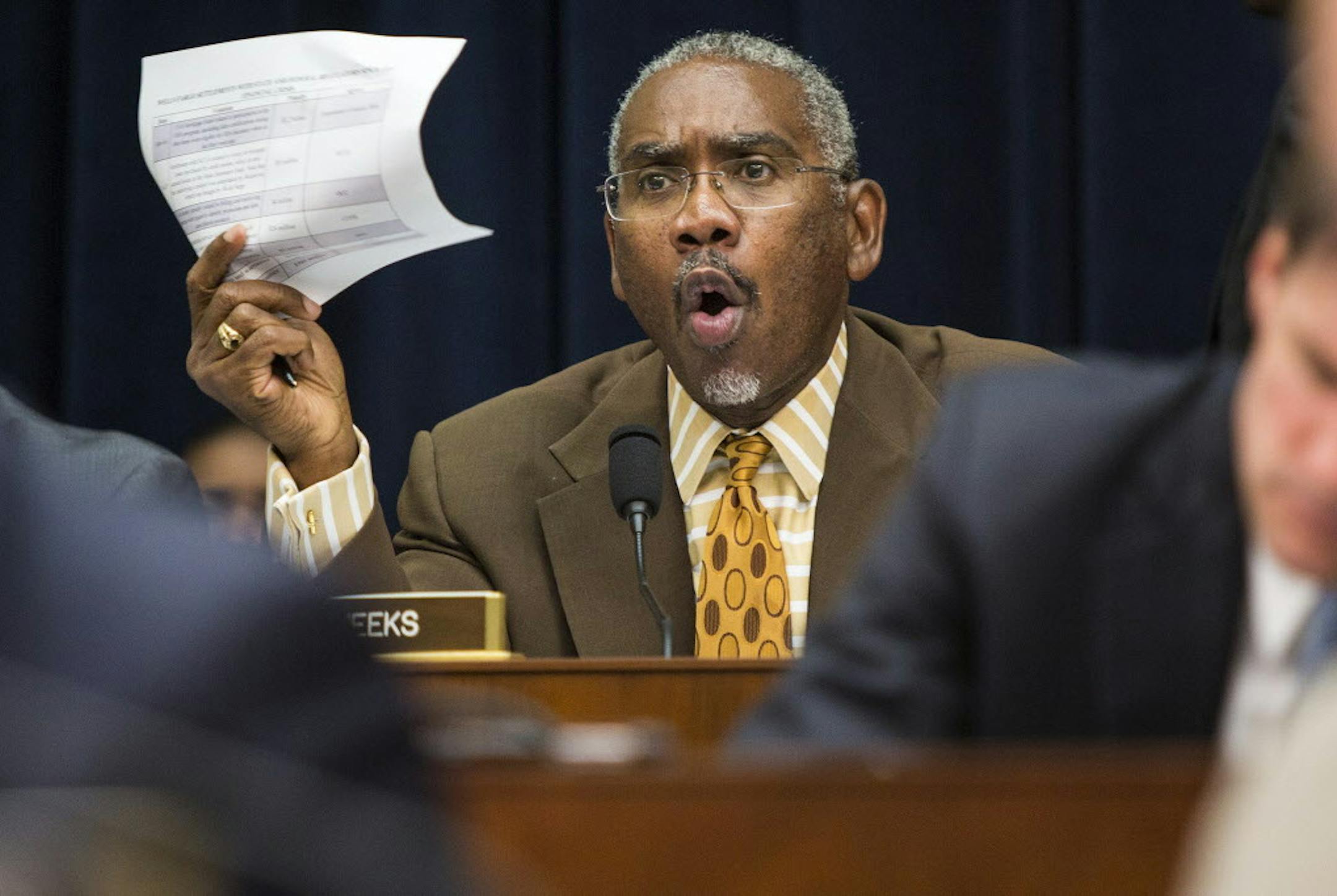
"Something is going wrong at this bank, and you are the head of it," said Rep. Gregory Meeks, D-N.Y., adding, "You should be fired."