
Latest fare war: Airline vs. online

American's departure from Orbitz is seen as a fight for control of the airline reservation system.

January 7, 2011 at 5:12AM
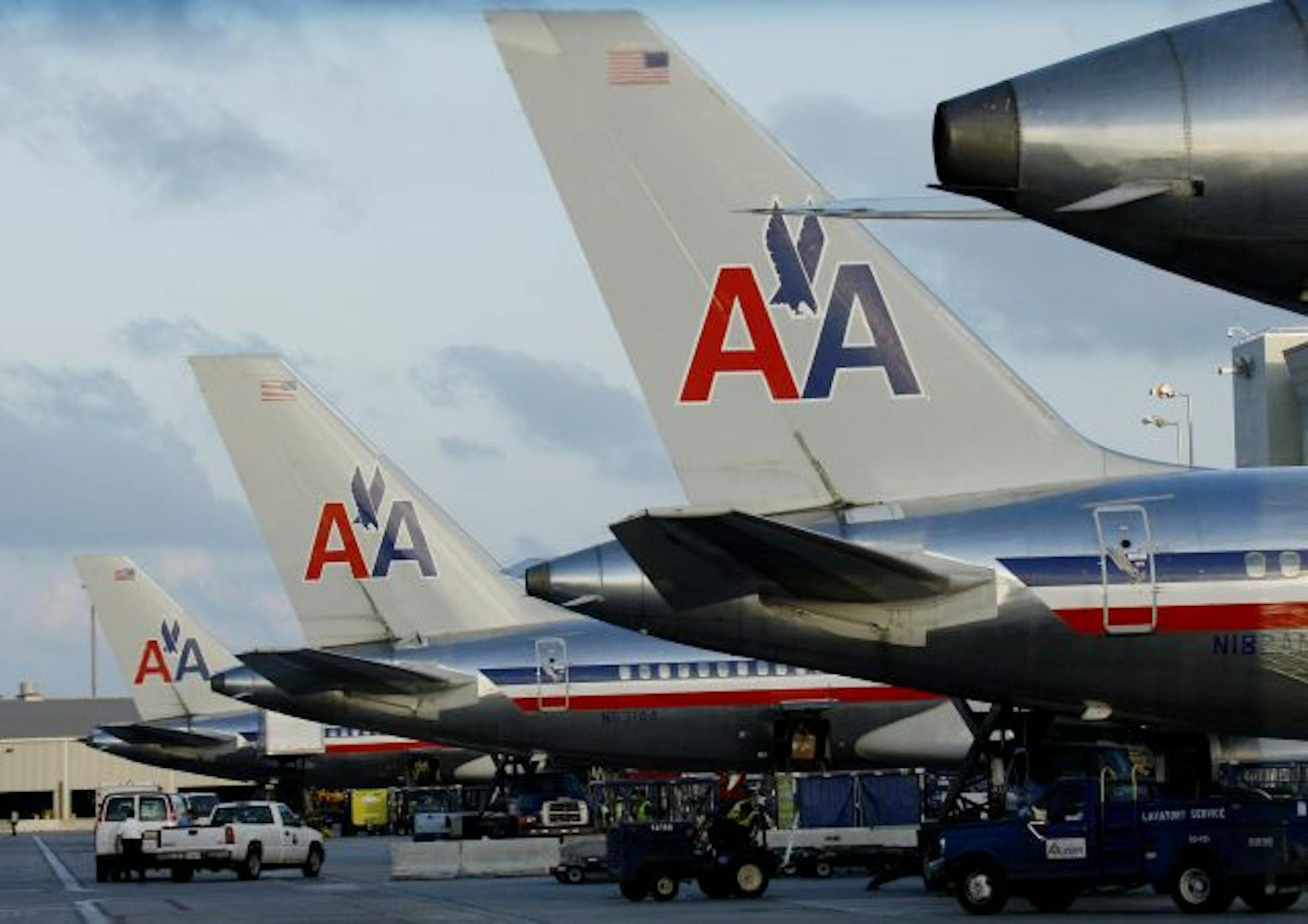
American Airlines planes parked at Miami International Airport.
American Airlines planes parked at Miami International Airport. (Associated Press/The Minnesota Star Tribune)

Travel industry watchers say a struggle is brewing for control of the air travel reservations, and that travel websites and even some travel agents are already feeling the effects.

American Airlines and online ticketing sites Orbitz and Expedia are at odds over the airline's efforts to steer more air ticket purchases through its new reservation system. As a result, American's flights are no longer sold through Orbitz and Expedia.

"American Airlines wants to stop paying the global distribution systems fees and instead have people come to them directly," said Charlie Leocha, director of the nonprofit Consumer Travel Alliance in Washington, D.C., a subscription-supported consumer advocacy group.

For Expedia and Orbitz, the conflict has compromised one of the major benefits of travel websites -- one-stop shopping. If other airlines follow, it could alter how travelers book their flights and, ultimately, how much they pay.

In recent years, the Internet has provided travelers with all sorts of tools to find the best flights at the best prices. Websites such as Orbitz, Expedia and Travelocity have access to global databases of flight and fare information.

But last month, American Airlines said it wanted online travel website Orbitz to use a new American computer reservation system that was completely separate from the system used by most websites and travel agents to compare flights and fares from all airlines. Orbitz refused, and American stopped supplying the website with flight information. Expedia then dropped American Airlines in support of the Orbitz position.

A few days later, Sabre, the online database of flight and fare information that serves most U.S. travel agents, downgraded American's position in its listings and said it would drop American's flight listings next August. For now, Sabre's action means fliers using U.S. travel agents must allow some extra time searching for American's flight details.

While no other airlines have gone to American's lengths, Delta Air Lines is making some moves. Last month, the airline dropped CheapOAir.com, OneTravel.com and BookIt.com, saying some sales outlets are less valuable than others. And after Friday, Delta will no longer provide information to Airfare.com, CheapAir.com, Vegas.com, AirGorilla.com and Globester.com.

Harm for consumers?

The immediate impact on consumers is negligible, given the number of airlines and travel websites that are available. Southwest Airlines, for example, doesn't use online travel sites.

Still, travel agents are worried. The American Society of Travel Agents says the American-Orbitz confrontation was the beginning of the airline's campaign to force the travel industry into an expensive computer system upgrade. It said the change would make it harder for consumers and travel agents to compare airline prices and ultimately would raise ticket prices.

Tim Smith, an American Airlines spokesman, said the upgrade won't be that expensive for the travel industry, won't cost consumers or individual travel agents and won't disrupt flight comparisons -- so long as all go along with American's plan.

'A step backwards'

So far, the flight-comparison system has been disrupted only to the extent that some travel websites no longer provide information about American Airlines. But if the flow of information to the global distribution systems were disrupted, all websites and travel agents would be affected, said Wendy Weigel, vice president of travel at AAA Minneapolis, based in St. Louis Park.

"It would be a step backwards if travel agents had to start going to all the different airline websites," she said.

Smith of American Airlines agreed that the global distribution systems (GDS) firms would have to abandon their current software systems in order to get American's flight and fare information, while at the same time getting smaller fees from American for posting its information on their new software systems.

"The only ones who are complaining are the GDS middlemen who stand not to make as much money," Smith said.

Paul Ruden, senior vice president for legal and industry affairs at the American Society of Travel Agents, disagrees. "The software upgrade cost for the travel industry would be huge," he said. "And it's nonsense to say that this is not going to cost consumers."

In the meantime, the dispute will hurt American and the excluded online resellers, Leocha said. For American, the loss of bookings from Orbitz and Expedia is estimated at $2 billion a year. For Expedia, it means fewer airline offerings for customers.

"The change might save American some money in the long run, but they're looking at whopping losses right now," Leocha said. "Expedia hurt their own business by dropping American Airlines. But they believe that people who want to compare prices and get the best airline deal will still come to Expedia, even though American is no longer included."

Steve Alexander • 612-673-4553

about the writer

about the writer

Steve Alexander

Columnist/Reporter

See Moreicon

More from Minnesota Star Tribune

See More
card image
J. SCOTT APPLEWHITE, ASSOCIATED PRESS/The Minnesota Star Tribune

The "winners" have all been Turkeys, no matter the honor's name.

In this photo taken Monday, March 6, 2017, in San Francisco, released confidential files by The University of California of a sexual misconduct case, like this one against UC Santa Cruz Latin Studies professor Hector Perla is shown. Perla was accused of raping a student during a wine-tasting outing in June 2015. Some of the files are so heavily redacted that on many pages no words are visible. Perla is one of 113 UC employees found to have violated the system's sexual misconduct policies in rece