

Back in 1896, the Great Minnesota Get-Together had just one bathroom for women — "crude and in bad condition," according to one writer — reflecting what was then a male-dominated State Fair.
"Although there was much being done for the education, profit, and amusement of men, there was but little to attract the women and children outside of the grandstand," according to that 1910 history book. "There were very few exhibits that would interest them except in a general way … no place where any one could sit and rest after tramping for hours, and at the same time witness or listen to something that would prove interesting and entertaining."
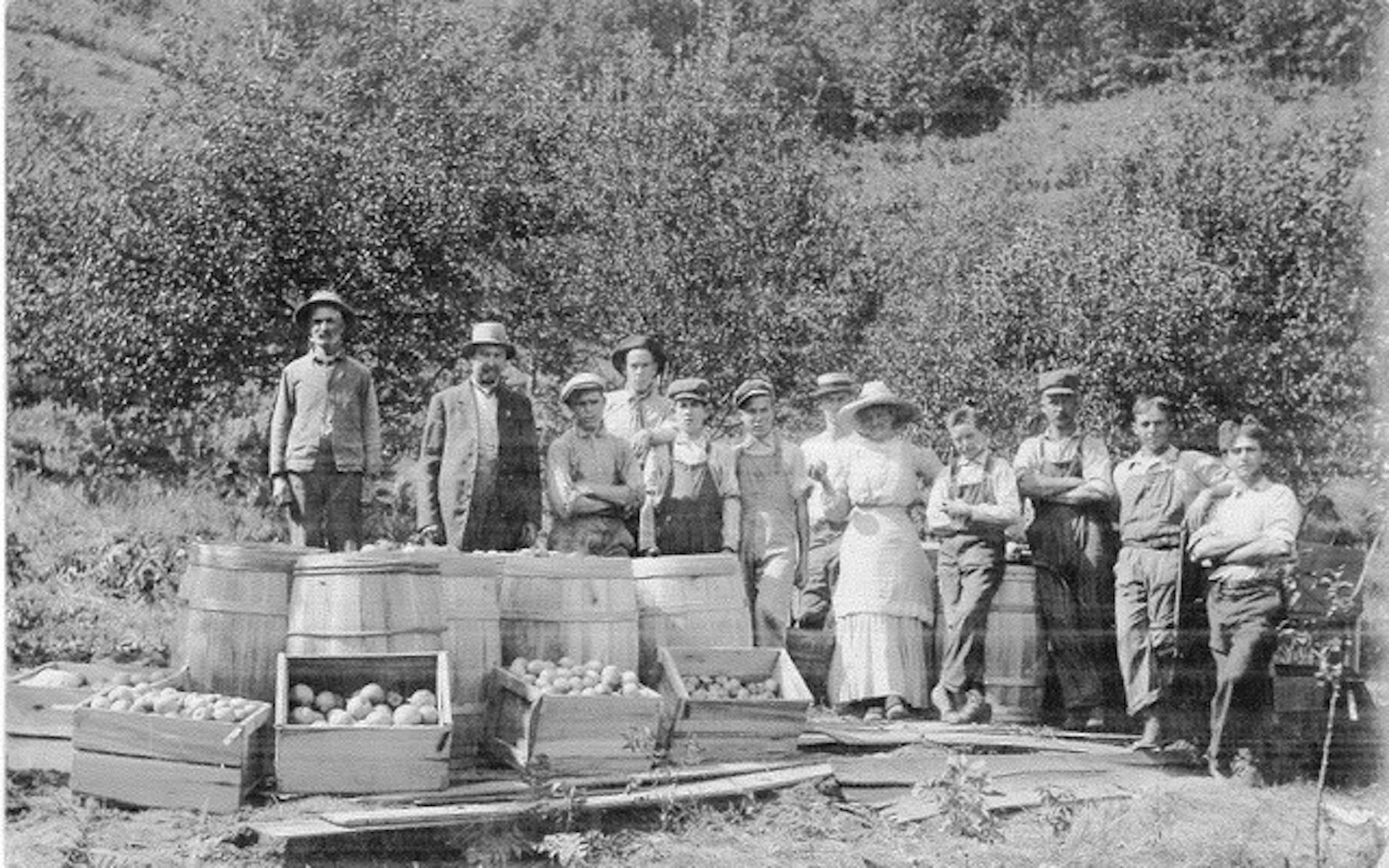
Enter Anna Bingham Sargeant Underwood, who managed a fruit orchard in Lake City, Minn., fought for women's right to vote and was largely responsible for making the State Fair female-friendly.
"Throughout her life, Anna Bingham Underwood was an advocate for the betterment of women, children, families and rural communities" and left "an indelible imprint" on the State Fair, according to Katie Himanga.
Himanga, 63, is an arborist and former mayor of Lake City whose research for the local historical society includes an Underwood biography on YouTube .
Himanga noted that Underwood Street, the fairgrounds' north-south main drag, was named for Anna's husband of 51 years, Joseph Merritt Underwood. He served on the executive board of the Minnesota State Agricultural Society, operator of the State Fair, for 14 years.
"But her contribution to the State Fair was equivalent to his," Himanga said.
Himanga pointed to an 1899 Minneapolis Tribune article headlined "Woman's part in the fair" in which Anna Underwood discussed her plan to open a central headquarters at the fair where women could network.


