

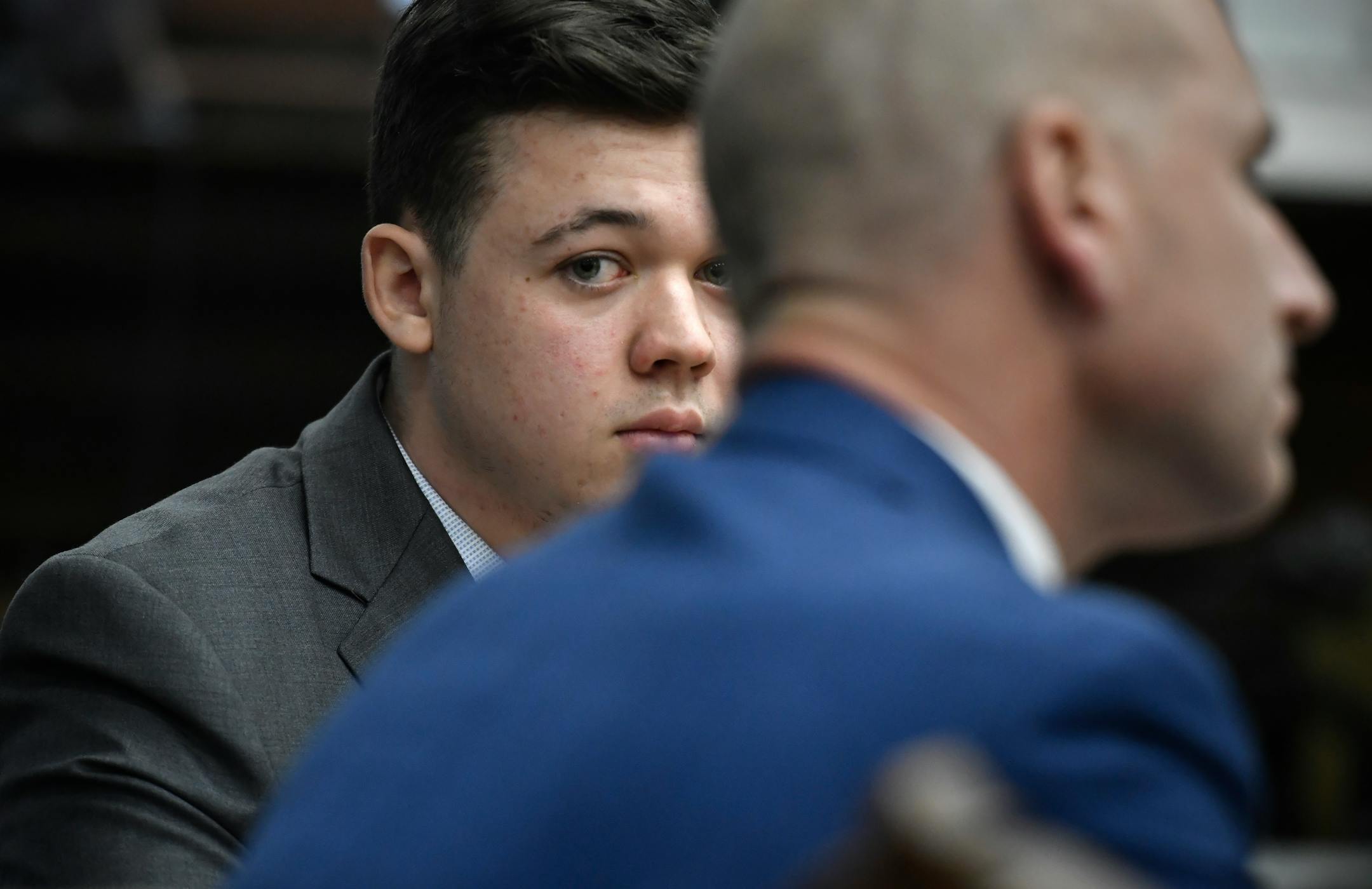
Kyle Rittenhouse is 18 years old. On Aug. 25, 2020, when he killed two men during a night of civil unrest in Kenosha, Wis., he was 17. But when Rittenhouse took the stand during his murder trial, he looked like he could be 13.
Defendants in murder trials often do themselves no favors by testifying in their own defense, but Rittenhouse probably helped himself. He was soft-spoken and polite, occasionally bewildered and, when he described the shootings, credibly emotional.
In short, the boyish Rittenhouse looked and acted like the kid that he is. If his acquittal reflects some sympathy for him on the part of the jury, it's understandable.
To part of the country, Rittenhouse is a hero. To another part, he is a villain. But in some respects, Rittenhouse is a victim as well.
Rittenhouse had no business carrying a rifle or being anywhere near Kenosha. But there's no evidence that he went there to kill anyone. He was enacting a fantasy that featured him as the hero who arrives at a scene of disorder to protect property from looters, to put out fires and to provide medical assistance.
Rittenhouse's rifle is central to his fantasy. He believed — not unreasonably — that he might need to protect himself in a place where arson and looting were occurring and where he could be sure others also would be carrying weapons.
But a key to Rittenhouse is his admission that he chose the AR-15-style rifle at least partly because it "looked cool." For a certain kind of fantastical hero, it's not so much what you do as how you look.
I understand the fantasy that Rittenhouse was living out in Kenosha. It's been a few years, but I was a boy once myself.


