
Kid cranky or stressed? Cut texting

A new study notes a correlation between those who text in the hour before trying to go to sleep at least a few nights a week, with 51 percent less likely to report getting a good night's sleep.

September 6, 2012 at 11:04PM
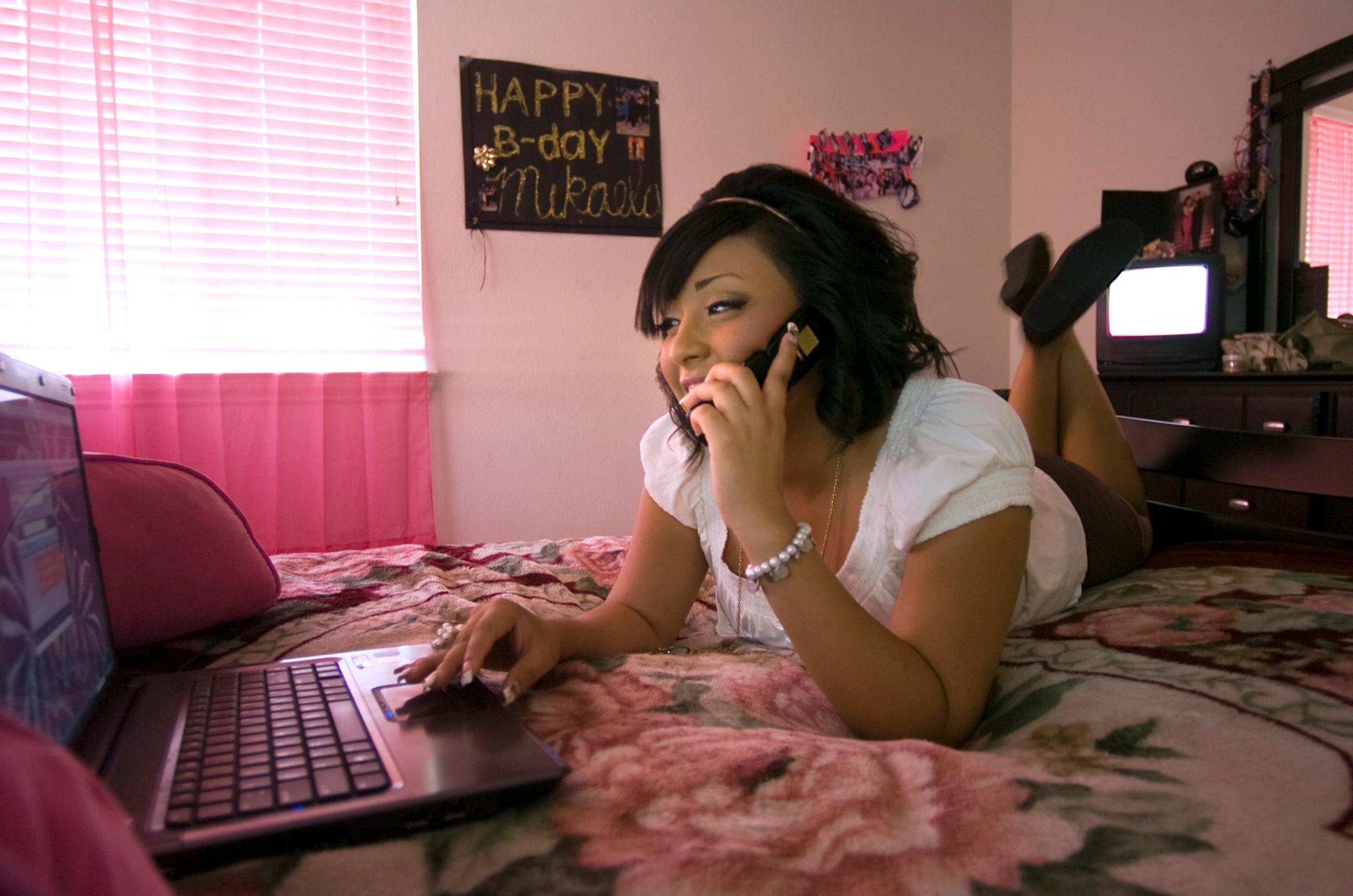
Mikaela Espinoza, 17, talks to a friend on her cell phone while checking her MySpace page, as the television is on in the background, June 20, 2009. Espinoza is among the many teens that stays up late to talk or text their friends or chat online, but their lack of sleep is beginning to impact their health. (Lezlie Sterling/Sacramento Bee/MCT)
Mikaela Espinoza, 17, talks to a friend on her cell phone while checking her laptop, as the television is on in the background. Espinoza is among the many teens who stay up late to talk or text their friends or chat online, but their lack of sleep is beginning to impact their health. (Randy Salas — MCT/The Minnesota Star Tribune)

By NANCY CHURNIN, Dallas Morning News

Tammy Jones knew something was wrong when she found herself struggling to wake her son Casey, 17, for school and found him cranky, stressed and in a bad mood when he ultimately did get up.

The Rowlett, Texas, mom, 39, got a clue to the source of the problem when he sent her a text late at night, long after he was supposed to be asleep, thinking he was texting someone else. She quickly texted back, "Casey, this is your mother. Go to bed."

Fifty-six percent of teens bring their cellphones into their bedrooms and use them, with texting especially popular in the hour before trying to go to sleep, according to the 2011 Sleep in America Poll from the National Sleep Foundation. The mission of the nonprofit, based in Washington D.C., is to alert the public, health care providers and policymakers to the importance of adequate sleep.

The study noted a correlation between those who text in the hour before trying to go to sleep at least a few nights a week, with 51 percent less likely to report getting a good night's sleep, 65 percent more likely to wake up feeling unrefreshed, 17 percent more likely to be categorized as sleepy during the day and 63 percent more likely to drive drowsy.

That doesn't surprise Dr. Kara Starnes, a pediatrician with Texas Health Presbyterian Hospital of Allen.

"One of the first questions I ask parents of adolescents is: Do they have any questions about their child's sleep or sleepiness in class? If they do, the answer I usually get is that they're texting all night."

A lack of sleep can have immense repercussions for children, she says. It can affect their reasoning ability, causing them to do poorly on tests and impairing their judgment in social situations. It can even affect their physical growth as the growth hormone secretes mostly and sometimes only when a child sleeps.

Plus, it's not uncommon for a child to be assessed by schools and parents as having attention-deficit hyperactivity disorder and find the symptoms go away after the child is put on a sleep routine, she says.

It's important to rule out lack of sleep before settling on this diagnosis because ADHD medications are stimulants that can exacerbate sleep problems.

In addition to the problem of texting when a child should be sleeping, the act of looking at screens right before bed can make sleeping more difficult, according to John Herman, Ph.D., associate director of the Sleeping Disorders Clinic at Children's Medical Center.

The pineal gland is a small endocrine gland in the brain that begins to secrete melatonin, a hormone that helps regulate sleep and wake cycles, two hours before the onset of sleep. That secretion can be impaired by moderate light emitted by cellphones, computers and television screens, explains Herman, also a professor of psychiatry and pediatrics at the University of Texas Southwestern Medical Center.

In fact, the more screens in a child's bedroom, the more sleep problems the child is likely to have, he says.

Jones says it's been a challenge for her as a single mom who goes to bed early and rises early for work to monitor the multiple screens that her son uses: his cellphone, his iPod and his Xbox Live.

She did have success last school semester by working with her cellphone carrier on parental controls that limited the hours he could get calls from phone numbers other than hers, his grandmother's and his older brother's, in case any of them needed to reach him in an emergency.

He complained, but his school performance and his mood improved, she says.

"To me he seemed more relaxed because he didn't feel he had to respond to people at 1 o'clock in the morning. He could say, 'My mom won't let me, my phone is blocked.' I don't care if he puts the blame on me. I think he was relieved."

about the writer

about the writer

More from Minnesota Star Tribune

See More
card image
Provided/Sahan Journal

Family members and a lawyer say they have been blocked from access to the bedside of Bonfilia Sanchez Dominguez, while her husband was detained and shipped to Texas within 24 hours.

card image