

There's an elite gathering on the first Saturday of each month at a Perkins restaurant in Bloomington. A small group of men in their mid-80s -- some joined by a son or daughter -- gather around a table to reminisce over coffee and pancakes. They are World War II Army Rangers. Every year, their number grows smaller.
The Rangers weren't numerous back in 1942, for that matter, when -- at a low point in the war -- they were formed to give the U.S. a desperately needed capability to carry out commando raids and amphibious assaults. Then at Cisterna, Italy, in 1944, they were almost wiped out. But they became the foundation of today's Rangers, who have played a vital role in Iraq and Afghanistan.
The 1st Ranger Battalion was "the fighting-est unit in World War II," said Don Frederick of Richfield, who organizes the breakfasts.
Frederick, who joined the National Guard at 16 and was sent to England at 18, was one of several hundred Rangers selected from a much larger group of volunteers.
Their training in Achnacarry, Scotland, included brutal daily speed marches, cliff-scaling and the "death ride": a perilous rope slide over a river while live ammunition was fired and demolition charges detonated.
Needless to say, conversation at the breakfasts never flags.
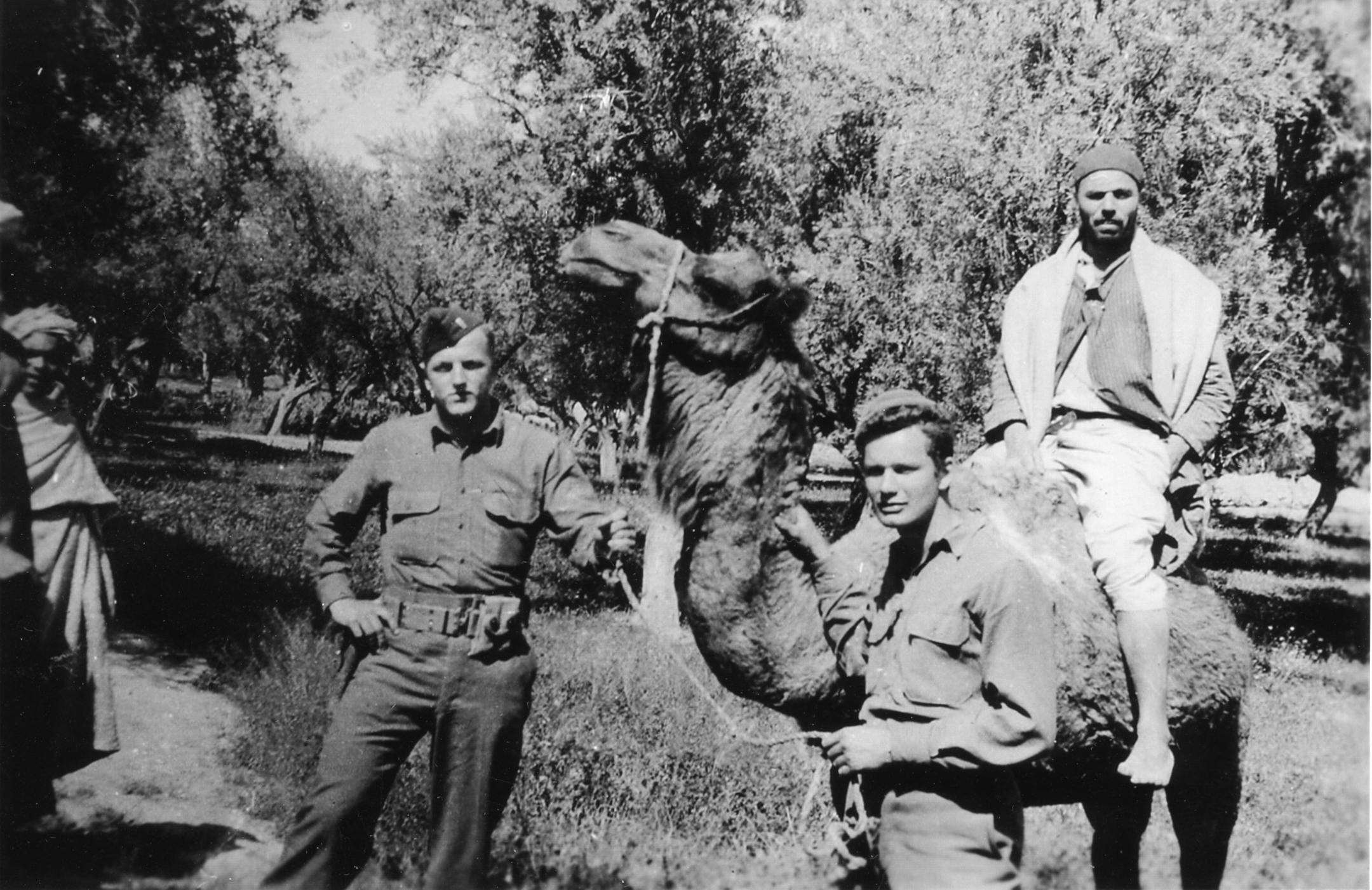
Frederick, for example, took part in the Rangers' first solo operation, a night raid to take out coastal artillery at Arzew, Algeria.
While recuperating from appendicitis, he went AWOL from a hospital in North Africa to rejoin his unit, which had spearheaded the invasion of Sicily. He and a few buddies hitched a ride on a boat to Sicily, commandeered a private car ("we borrowed it," says Frederick), and scoured the island to find their units. "The Army is still looking for me," he jokes.


